The machines that fill modern data centers are usually imagined through rows of metal cabinets, cables and blinking lights. But in Singapore, researchers are exploring a different possibility: computing systems that incorporate living biological cells. The concept sounds distant from the familiar image of a server, yet it is being developed as researchers search for new ways to process information.
Singapore's biological data center research uses cultured human brain cells as part of an experimental computing system. The work explores whether neurons can perform certain computational functions with much lower energy requirements than conventional silicon-based systems. (straitstimes.com)
The idea comes from a simple observation about the human brain. The brain performs enormous numbers of calculations while consuming relatively little energy compared with modern high-performance computers. Researchers are therefore asking whether some characteristics of biological neurons can be adapted to create new forms of computing.
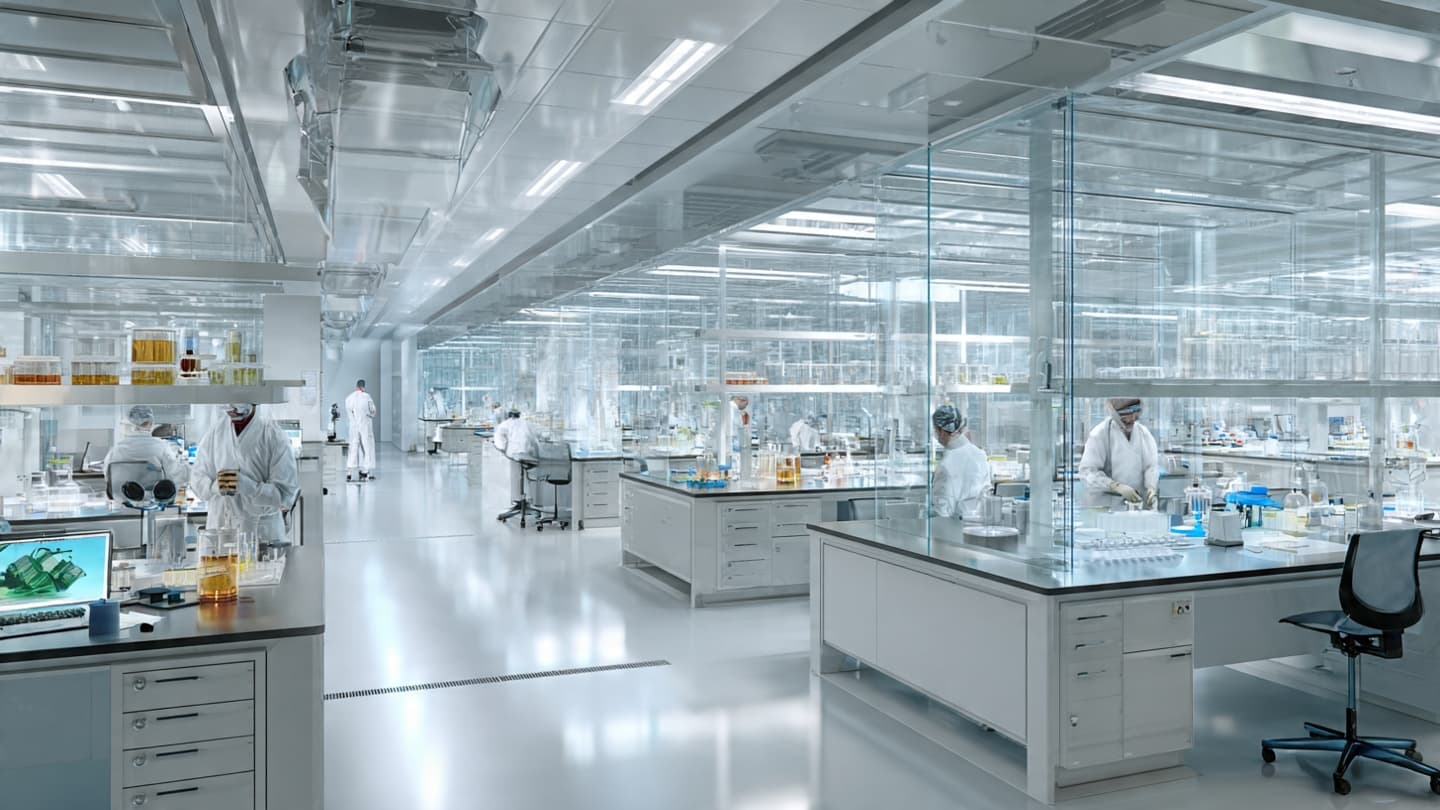
The system does not resemble a conventional data center in a literal sense. Instead of rows of silicon processors operating independently, biological computing experiments involve living cells maintained under carefully controlled laboratory conditions. Those cells need nutrients and a stable environment to remain viable.
That requirement gives the technology an unusual physical dimension. A conventional server needs electricity and cooling, while a biological system requires the conditions necessary to maintain living tissue. The research therefore combines computing, neuroscience, engineering and laboratory biology in a single experimental field.
The potential attraction is energy efficiency. Artificial intelligence systems are becoming increasingly demanding, with data centers consuming significant amounts of electricity for processing and cooling. If biological computing can eventually perform certain tasks with less energy, it could offer another path for specialized applications.
The research also raises questions about what computation itself might look like in the future. For decades, progress has largely followed improvements in silicon transistors, processor architecture and software. Biological computing introduces another possibility, where living systems become part of the hardware performing calculations.
Singapore has developed a strong research ecosystem around advanced technology and biomedical science, making it a natural environment for experiments that cross traditional disciplines. The biological computing work sits within a wider effort to explore technologies that could complement conventional computing rather than immediately replace it. (straitstimes.com)
For now, the concept remains firmly in the research stage. Many practical questions remain before biological computing could become a commercial technology, including scalability, reliability, maintenance and the types of calculations that living cells can perform effectively.
Still, the image is striking: a future computing laboratory in which servers may not be fed solely by electricity, but also by the biological conditions required to keep cells alive. Singapore's research offers an early glimpse of how computing might eventually move beyond the boundaries of silicon and into the territory of living systems.
AI Image Disclaimer The illustrations accompanying this article are AI-generated concepts and should not be interpreted as photographs of the actual biological computing research facility.
Sources The Straits Times National University of Singapore Singapore University of Technology and Design National Research Foundation Singapore
Published by Banx Network. This article is part of the Banx decentralized media programme, powered by the BXE token on the XRP Ledger.