
Key Highlights
- Ongoing military actions between Israel and Lebanon continue alongside diplomatic discussions.
- Hezbollah's influence remains central to the security and diplomatic landscape in the region.
- The situation reflects a broader pattern of managed tension rather than outright conflict.
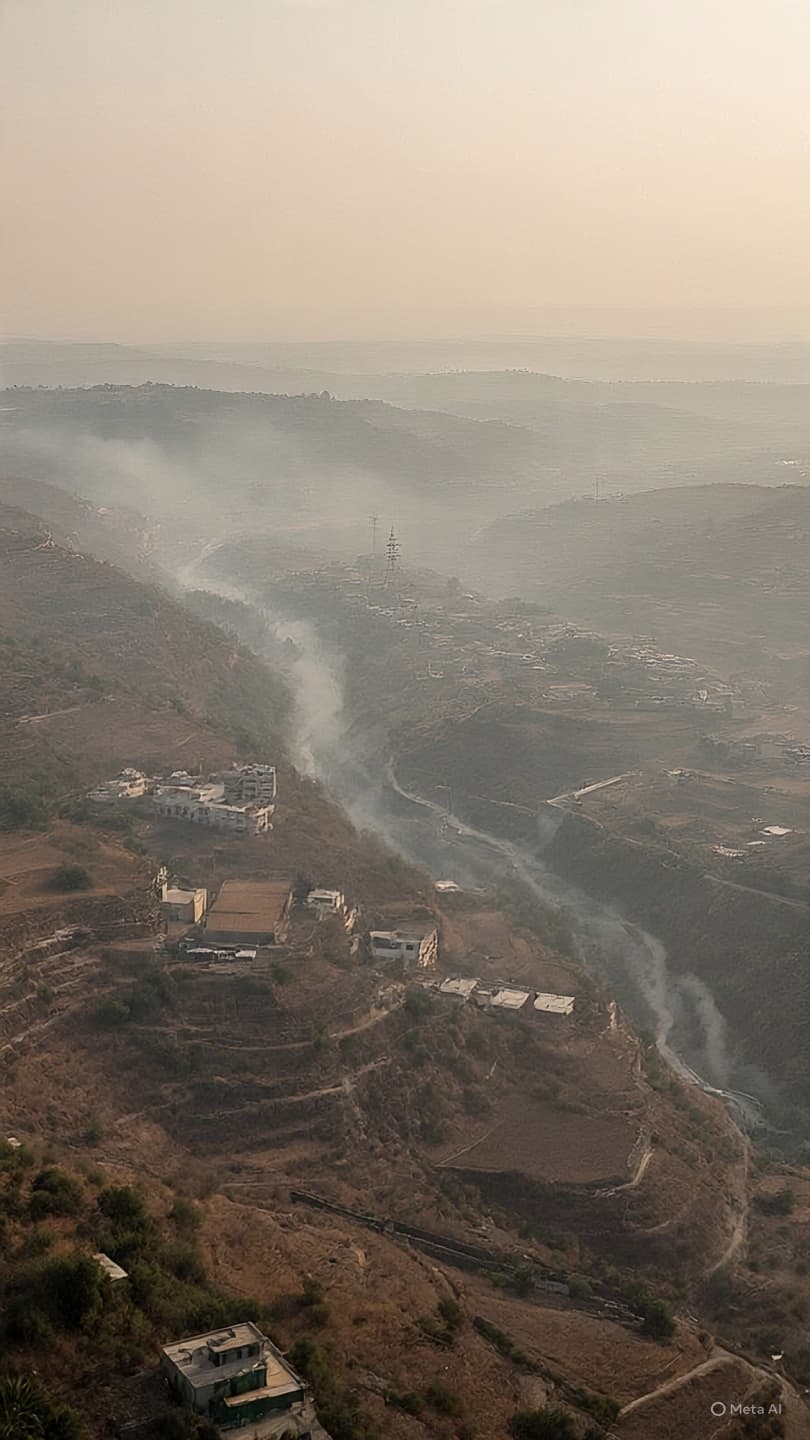
In the realm of international relations, moments arise when military actions and diplomatic negotiations coexist, creating a complex rhythm that defines the current state of affairs. This is particularly evident in the ongoing tensions between Israel and Lebanon, where recent developments indicate a dual approach of military engagement and diplomatic overtures. Reports suggest that Israel has expressed a willingness to engage in renewed talks with Lebanon, even as military operations along the border persist, highlighting the intricate balance of conflict and diplomacy.
At the heart of this dynamic is Hezbollah, the militant group based in southern Lebanon, which plays a pivotal role in shaping both the security landscape and the diplomatic horizon. The exchanges along the Israel-Lebanon border have been characterized by a pattern of intermittent strikes and responses, creating a situation where silence is a rare commodity. In this context, the notion of talks is not merely a conclusion but rather an additional layer to an already complex and multifaceted situation.
Diplomatic channels indicate that discussions surrounding ceasefire frameworks and border stabilization measures are being explored. However, Israeli military operations targeting Hezbollah-linked positions have not ceased, reflecting a simultaneous approach of negotiation and military pressure. This duality is emblematic of a broader regional trend where military and diplomatic efforts run parallel, rather than sequentially, complicating the path toward resolution.
Observers note that this state of managed tension is not merely a prelude to conflict but a defining characteristic of the current geopolitical landscape. Each side interprets the ongoing military actions through different lenses—whether as leverage, deterrence, or a necessary response to perceived threats. Meanwhile, the diplomatic efforts aim to carve out a space for temporary restraint, with the hope that such measures could evolve into a more stable and lasting peace.
The wider regional context, particularly the influence of Iran, adds another layer of complexity to the situation. Conflicts in this area rarely remain confined to bilateral disputes; they often extend through alliances and proxy networks, creating a web of interconnected pressures. As a result, developments between Israel and Lebanon are frequently interpreted not only in local terms but also as part of a larger strategic framework involving multiple actors and interests.
On the ground, the ongoing military actions have tangible impacts on civilian life. Communities in southern Lebanon experience cycles of disruption that affect daily routines without completely displacing them, fostering a sense of suspended normalcy. Similarly, in northern Israel, residents live under the shadow of potential escalation, reinforcing a shared experience of instability. Despite these challenges, diplomatic engagement has not ceased; rather, it appears to be evolving, focusing less on immediate resolutions and more on containment and risk management.
The willingness to engage in talks, even amid ongoing military actions, suggests a desire to prevent escalation from reaching critical thresholds that could lead to broader conflict. However, the gap between diplomatic rhetoric and military reality remains significant. Ceasefire discussions necessitate a mutual understanding of timing and conditions, while the continuation of strikes indicates that such alignment has yet to be achieved. This precarious balance defines the current moment, characterized by a lack of clarity and a persistent state of uncertainty.
As the situation continues to evolve, the region finds itself navigating a complex landscape where negotiations and military operations coexist. The present moment is marked by a duality that reflects the challenges of achieving lasting peace in a context defined by overlapping tensions and competing interests. In this intricate web of diplomacy and conflict, the potential for resolution remains elusive, as both sides grapple with the realities of their respective positions.
Published by Banx Network. This article is part of the Banx decentralized media programme, powered by the BXE token on the XRP Ledger.



