Manufacturing decisions often reveal themselves slowly, long before they are announced. They appear in feasibility studies, labor talks, and revised timelines, shaped by forces that stretch well beyond a single factory. For General Motors, one such decision has now surfaced into view: the production of a Buick compact SUV will move from China back to the United States.
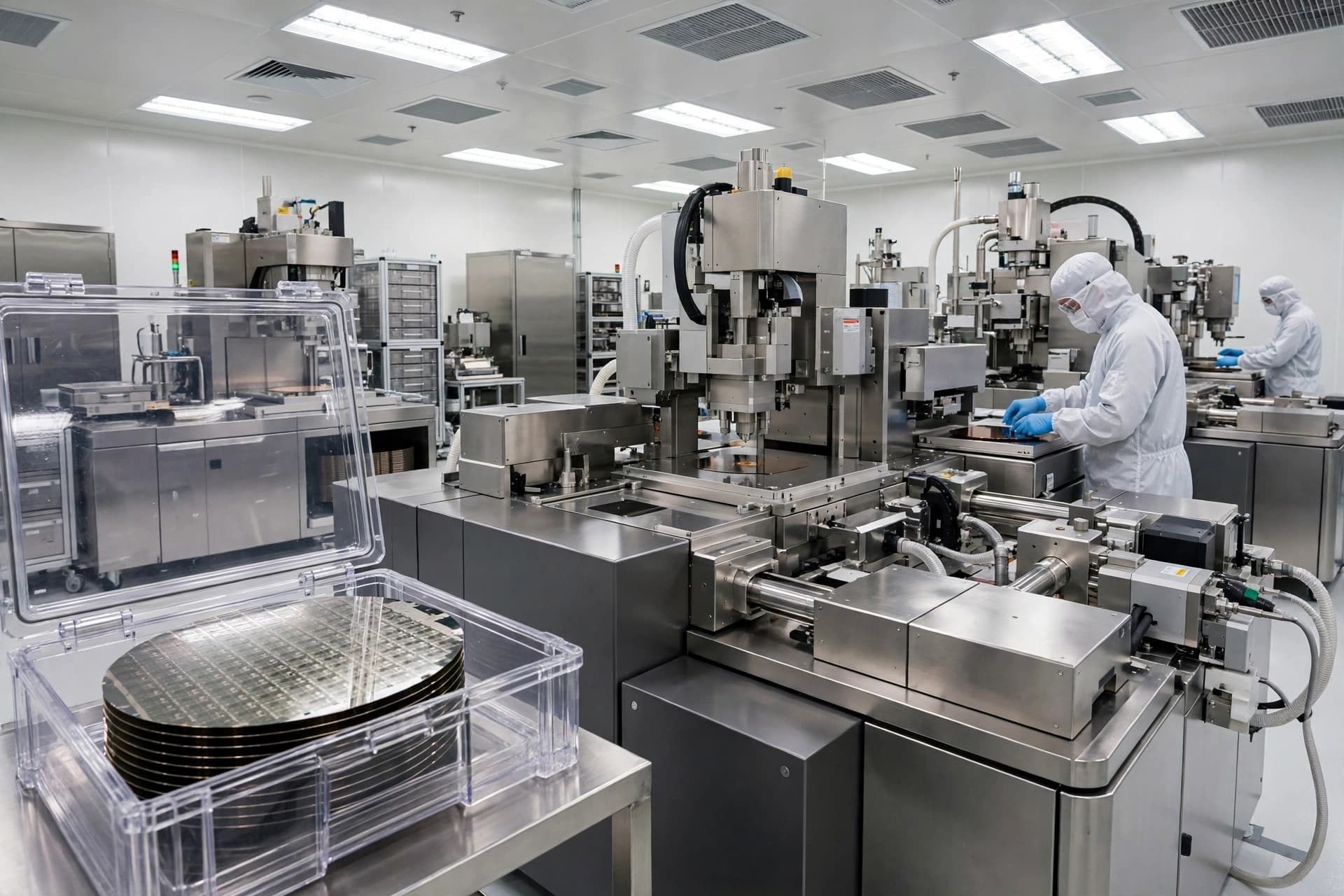
The shift reflects a broader recalibration underway in the global auto industry, where efficiency alone no longer defines success. For years, China served as both a vast consumer market and a competitive manufacturing base for global automakers. But rising geopolitical tension, trade uncertainty, and a renewed focus on domestic supply chains have begun to alter those calculations.
GM’s decision to relocate production is not framed as a retreat from China, where the company maintains significant operations and partnerships. Instead, it signals a rebalancing — an effort to align manufacturing more closely with the market it serves, while reducing exposure to cross-border friction that has grown harder to predict.
Buick occupies a particular space in GM’s portfolio. Long associated with American identity yet deeply successful in China, the brand has often bridged two industrial worlds. Bringing production of a compact SUV back to U.S. soil narrows that distance, grounding the vehicle more firmly in the market where it is sold.
The move also speaks to policy. Incentives for domestic manufacturing, scrutiny over imported vehicles, and pressure to create industrial jobs at home have reshaped corporate planning. Automakers are increasingly weighing political resilience alongside cost, treating location as a strategic asset rather than a footnote.
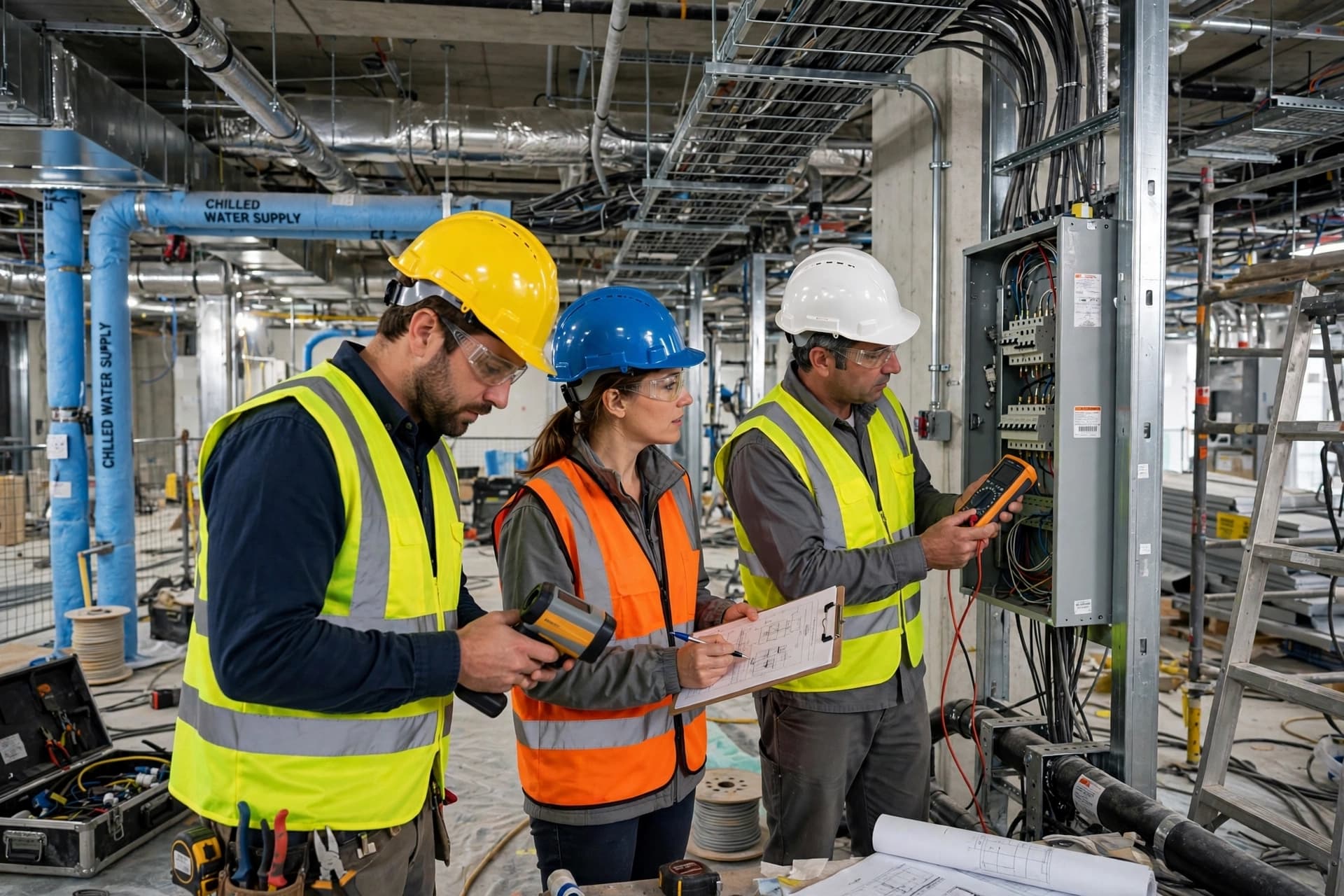
For workers and local economies, the impact will be tangible, though not immediate. Production shifts take time, requiring retooling, training, and coordination across suppliers. The promise lies not just in jobs, but in rebuilding familiarity with manufacturing processes that had drifted offshore.
Consumers, meanwhile, are unlikely to notice dramatic changes in the vehicle itself. The SUV will still be designed to compete in a crowded segment defined by efficiency, technology, and price. What changes is the story behind it — one that now passes through American plants rather than trans-Pacific shipping lanes.
GM has not presented the decision as ideological. Yet in a moment when trade and politics increasingly intersect, even pragmatic choices carry symbolic weight. A car assembled closer to home becomes a marker of shifting priorities, reflecting how global strategies adapt to a less predictable world.
In the end, this is not just about one model or one brand. It is about how companies navigate an era where geography matters again, and where the path from factory floor to showroom is shaped as much by politics as by demand.
AI Image Disclaimer Visuals are AI-generated and serve as conceptual representations.
Sources (names only) General Motors Buick Reuters Bloomberg Automotive News
Published by Banx Network. This article is part of the Banx decentralized media programme, powered by the BXE token on the XRP Ledger.