
Key Highlights
- Reports:A couple reported a hazardous branch three times over two weeks.
- Local Response:Authorities acknowledged the issue but have yet to act.
- Civic Life:The situation reflects broader themes of public safety and responsibility.
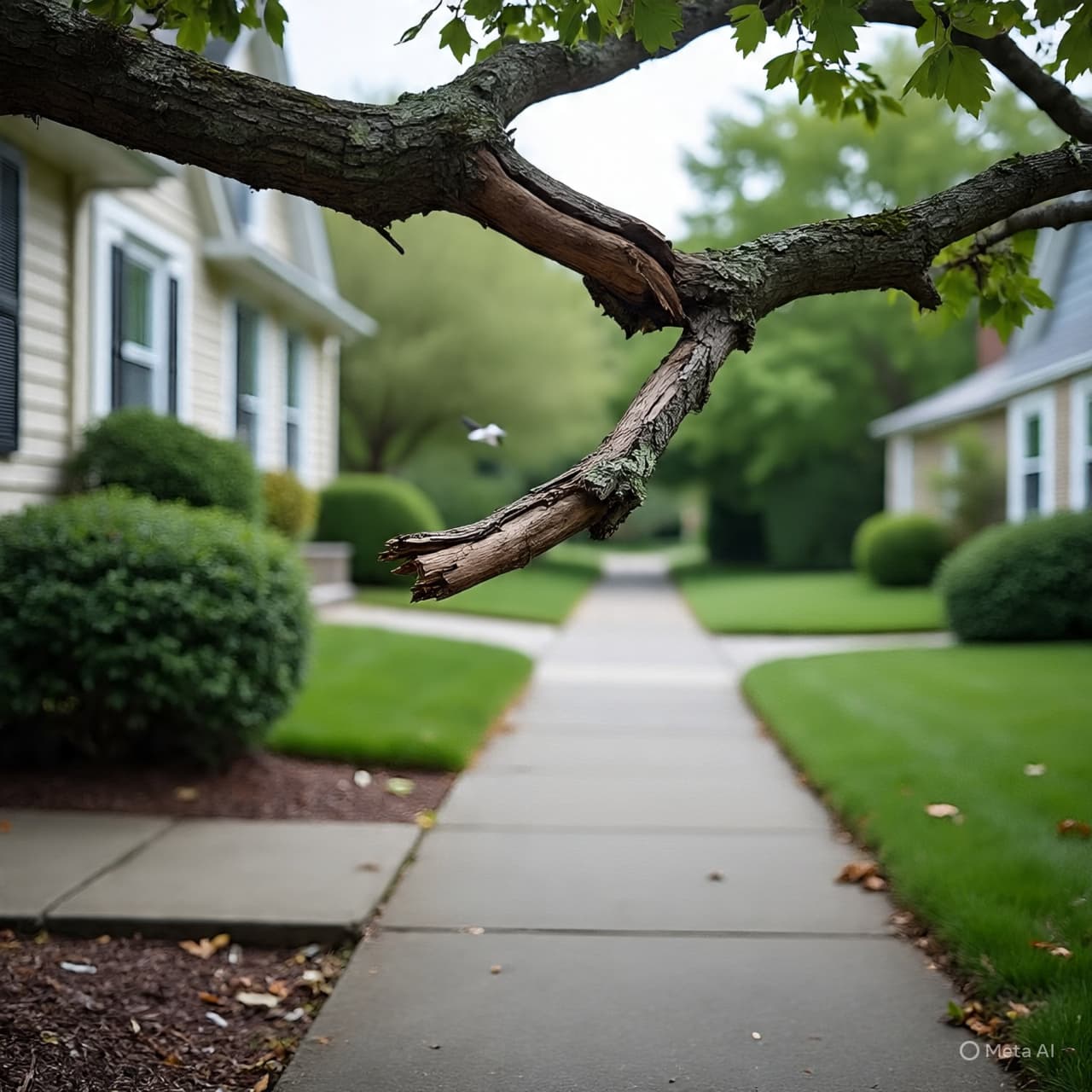
The presence of a broken branch hanging precariously above a public path serves as a stark reminder of the complexities of civic responsibility. For one couple, what began as a simple observation of a potential hazard has evolved into a prolonged wait for action. Despite reporting the issue to local authorities three times over the span of two weeks, the branch remains untouched, raising questions about the efficacy of public safety systems.
Initially, the couple assumed that their reports would prompt a swift response from the relevant agencies. However, as days turned into weeks without any visible change, their optimism waned. The branch, once just an object of concern, transformed into a symbol of inaction and delay. This situation illustrates a common experience in civic life, where the expectation of timely responses often clashes with the reality of bureaucratic processes.
In many communities, public safety is managed by a network of agencies and contractors, each with its own protocols and timelines. When a report is filed, it typically goes through a series of assessments and prioritizations before any action is taken. This system, while designed to ensure thoroughness, can sometimes lead to frustrating delays for citizens who expect immediate results. The couple's experience highlights this disconnect, as they grapple with the uncertainty of when, or if, their concerns will be addressed.
As the couple continues to wait, the branch remains a constant presence, shaped by the elements yet unchanged in its precarious position. Passersby may glance up at it, perhaps feeling a moment of concern, but the risk remains largely theoretical. The longer the branch hangs, the more it becomes a part of the landscape, a reminder of the potential dangers that can linger unnoticed in everyday life.
The tension in such situations is palpable. While responsibility for addressing the hazard exists, it is often diffused across multiple layers of governance that are not immediately visible to the public. For those waiting for action, the distinction between responsibility and inaction becomes increasingly irrelevant. What matters most is the tangible presence of the hazard above them, a broken limb that continues to loom without resolution.
As the days pass, the couple's experience serves as a microcosm of broader issues within civic engagement and public safety. Each report they filed was an attempt to bridge the gap between expectation and reality, yet the lack of visible change has left them questioning the effectiveness of the systems in place. The waiting game continues, marked not by urgency but by the slow passage of time, as they wonder when the visible world will finally reflect the reports they have made.
In conclusion, the couple's ongoing struggle with the hazardous branch underscores the importance of civic responsibility and the need for timely action in addressing public safety concerns. As local authorities acknowledge the issue, the hope remains that action will soon follow, bringing resolution to a situation that has lingered far too long.
Published by Banx Network. This article is part of the Banx decentralized media programme, powered by the BXE token on the XRP Ledger.



