

Key Highlights
- Modern vehicles function as connected computers, collecting data.
- Privacy concerns arise from data collection practices.
- Experts recommend reviewing privacy settings to enhance security.
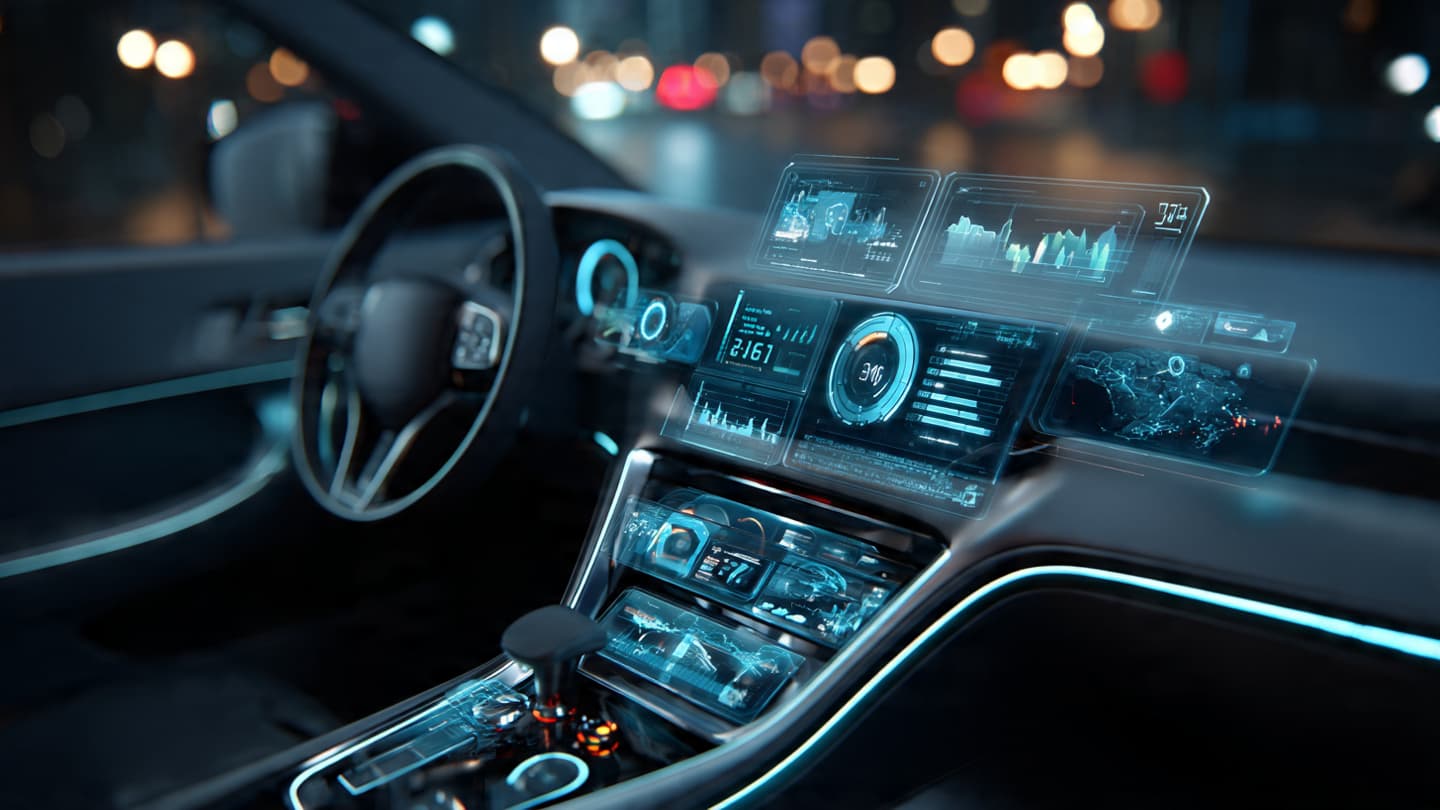
As technology advances, modern cars are increasingly resembling sophisticated computers on wheels. Equipped with sensors, memory, and a plethora of connected systems, these vehicles generate and transmit vast amounts of data during every journey. This evolution raises significant questions about privacy and data security, as drivers navigate a landscape where their movements and behaviors are constantly monitored.
Today’s vehicles are designed to enhance convenience and safety through features such as navigation, entertainment, and diagnostics. However, these systems also collect sensitive information, including location history, driving patterns, and device connections. The data generated can be invaluable for manufacturers and service providers, but it also poses risks if mishandled or exploited.
Cybersecurity experts emphasize that the primary concern is not necessarily intentional surveillance but rather the potential misuse of the data collected by complex automotive software ecosystems. These systems often involve multiple stakeholders, including car manufacturers, third-party service providers, and mobile app developers, all of whom may have access to the data generated by the vehicle.
While some data is utilized to enhance vehicle performance—such as optimizing fuel efficiency or providing predictive maintenance alerts—there is a growing concern about unauthorized access to this information. If not properly secured, sensitive data streams can be vulnerable to exploitation, leading to privacy breaches that could affect drivers and passengers alike.
To mitigate these risks, experts recommend that drivers take proactive steps to review and adjust privacy settings within their vehicle's infotainment systems and connected mobile applications. Disabling unnecessary data-sharing features and limiting app permissions can significantly reduce exposure to potential threats while maintaining essential vehicle functionality.
Understanding software updates is another crucial aspect of vehicle cybersecurity. While updates are often intended to improve security and performance, they can also introduce new data-sharing capabilities. Therefore, it is essential for users to stay informed about changes in terms of service and privacy policies associated with their vehicles.
Additionally, cybersecurity specialists stress the importance of securing connected accounts linked to vehicles, such as mobile apps used for remote access or tracking. Utilizing strong, unique passwords and avoiding password reuse can help protect against vulnerabilities in otherwise secure systems.
As vehicles continue to evolve into digitally connected platforms, driver awareness becomes a vital tool for ensuring safety and privacy. The conversation surrounding automotive technology is not about rejecting innovation but rather about engaging with it in a more conscious and informed manner. In this rapidly changing landscape, privacy is becoming an integral part of the driving experience, shaped by both technological advancements and the choices made by users behind the wheel.
Published by Banx Network. This article is part of the Banx decentralized media programme, powered by the BXE token on the XRP Ledger.




