Article In the world of performance cars, certain engine names evoke instant recognition — Ferrari V12s, Porsche flat-sixes, Honda VTEC tuners. But beneath a handful of notable machines beats the work of a company better known for motorcycles, pianos, and musical instruments: Yamaha. Though its automotive footprint may seem obscure compared to household brands, Yamaha’s engineering has quietly shaped the character of several remarkable performance cars over the decades.
At the pinnacle of this story is the Lexus LFA, a supercar born of Japanese ambition and precision. Its remarkable 4.8-liter V10 — code-named the 1LR-GUE — was engineered and hand-assembled by Yamaha’s craftsmen, producing 552 horsepower and singing its way to 8,700 rpm with an intoxicating acoustic character. The engine’s lightweight materials and sophisticated design helped make the LFA one of the most emotionally resonant exotics of its era.
A very different sort of performance came from Volvo’s early-2000s V8, which marked the Swedish brand’s first V8 offering. Designed with Yamaha’s engineering expertise to fit transversely in the XC90 SUV and later the S80 sedan, this 4.4-liter V8 delivered strong torque and refinement — and showed that Yamaha’s touch wasn’t limited to sporting cars alone.
A British twist on that same Volvo-era V8 powered the Noble M600, a lightweight mid-engine supercar that harnessed twin-turbocharged Yamaha-built V8 power to achieve stunning performance figures. Though rare and niche, the M600 demonstrated how Yamaha-made engines could thrive even in a pure driver’s car context.
Long before these modern marvels came the Ford Taurus SHO, a surprisingly sporty sedan from the late 1980s and early 1990s. Its “Super High Output” V6 was heavily reworked and manufactured by Yamaha from the base Ford Vulcan engine, producing a high-revving 24-valve unit that brought unexpected dynamism to a family-sized sedan.
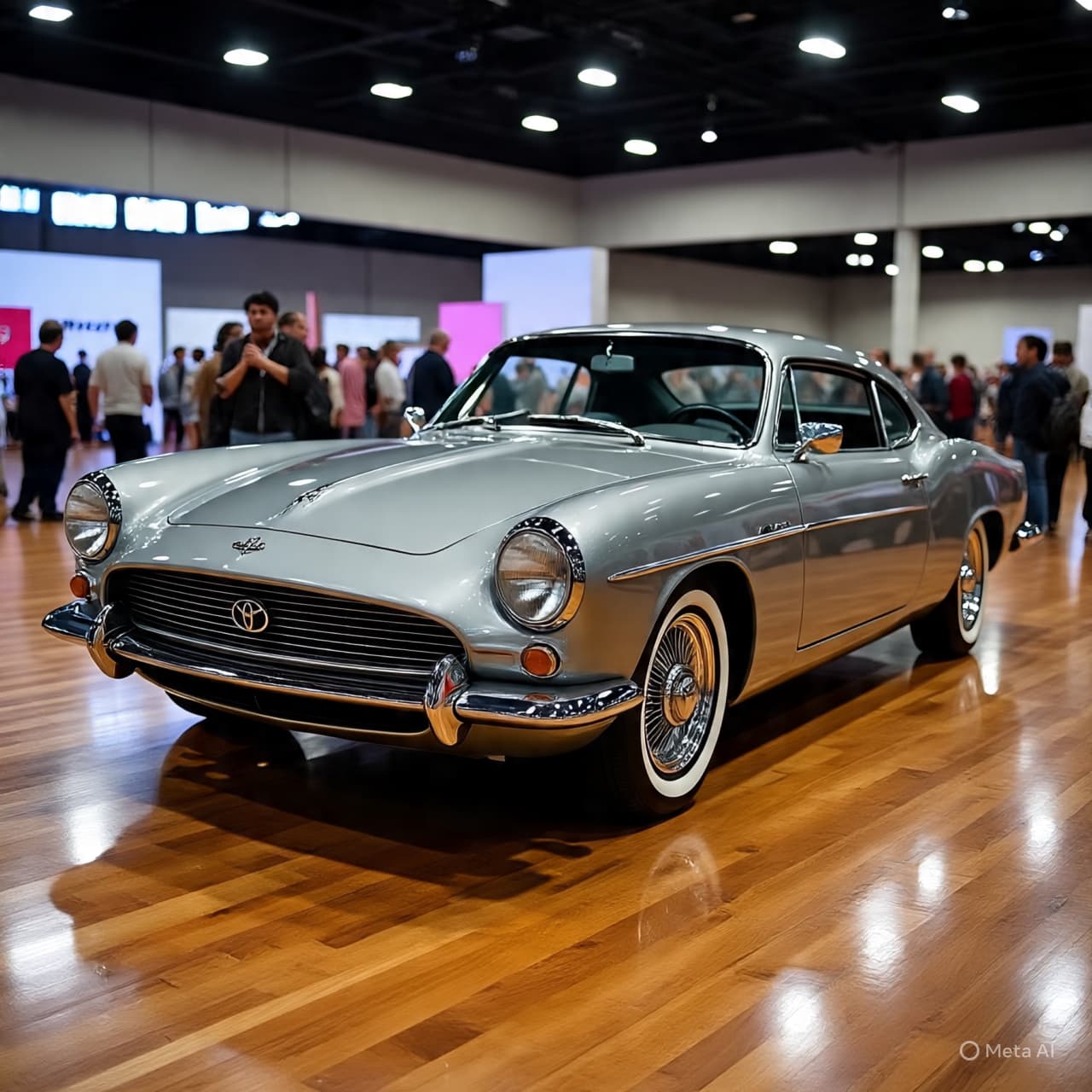
Going further back into Japan’s automotive infancy, the Toyota 2000GT stands as a true classic. Co-developed and produced with Yamaha’s help, this elegant grand tourer helped establish Japan’s credibility in the world of sports cars. Its dual-overhead-cam straight-six was a technical standout in the 1960s and played a role in shaping Toyota’s performance identity.
And woven through much of this history is the Toyota 2ZZ-GE engine (designed with Yamaha’s assistance), which powered lightweight performance cars like the Lotus Exige — giving it punchy, high-revving character that lent itself well to that car’s spirited driving focus.
Each of these cars reflects a different chapter in Yamaha’s automotive journey. From exotic supercars and refined sedans to classic GTs and sporty coupes, the influence of Yamaha’s engine work demonstrates that performance isn’t just about branding — sometimes it’s about the quiet virtuoso behind the scenes.
AI Image Disclaimer (Rotated Wording) Visuals are created with AI tools and are not real photographs.
Sources (Media Names Only) Jalopnik Yahoo Autos Autoevolution SlashGear Wikipedia (for car models)
Published by Banx Network. This article is part of the Banx decentralized media programme, powered by the BXE token on the XRP Ledger.