
Key Highlights
- Saudi Defense Minister warns U.S. officials about Iran's potential emboldenment.
- Private discussions reveal tensions between U.S. and Saudi public stances.
- Gulf allies show reluctance to support U.S. military action against Iran.
Saudi Arabia’s Defense Minister, Prince Khalid bin Salman, has issued a stark warning to U.S. officials regarding the potential consequences of inaction against Iran. In private discussions held in Washington, he cautioned that if President Donald Trump does not follow through on his threats toward Tehran, the Iranian government could become emboldened, thereby increasing its influence in the region. This insight into the behind-the-scenes dynamics of U.S.-Middle East policy highlights the complexities of diplomatic relations amid escalating tensions.
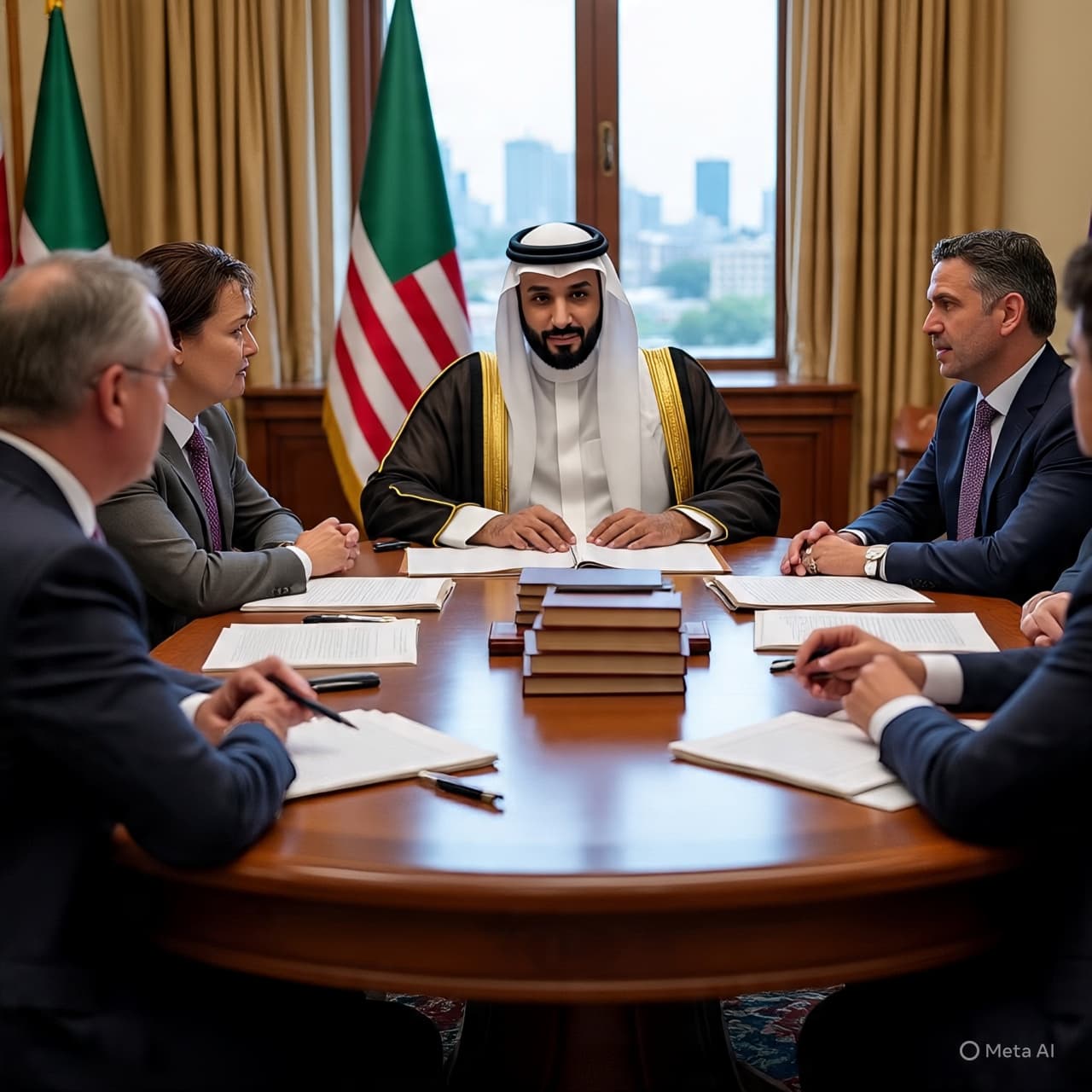
During meetings with key U.S. policymakers, including Secretary of State Marco Rubio and Defense Secretary Pete Hegseth, Prince Khalid expressed his concerns about the implications of perceived weakness. According to multiple sources present, he emphasized that failing to take military action after weeks of threats would send a message of vulnerability, potentially strengthening Iran’s regional ambitions and capabilities.
This private counsel starkly contrasts with Saudi Arabia’s public stance, which has recently called for restraint and warned against military action. Crown Prince Mohammed bin Salman has publicly advocated for caution, fearing that a U.S. strike could lead to broader regional instability. This duality in messaging reflects the delicate position Saudi Arabia occupies as it navigates the escalating tensions between the U.S. and Iran.
While Riyadh and its Gulf partners are wary of being drawn into armed conflict, there is a growing concern among some Saudi officials that inaction could undermine U.S. credibility in the region. Gulf states have long accused Iran of supporting proxy forces across the Middle East, and the fear is that a lack of decisive action could embolden Tehran further.
President Trump has responded to these tensions by increasing U.S. military presence in the region and issuing stern warnings to Iran regarding its nuclear ambitions and military activities. Gulf Arab states, including Saudi Arabia, have publicly urged both the U.S. and Iran to exercise restraint, emphasizing that any escalation could destabilize the region and disrupt global oil markets.
Despite the rising tensions, key Gulf allies have been cautious about offering direct logistical support for potential U.S. military action against Iran. Reports indicate that several regional partners have declined to allow the use of their territory or airspace for such operations, complicating U.S. strategic planning and highlighting the challenges of allied alignment in this sensitive geopolitical landscape.
In a parallel development, diplomatic signals from Tehran suggest that Iran is open to resuming negotiations with the U.S. under what it describes as “fair conditions.” However, Iranian officials have made it clear that they will not compromise on issues related to their defense and missile programs. This diplomatic overture underscores the dual pressures of potential military confrontation and the ongoing push for negotiation, adding another layer of complexity to the situation.
The evolving interplay between private diplomatic counsel and public messaging illustrates the intricate calculations facing Riyadh, Washington, and Tehran. As concerns about regional influence, national security, and geopolitical standing converge, the stakes remain high in one of the most sensitive flashpoints in global affairs.
Published by Banx Network. This article is part of the Banx decentralized media programme, powered by the BXE token on the XRP Ledger.



