Expression has always searched for new instruments. From charcoal on stone to strings drawn across wood, each era discovers its own tools for turning feeling into form. In the digital age, that search has moved quietly into code—into systems that listen, learn, and now, compose.
This week, announced that can now create music, expanding the capabilities of its flagship AI model beyond text and images into the realm of sound. The update positions Gemini not only as a conversational assistant or visual generator, but as a creative collaborator capable of producing original musical pieces from user prompts.
The development reflects a broader arc in generative AI. Tools that once focused on written responses have steadily absorbed new modalities—first images, then video, and increasingly, audio. With music generation integrated into Gemini, users can describe a mood, genre, or theme and receive AI-composed tracks designed to match that vision. Whether it is a calm instrumental backdrop or an upbeat electronic rhythm, the system translates language into layered sound.
Behind the scenes, such models are trained on extensive datasets of musical structure and composition. They learn patterns of harmony, rhythm, and instrumentation, identifying how melodies evolve and how tension resolves. The result is not a replication of existing songs, but the generation of new arrangements shaped by statistical understanding of musical form.
For creators, the feature opens practical possibilities. Content makers seeking background tracks, educators illustrating musical styles, or hobbyists experimenting with composition may find the tool a starting point rather than a finished product. In that sense, Gemini’s music function resembles a digital sketchpad—offering drafts that can be refined, rearranged, or reimagined.
The expansion also invites thoughtful consideration. Music carries emotional weight and cultural identity. As AI systems enter that domain, questions about originality, attribution, and artistic integrity follow naturally. Technology companies have emphasized safeguards and responsible development, underscoring the importance of preventing misuse while enabling innovation.
Yet there is a certain continuity in this evolution. Instruments themselves were once new technologies. The piano reshaped composition; synthesizers transformed popular music. Each innovation initially seemed mechanical, even impersonal, until artists wove it into human expression. AI-generated music may follow a similar path—less a replacement for musicianship and more an additional instrument in a growing ensemble.
For Google, integrating music creation into Gemini strengthens its vision of a multimodal AI assistant capable of supporting diverse creative tasks within a single platform. It aligns with a competitive landscape where companies race to unify text, image, audio, and video generation under cohesive systems.
In straightforward terms, Google has added music generation capabilities to Gemini, allowing users to create original audio compositions through prompts. The feature expands Gemini’s creative toolkit as generative AI continues to evolve across media formats.
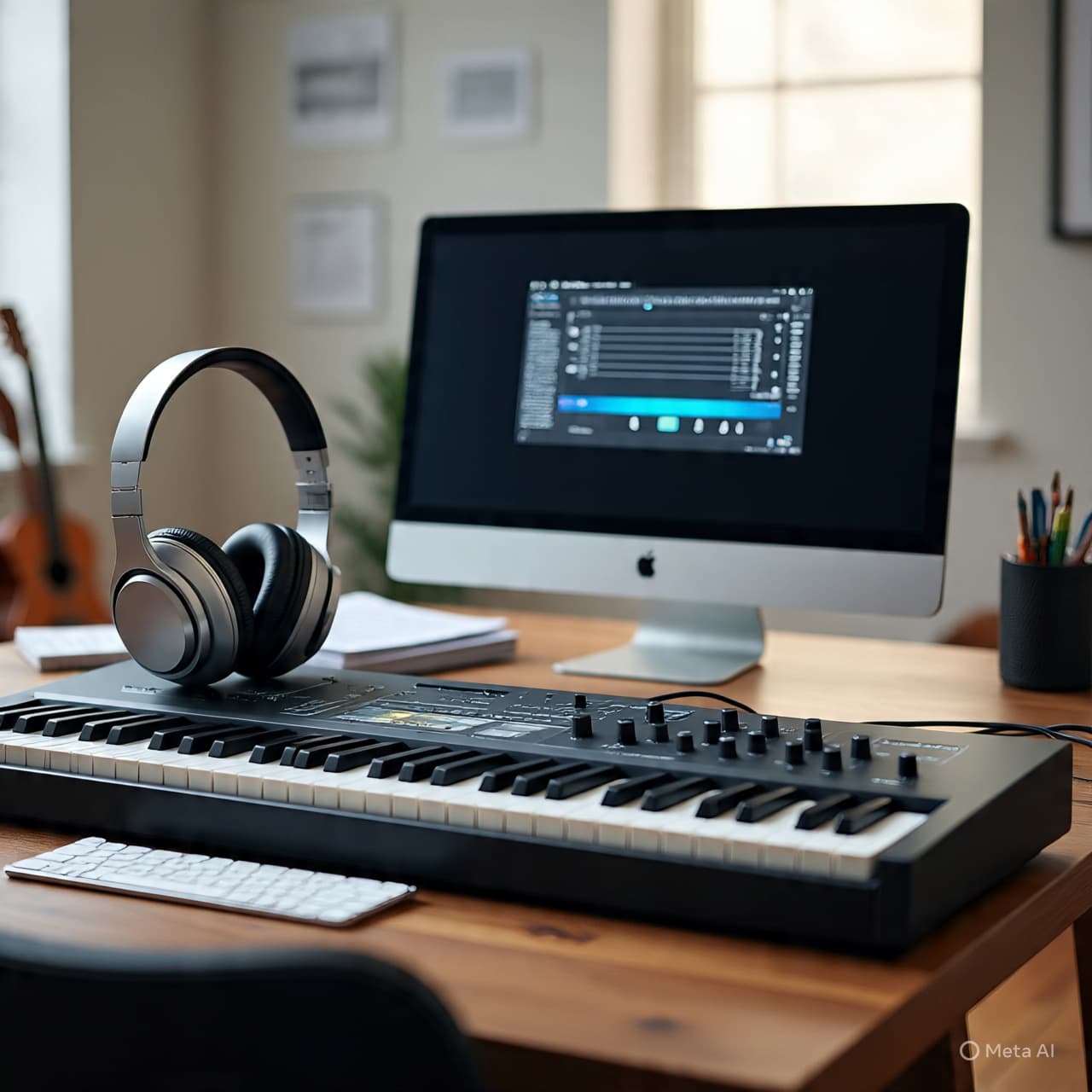
AI Image Disclaimer Visuals are created with AI tools and are not real photographs.
Sources (Media Names Only)
Reuters TechCrunch The Verge VentureBeat Engadget
Published by Banx Network. This article is part of the Banx decentralized media programme, powered by the BXE token on the XRP Ledger.

.jpg&w=3840&q=75 "The Artemis Revolution: How NASA Plans to Build Humanity's Future on the Moon")