In the quiet cadence of diplomatic exchange — words can be like unexpected gusts that unsettle even the calmest room. In Jerusalem last week, what began as a conversation between two commentators rippled outward, touching capitals from Cairo to Amman, stirring echoing statements and sharp condemnations. When a representative of one nation speaks in terms that brush against centuries of history and complex law, the reverberations rarely remain contained. In this instance, a casual invocation of ancient verses and modern geopolitics triggered a storm of reaction across the Middle East and beyond.
During a televised interview with conservative commentator Tucker Carlson, U.S. Ambassador to Israel Mike Huckabee made a statement that quickly became the center of controversy: he suggested that Israel — based on his interpretation of biblical passages about land promised to the descendants of Abraham — could have a right to “much” of the Middle East, stretching from the Nile River in Egypt to the Euphrates in Iraq. When pressed to clarify, Huckabee said “it would be fine if they took it all,” though he added that Israel was not actively seeking such expansion and primarily wanted security in the territory it currently controls.
The comments almost immediately drew rebukes from multiple Arab and Muslim states. Egypt and Jordan’s foreign ministries criticized the remarks as violations of international law that infringed on the sovereignty of neighboring states and ran counter to established diplomatic norms. Jordan’s Foreign Ministry explicitly described the ambassador’s phrasing as “reckless and provocative,” and emphasized that a just peace in the region rests on ending occupation and achieving a two-state solution — a path it reiterated as the only viable route forward under international law.
Other regional and intergovernmental groups joined in disapproval. The Organization of Islamic Cooperation and the League of Arab States framed the comments as inflammatory and discordant with the official stance of the United States, which in recent policy has rejected unilateral annexation of occupied territories such as the West Bank.
Huckabee’s reference to biblical territory touched on deeply sensitive historical and religious narratives that influence regional politics, but also highlight the gulf between ancient texts and 21st-century international legal frameworks. Since its establishment in 1948, Israel’s borders have never been universally recognized, and disputes over land and sovereignty have fueled decades of conflict.
In his remarks, Huckabee also reiterated long-standing opposition to a two-state solution, reflecting a perspective that has drawn criticism from supporters of Palestinian statehood and many foreign policy analysts alike. Some observers saw the exchange as emblematic of broader tensions within U.S. foreign policy and the intersection of personal beliefs with diplomatic responsibilities. The U.S. State Department did not immediately issue a formal clarification of Huckabee’s comments, leaving ambiguity about whether his views represent an official shift in U.S. policy.
As the controversy unfolds, the ambassador’s words have underscored longstanding sensitivities around land, identity, and governance in the Middle East. Governments and civil institutions in the region have reaffirmed commitments to established international law and diplomatic norms, even as debates continue over the future of contested territories. While differing perspectives remain a feature of global discourse, officials on all sides appear intent on navigating responses without allowing the episode to ignite broader diplomatic ruptures.
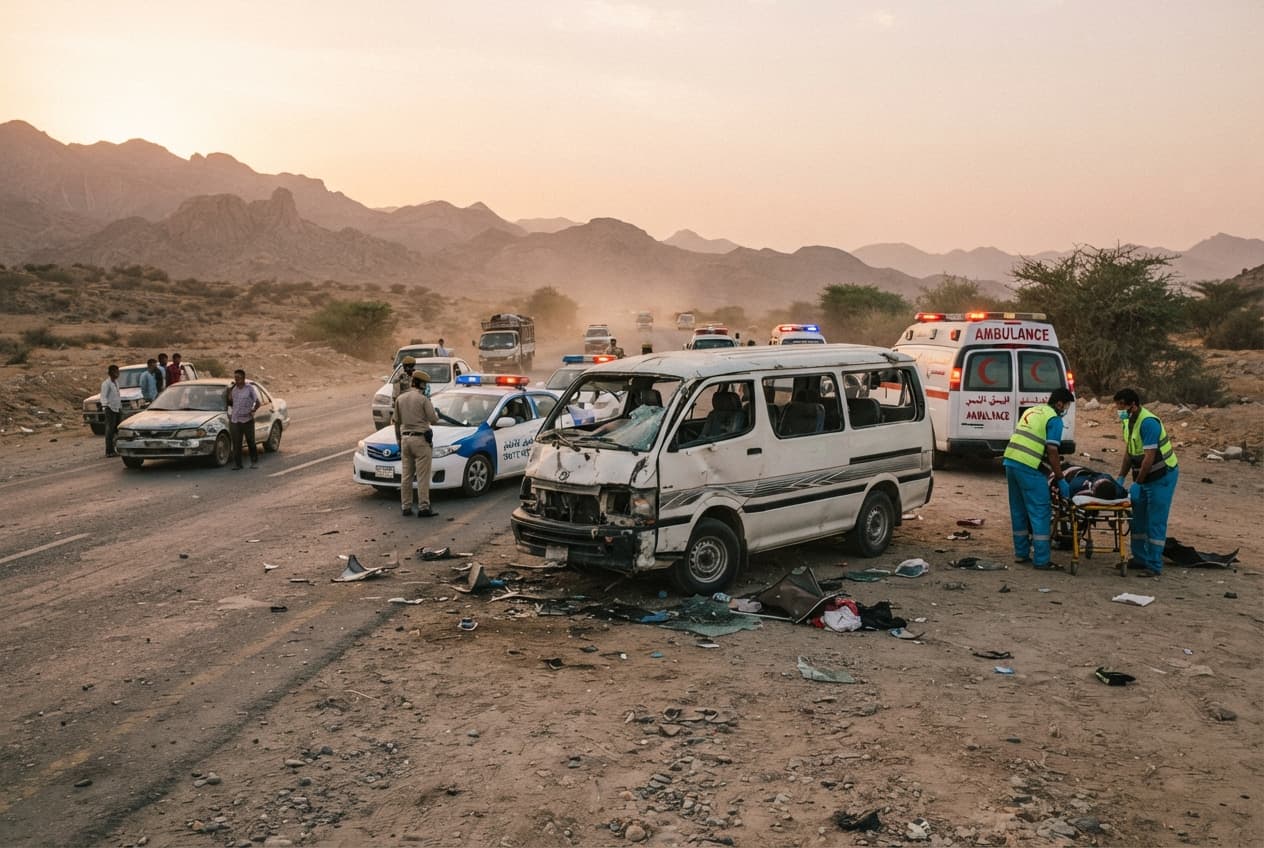
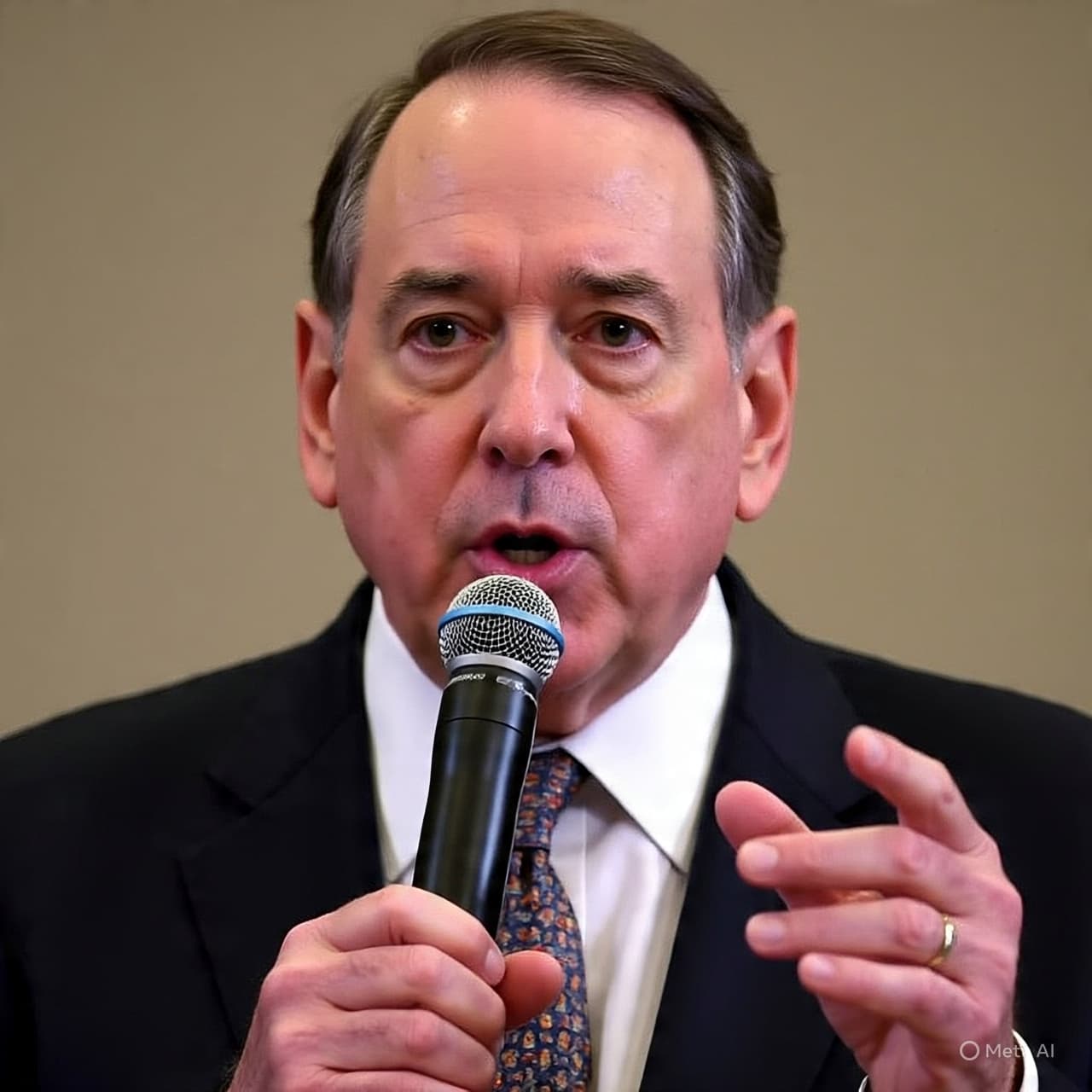
AI Image Disclaimer “Visuals are created with AI tools and are not real photographs, intended for concept representation only.”
Sources Associated Press, Al Jazeera, Axios, Anadolu Agency / Xinhua.
Published by Banx Network. This article is part of the Banx decentralized media programme, powered by the BXE token on the XRP Ledger.