
Key Highlights
- Diplomatic negotiations with Iran are underway amid military mobilization.
- The U.S. has deployed troops, signaling readiness and strategic balance.
- Historical context reveals a complex relationship between the U.S. and Iran.
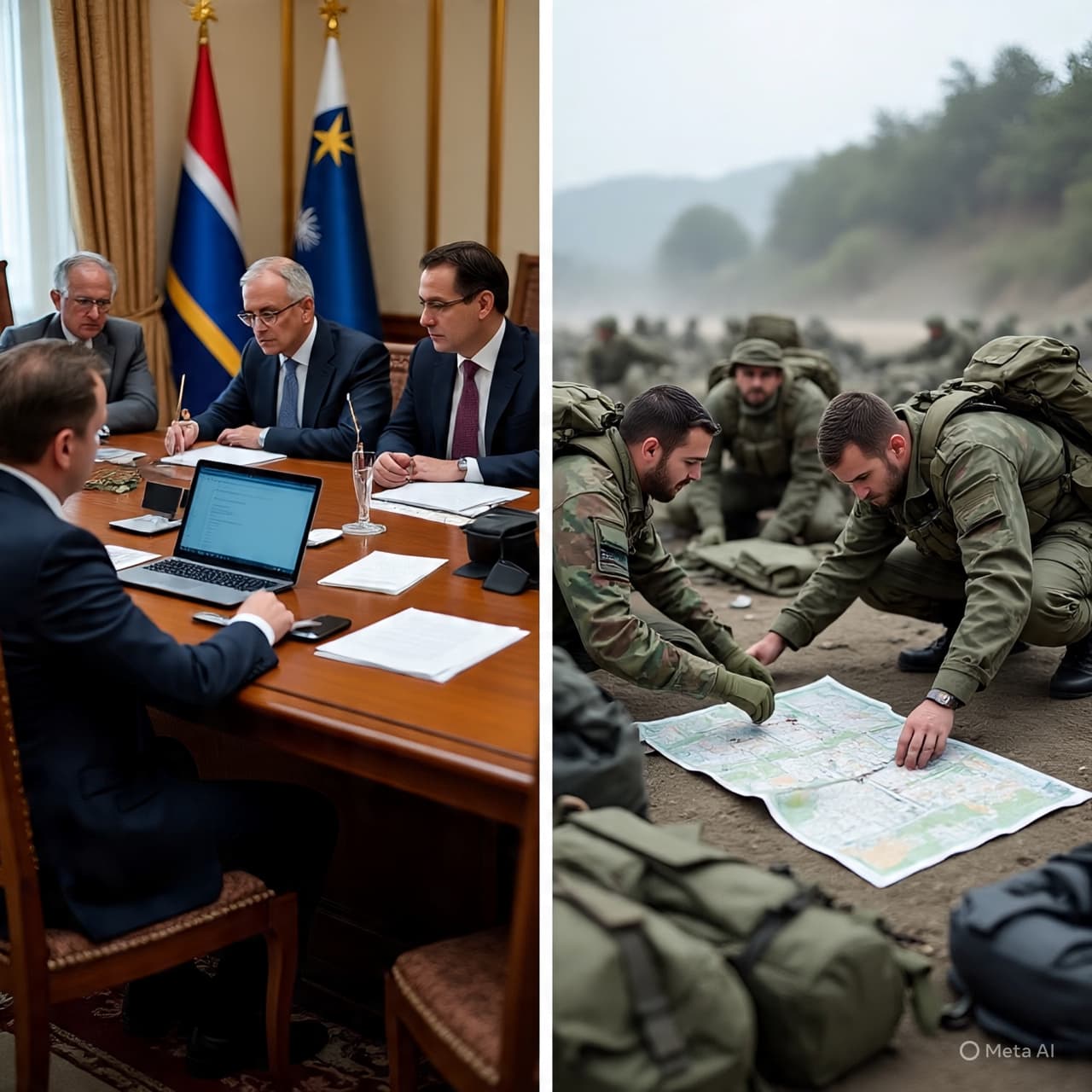
In the realm of international relations, moments often arise that feel like a calm before a storm. The air is still, yet beneath the surface, unseen forces are at play. This metaphor aptly describes the current state of U.S.-Iran relations, where diplomatic overtures are juxtaposed with military readiness. As President Donald Trump hints at negotiations with Iran, the simultaneous mobilization of thousands of troops from the 82nd Airborne Division casts a long shadow over the dialogue.
Diplomacy is frequently likened to a careful weaving of threads—delicate and reliant on patience. In contrast, military movements resemble the shifting of tectonic plates—firm and visible. When these two forces operate concurrently, they create a tension that is both complex and layered. The ongoing discussions with Iran suggest a willingness to explore previously cautious channels, yet the troop deployments signal a readiness that complicates the narrative.
The historical backdrop of U.S.-Iran relations is fraught with tension, characterized by decades of conflict, mistrust, and sporadic attempts at dialogue. Any indication of renewed discussions is met with both curiosity and skepticism. The deployment of military personnel does not explicitly declare intent but communicates a readiness to act, ensuring that options remain open even as conversations unfold behind closed doors.
This duality of diplomacy and military action can be interpreted in various ways. Some may view it as a strategic balance, where the hand of diplomacy is extended alongside a show of strength. Others might see it as a reflection of uncertainty, exploring pathways without full commitment. Such duality is not new in international relations; it is part of the intricate dance nations perform as they navigate complex geopolitical landscapes.
What emerges from this situation is not a clear resolution but a moment suspended between possibilities. Dialogue and deployment coexist, each influencing the other in subtle ways. The outcome of this delicate interplay will depend not only on the words exchanged but also on the weight of the actions taken behind them.
As the situation continues to evolve, observers are left to ponder whether these parallel actions will converge into a clearer direction. The interplay between diplomacy and military strategy remains a critical aspect of international relations, shaping perceptions and influencing outcomes in an ever-changing world order.
Published by Banx Network. This article is part of the Banx decentralized media programme, powered by the BXE token on the XRP Ledger.



