Key Highlights
- Recent remarks by Donald Trump on Iran triggered market fluctuations.
- Oil prices experienced volatility reflecting trader caution and uncertainty.
- The interplay of political rhetoric and economic realities shapes market dynamics.
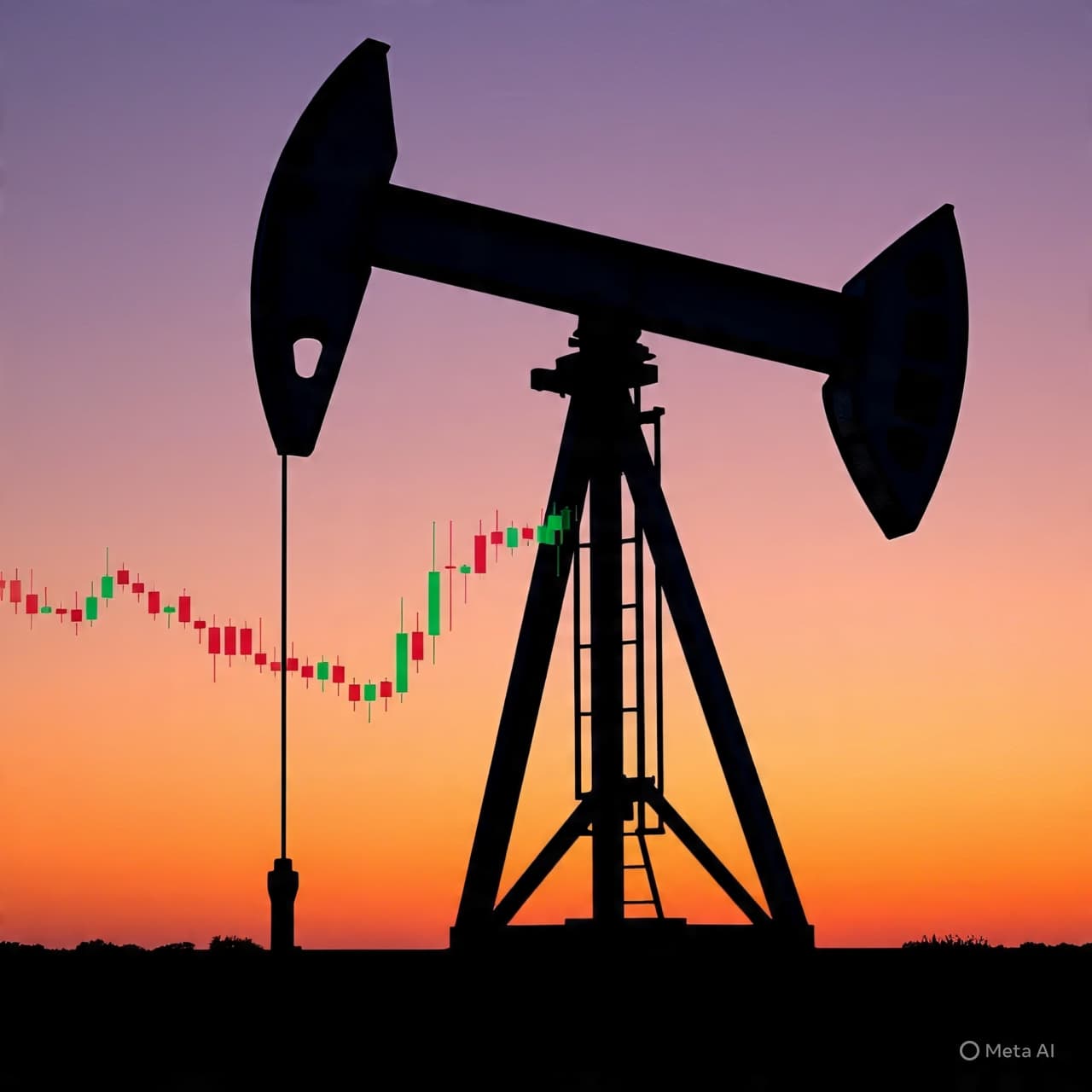
Political statements can have profound effects on financial markets, often leading to unexpected volatility. A recent example occurred when former President Donald Trump made pointed remarks regarding Iran, which quickly reverberated through global headlines and impacted oil prices. Traders reacted with caution, leading to uneven price shifts that highlighted not only immediate market reactions but also deeper uncertainties about future developments.
Oil, a critical commodity in the global economy, serves as both a resource and a symbol of geopolitical tensions. Iran's role in the energy sector means that any escalation in rhetoric involving the nation draws significant attention from investors and policymakers alike. Analysts have noted that such volatility is not uncommon; markets often strive to interpret signals, weighing the potential for disruption against the likelihood that aggressive rhetoric may not lead to immediate policy changes.
The sharp tone of Trump's comments introduced an additional layer of unpredictability. Strong language can imply stronger intentions, even in the absence of confirmed policy shifts. This uncertainty can lead to fluctuations in oil prices, which ultimately affect consumers at the gas pump and raise concerns for governments regarding energy security and supply chain stability.
The broader context of existing tensions in the Middle East, coupled with global economic uncertainties, creates an environment where even minor developments can have amplified effects on market stability. The interplay between political rhetoric and economic realities is complex, as traders and analysts attempt to navigate the landscape of potential risks and rewards.
Despite the current volatility, markets have historically shown resilience. Over time, they tend to recalibrate, absorbing shocks and adjusting to new information. While the immediate reactions to political statements may settle, the underlying causes of market fluctuations often persist, requiring ongoing attention from investors and analysts alike.
As the situation continues to evolve, the relationship between political discourse and economic outcomes remains a critical area of focus. Understanding how these dynamics interact will be essential for stakeholders across various sectors, from energy to finance, as they navigate the complexities of a rapidly changing global landscape.
Published by Banx Network. This article is part of the Banx decentralized media programme, powered by the BXE token on the XRP Ledger.