
Key Highlights
- Iran and the U.S. have agreed on guiding principles for future negotiations.
- Iranian Foreign Minister Abbas Araghchi described the talks as serious and constructive.
- Significant gaps remain on key issues like uranium enrichment and sanctions relief.
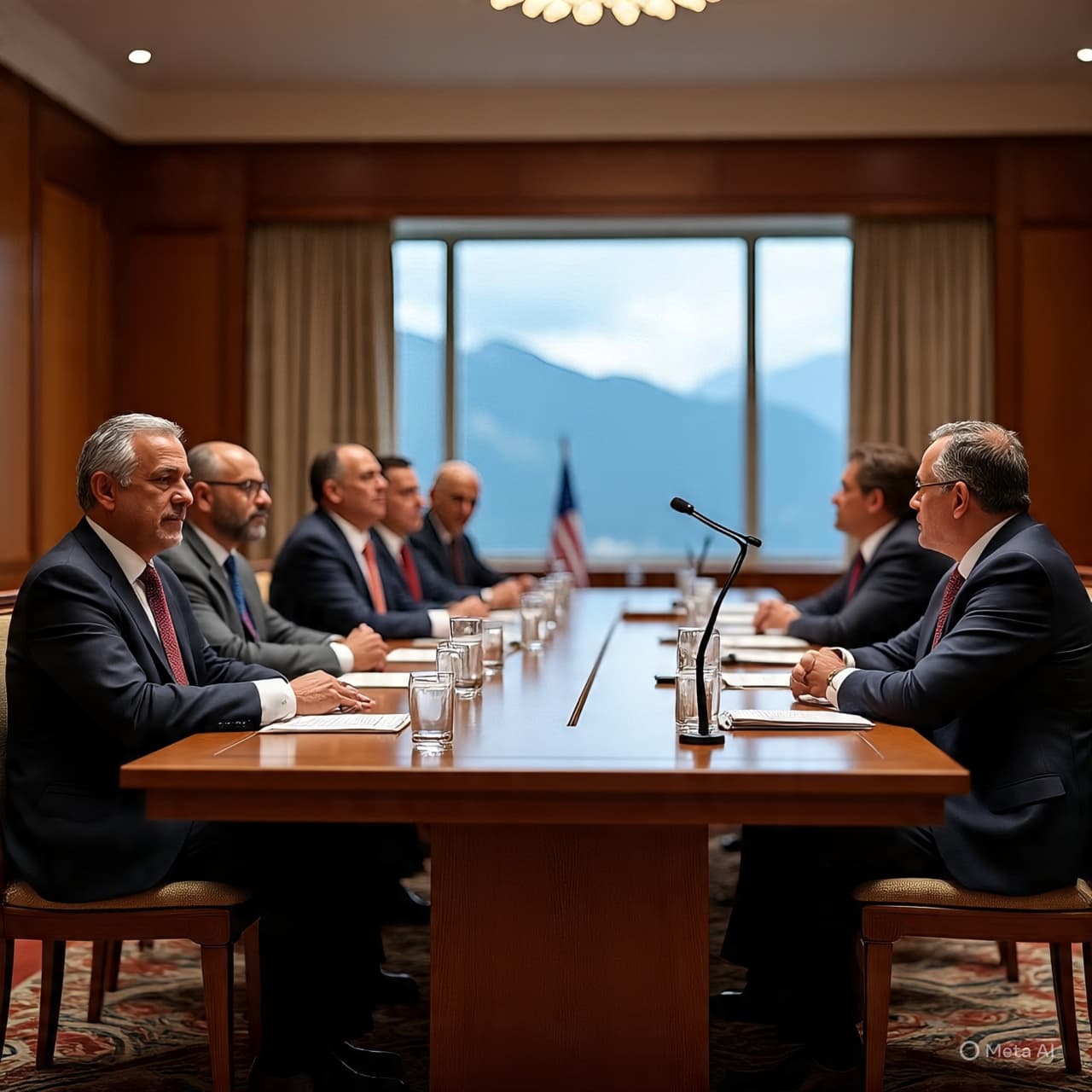
In a significant diplomatic development, Iran and the United States have reached an agreement on a set of guiding principles aimed at shaping future negotiations. This breakthrough occurred during indirect discussions held in Geneva, mediated by Oman, and marks a notable step forward in a relationship fraught with decades of tension and conflict. Iranian Foreign Minister Abbas Araghchi characterized the talks as “more serious” and “more constructive” than previous sessions, indicating a potential shift in the dynamics of their long-standing adversarial relationship.
The discussions lasted over three hours, during which both sides explored various ideas and ultimately established a broad understanding of the fundamental principles that could serve as the foundation for a future agreement. However, Araghchi was careful to clarify that this understanding does not equate to a final deal; rather, it provides a framework from which detailed texts can be developed. This cautious optimism reflects the complexities inherent in negotiations between two nations with deeply entrenched positions.
Guiding principles in diplomacy act as a compass, offering direction amid uncertainty. For both Iranian and U.S. negotiators, establishing these principles acknowledges the intricate challenges that lie ahead while highlighting a mutual interest in moving beyond rigid stances. Although the specific content of these principles remains undisclosed, significant gaps persist, particularly regarding contentious issues such as uranium enrichment levels, sanctions relief, and the role of inspections by the International Atomic Energy Agency (IAEA).
The broader geopolitical context surrounding these talks is critical to understanding their significance. Both Iran and the U.S. are burdened by domestic political pressures and historical suspicions that complicate their interactions. Iran's advancements in nuclear technology have drawn international scrutiny, especially following the collapse of previous agreements, while the U.S. maintains firm positions on enrichment limits and transparency measures. These realities shaped the tone of the discussions in Geneva, influencing both the words exchanged and the underlying sentiments.
Outside the negotiation room, the atmosphere remains charged with tension. Military movements across the Middle East and ongoing regional disputes add layers of complexity to the diplomatic efforts. Nevertheless, negotiators have chosen to keep the lines of communication open, prioritizing dialogue over confrontation for the time being. This decision reflects a shared understanding that unresolved nuclear disputes carry implications that extend far beyond the capitals involved.
As the current round of talks concluded, Araghchi indicated that both sides would begin drafting potential agreement texts based on the guiding principles established. While the timing for a third round of discussions remains uncertain, he cautioned against expecting a quick resolution, emphasizing that the work ahead will be both detailed and challenging.
For observers and participants, the emergence of these guiding principles represents not an endpoint but a waypoint in a longer journey toward mutual understanding. In a world where diplomatic paths can be fraught with challenges, such markers of progress may provide hope for those who view negotiation as a vital first step toward reducing risks and fostering stability in a volatile region.
Published by Banx Network. This article is part of the Banx decentralized media programme, powered by the BXE token on the XRP Ledger.



