On the edge of a horizon that seems both steady and unsettled, the world often finds its attention drawn to places where history’s tides lap at fragile shores. In the intricate tapestry of Middle Eastern diplomacy, a phrase aloud can seem like a ripple across still water — gentle in voice but laden with the promise of far-reaching consequence. When Iran’s Supreme Leader, Ayatollah Ali Khamenei, issued a quiet yet grave warning about the potential for regional conflict should the United States initiate military action, it was as though distant winds carried the echo of old tensions into present awareness. In a region where the shifting sands have borne witness to countless cycles of hope and hardship, these words invite reflection on the fragility of peace and the collective yearning to avoid its opposite.
Khamenei’s message, delivered during a public address in Tehran, lingered like the hush before dawn — signaling both caution and conviction. He spoke of the consequence of conflict not as a distant abstraction but as a possibility that, once begun, could quickly enfold neighboring lands and peoples in its wake. “The Americans should know that if they start a war, this time it will be a regional war,” he said, invoking a metaphor of interconnectedness that stretches beyond borders. In these few words lies a reminder that in global affairs, the reverberations of one decision can spread like ripples across an expansive sea.
For many watching from afar, the imagery evoked by such a warning is not grounded in immediate confrontation but in the shared human wish to avert suffering on a broader scale. In recent months, tensions between Tehran and Washington have risen amid debates over nuclear policy, responses to internal unrest within Iran, and the visible influx of military assets into strategic waters. The presence of such forces — aircraft carriers and warships — has been described by officials on both sides with language that speaks to resolve and determination. Yet, beneath these outward displays, there is a deeper, quieter current: an awareness of the immense cost that open confrontation could bring.
In articulating his position, the supreme leader underscored that Iran does not seek to initiate conflict, expressing this stance with a tone meant to reflect both steadfastness and restraint. Yet by simultaneously highlighting the consequences of an attack, he invited listeners to contemplate the broader tapestry of regional interdependence: how the fate of one nation can ripple across landscapes, touching lives in countless communities. It is this perspective — one that blends geopolitical calculation with a view toward human cost — that has animated many observers’ reflections on the current standoff.
Stories of conflict and diplomacy alike have long reminded us that nations are like constellations in a vast night sky: separate yet part of a shared whole, their movements tracing patterns that are both ancient and unfolding. In this view, a warning is not merely a forecast of peril but an invitation to seek paths that lead toward consideration, dialogue, and, ultimately, restraint. It is precisely in these moments of tension that voices urging care and reflection can kindle a shared hope for de-escalation.
In gentle straight news terms, Iran’s Supreme Leader Ayatollah Ali Khamenei warned on February 1 that any U.S. military attack against Iran would likely trigger a wider regional war in the Middle East. Khamenei’s remarks came amid escalating tensions with the United States following the deployment of U.S. military assets to the Gulf and in the context of ongoing international disputes over Iran’s internal policies and nuclear program. Iranian officials also reiterated that Iran is not seeking to initiate an attack but would respond firmly to any aggression. The comments reflect heightened diplomatic strain and ongoing concerns about regional stability.
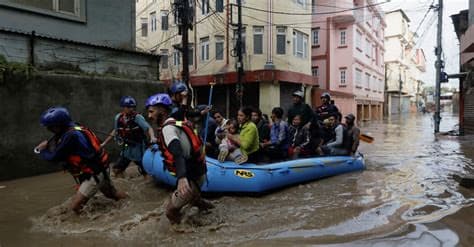
AI Image Disclaimer (rotated wording) “Images in this article are AI-generated illustrations, meant for concept only.”
Sources identified (media names only):
AP News / PBS Newshour Reuters ABC News Hürriyet Daily News Antara News Times of India
Published by Banx Network. This article is part of the Banx decentralized media programme, powered by the BXE token on the XRP Ledger.