
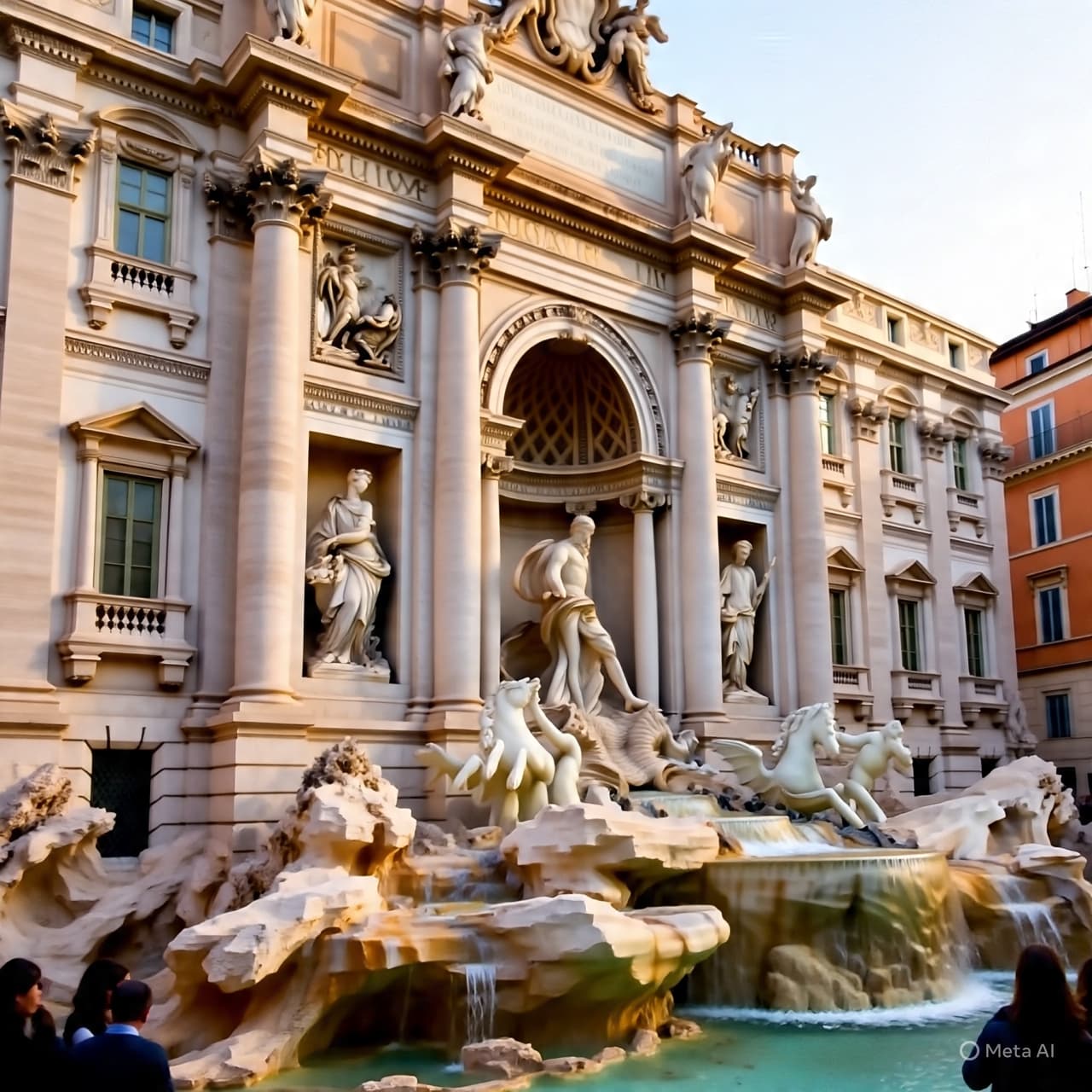
Morning light slips across the pale stone of the Trevi Fountain long before the crowds arrive. For centuries, water has folded endlessly into its basin, indifferent to emperors, pilgrims, and passing centuries alike. Yet in Rome, even the most enduring symbols eventually feel the pressure of the present. Now, the city has decided that approaching this ritualized beauty will come at a price.
Rome’s municipal authorities have announced plans to introduce a fee for visitors seeking close access to the Trevi Fountain, a measure aimed at managing overwhelming tourism and preserving one of the capital’s most photographed landmarks. The fountain, immortalized by cinema and tradition, has become less a pause in the city’s rhythm than a constant surge of bodies, phones raised, moments captured and instantly released into the digital current.
The coin toss — once a private gesture of hope — has long since become choreography. Visitors queue not for reflection but for proximity, edging forward for the perfect angle, the brief claim of space before the next wave presses in. City officials argue that charging for access is less about profit than control, a way to thin the crowds and restore a measure of dignity to the site.
Critics see something else. To them, the fee signals a troubling shift, where Rome’s shared heritage risks becoming segmented, its public spaces parceled into experiences available first to those who can pay. The concern is not merely economic but symbolic: when a fountain becomes gated, what happens to the idea of the city as an open archive of human history?
Supporters counter that Rome has reached a breaking point. Millions pass through each year, leaving behind not just coins but wear, waste, and strain on infrastructure never designed for this volume. Preservation, they argue, requires intervention, even if that intervention feels uncomfortable in a city so closely tied to notions of permanence and openness.
As the policy takes shape, the Trevi Fountain remains unchanged in form. Water still spills from carved stone, and wishes still arc briefly through the air before sinking from view. What has altered is the frame around the moment — a reminder that in the age of mass tourism, even wonder must be managed.
Rome has always lived with tension between past and present. This latest decision adds another layer to that long negotiation, asking whether access itself has become the most fragile element of all.
AI Image Disclaimer Illustrations are AI-generated and intended as conceptual representations.
Sources Rome municipal authorities Italian tourism and cultural heritage reporting European urban policy analysis
Published by Banx Network. This article is part of the Banx decentralized media programme, powered by the BXE token on the XRP Ledger.


