In Xinjiang, winter lingers longer than elsewhere. Cold settles into valleys and plateaus, shaping daily life and stretching the season of frost well past the calendar’s comfort. For decades, this climate was treated as a constraint—something to be endured, insulated against, or escaped. Recently, it has begun to be counted instead, measured not just in degrees, but in opportunity.
Local authorities and firms have increasingly framed Xinjiang’s low temperatures as an economic asset. Cold air reduces energy demand for cooling-intensive industries, lowers operating costs, and stabilizes environments that require precision. What once slowed activity now anchors it, drawing investment into sectors where temperature is not an obstacle but a competitive edge.
Data centers and high-performance computing facilities have emerged as prominent beneficiaries. Cooling accounts for a substantial share of energy use in such operations, and Xinjiang’s climate allows systems to run more efficiently for longer periods. Paired with expanding renewable energy capacity, particularly wind and solar across the region’s vast open spaces, the cold becomes part of a broader calculus aimed at lowering costs and improving reliability.
Beyond digital infrastructure, cold-chain logistics has expanded as agriculture and food processing adapt to longer storage cycles. The ability to preserve produce and meat closer to source reduces spoilage and extends market reach. Warehousing designed for low-temperature stability has followed, stitching climate into supply chains that prize consistency over speed.
This shift is not merely technical. It reflects a wider effort to diversify Xinjiang’s economy, long associated with resource extraction and agriculture. By aligning climate with industrial planning, the region seeks to move up value chains, attract capital less sensitive to distance, and stabilize employment through year-round operations rather than seasonal rhythms.
Challenges remain. Infrastructure must scale carefully, energy grids must balance variability, and environmental constraints require management as development accelerates. There are also broader considerations—market access, regulation, and the need to ensure that growth is inclusive and sustainable over time. Cold, after all, offers advantages only when systems are designed to use it well.
Still, the recalibration is underway. In policy documents and investment pitches alike, temperature now appears as a line item with upside. The cold is no longer just weather; it is strategy.
As winter returns each year, it brings with it a reminder that geography does not dictate destiny outright. In Xinjiang, the same cold that once slowed the pace is being folded into a new engine of growth—quiet, methodical, and calibrated to turn frost into momentum.
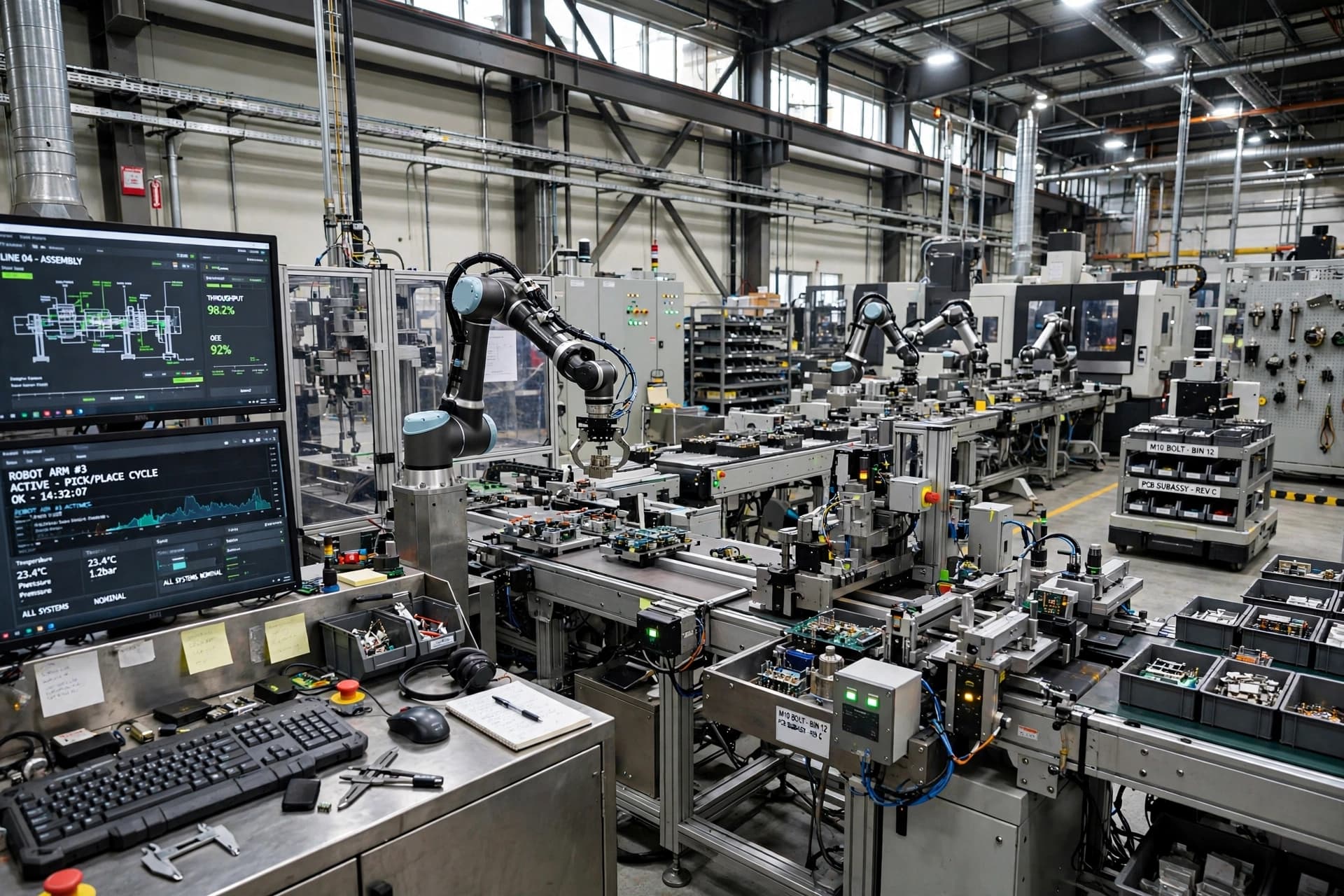
AI Image Disclaimer Visuals are AI-generated and serve as conceptual representations.
Sources Xinhua Reuters National Bureau of Statistics of China China Daily
Published by Banx Network. This article is part of the Banx decentralized media programme, powered by the BXE token on the XRP Ledger.