There are moments in a long winter when the cold seems almost a living thing, curling around doorframes and pressing against windows like an uninvited guest. In Kyiv, that cold has found its voice not just in the falling temperatures but in the silence of appliances that should be humming, in stairwells that should be warm, and in the breath of residents drawn tight with quiet worry. As the city endures both the ruthless bite of winter and the distant hope of peace, recent raids on its energy infrastructure have pushed everyday life into a harsher, more fragile space.
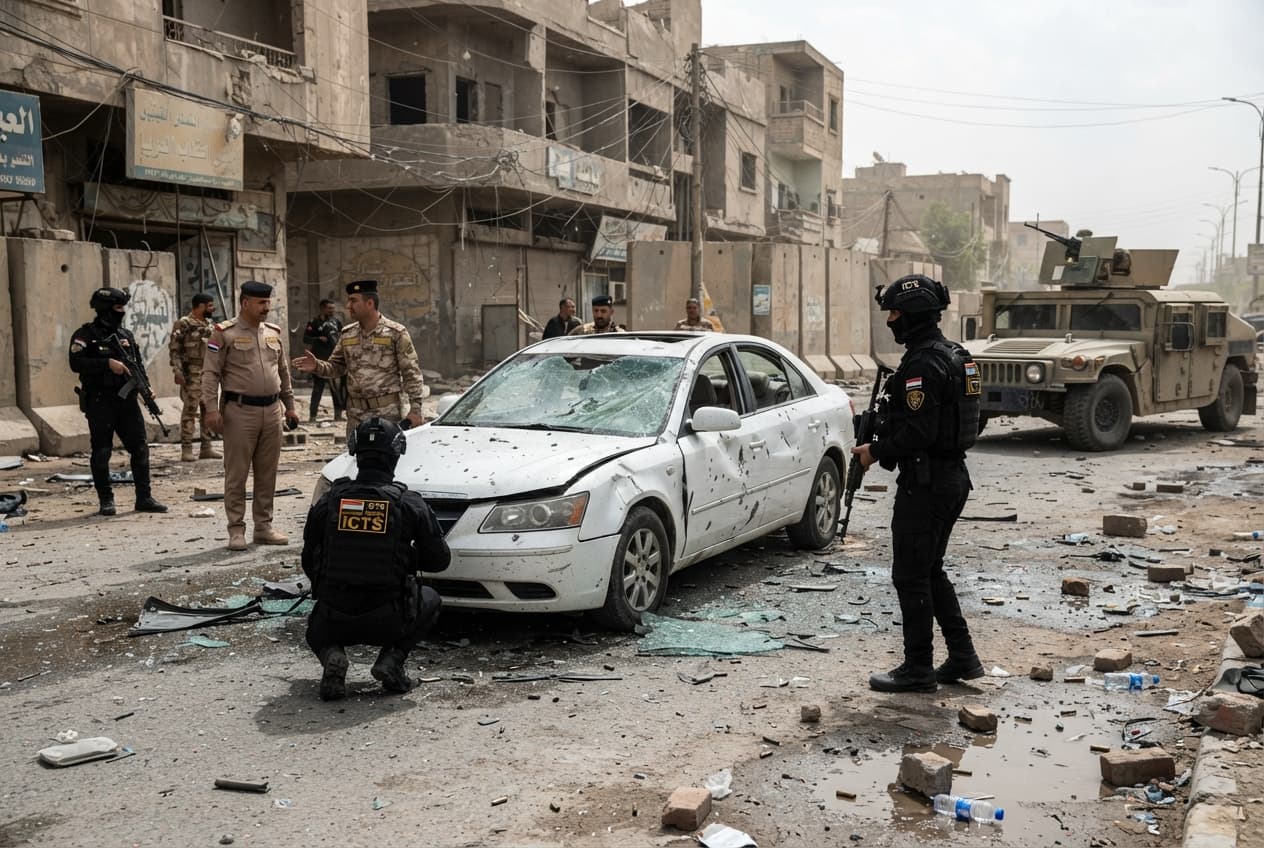
On January 24, the night sky above Ukraine’s capital pulsed with flashes and the distant rumble of air defenses answering missiles and drones launched in another wave of attacks. By morning, much of Kyiv had been left without central heating, power or water as temperatures plunged well below freezing — a stark reminder of how essential warmth truly is. Emergency services labored through the frigid hours to bring what heat and electricity they could back to residents, but for many, the waiting continued in cold apartments and dim stairwells.
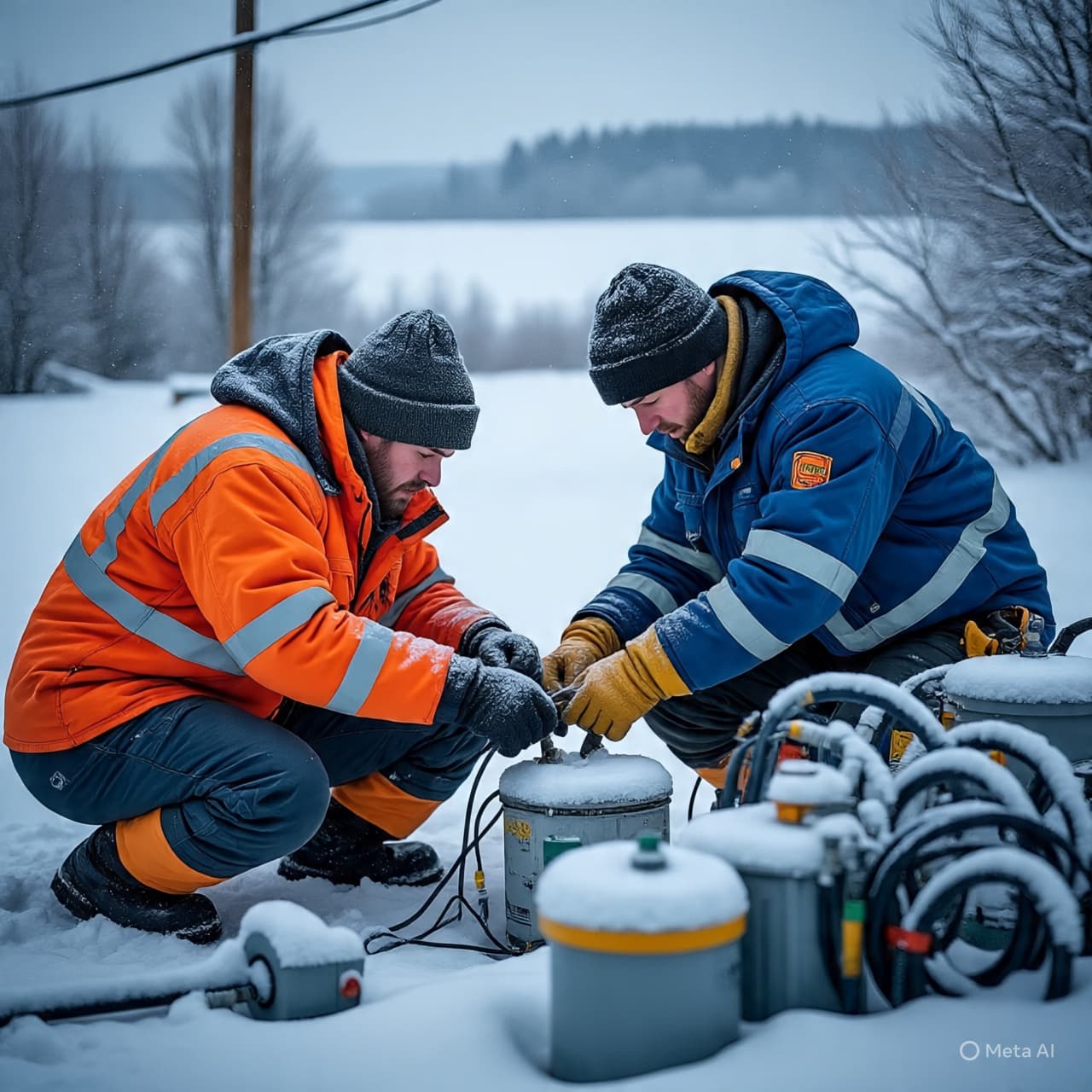
Officials in Kyiv described the devastation not just in numbers — thousands of buildings cut off from heat, hundreds of thousands left in the dark — but in the subtle ways it reshapes daily routines. Where once neighbors might meet for a warm drink or gather at a table for conversation, now the focus is on blankets, shared power supplies, and the slow ticking of heaters returning to life.
Amid this struggle for warmth and normalcy, peace talks involving Ukrainian, Russian and U.S. representatives have been unfolding in the United Arab Emirates, intended to chart a path toward ending nearly four years of conflict. Those sessions have not yet produced a breakthrough. Diplomats return to their tables each day while the echo of bombings lingers in the minds of those whose lives are most affected by the violence and disruption back home.
For many in Kyiv, the connection between the battlefield and the negotiating table feels both distant and immediate. Conversations in darkened living rooms now carry news updates on rocket launches and missiles intercepted, voices woven with reflection on what peace might truly look like once fighting subsides. These are the rhythms of a city learning to balance hope with hardship, seeking a future that allows both warmth of spirit and warmth in the home.
In closing, Russian aerial strikes have again damaged Ukraine’s energy infrastructure, leaving thousands of buildings in Kyiv without heating amid freezing winter temperatures and exacerbating civilian hardships. These attacks occurred as peace talks involving Ukraine, Russia, and the United States continued in the Gulf, with negotiators meeting but no formal ceasefire or agreement yet reported. City authorities and emergency crews are working to restore essential services while residents adapt to limited electricity and heating supplies.
AI Image Disclaimer Graphics are AI-generated and intended for representation, not reality.
Sources for this article: Reuters The Guardian Associated Press News Sky News AP News
Published by Banx Network. This article is part of the Banx decentralized media programme, powered by the BXE token on the XRP Ledger.