Winter often announces itself quietly, through shorter light and slower mornings, before it makes its presence known in other ways. This season, that presence has arrived in waiting rooms and classrooms, in pharmacies with emptied shelves, and in the steady accumulation of absences that signal something larger moving through the country.
Across the United States, the 2025–26 flu season has surged with unusual force, driven by a newly identified influenza subtype known as subclade K. Its spread has pushed weekly flu activity to record levels, surpassing patterns typically seen even at the height of winter. While respiratory seasons often follow familiar arcs, this one has resisted expectation, accelerating as colder months deepen.
Health officials report that millions of Americans have already fallen ill, with hospitalizations rising into the thousands nationwide. Emergency departments in multiple regions have experienced sustained pressure, not from a single outbreak, but from the cumulative weight of widespread infection. The numbers suggest a season still unfolding rather than cresting.
The contrast across borders has been notable. In Canada, flu activity linked to the same subtype has begun to decline, offering a glimpse of eventual stabilization. In the United States, however, experts caution that the peak may still lie ahead. Timing, population density, and regional variation appear to be shaping different trajectories on either side of the boundary.
Subclade K has drawn attention not because it rewrites the nature of influenza, but because it has slipped efficiently into circulation. Like many viral shifts, its significance lies in scale rather than novelty. The virus behaves as influenza always has—moving through communities, exploiting proximity, and testing public health systems already accustomed to strain.
Amid the statistics, the season has taken on a familiar texture: school districts navigating attendance drops, employers adapting to prolonged sick leave, and families recalibrating routines around illness. These patterns, repeated year after year, gain new intensity when numbers stretch beyond precedent.
Public health guidance continues to emphasize prevention and awareness, even as the season advances. Vaccination, early treatment, and caution around exposure remain central to the response, less as emergency measures than as steady practices meant to blunt impact rather than eliminate risk.
As winter continues, the flu’s trajectory remains unsettled. The record-setting weeks already logged stand as markers of how quickly equilibrium can shift, and how quietly a familiar virus can reassert its presence. In that sense, this season is not an anomaly, but a reminder—of vulnerability, of endurance, and of the rhythms that return each year, altered but recognizable.
### AI Image Disclaimer
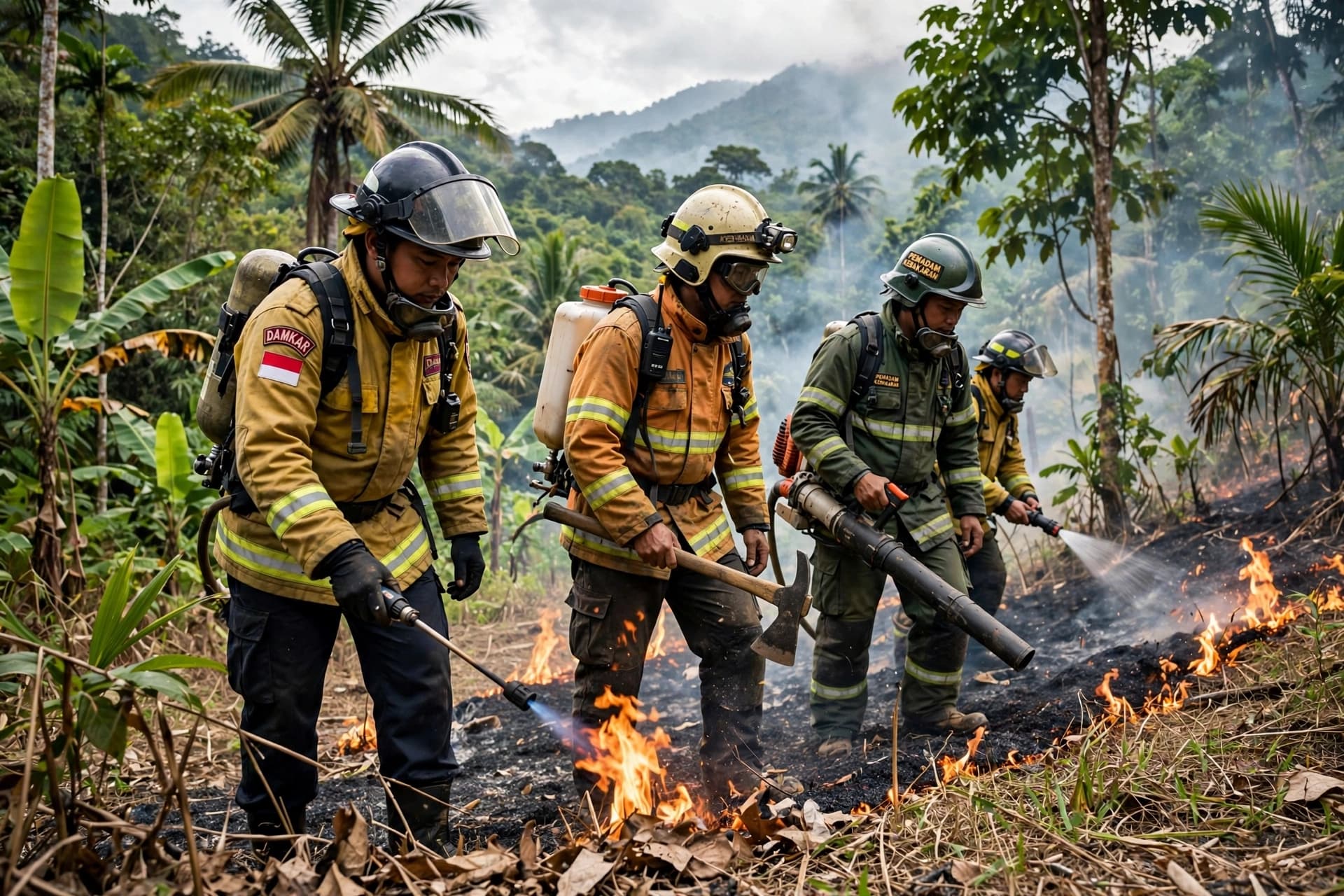
Illustrations were created using AI tools and are not real photographs.
---
### Sources
Centers for Disease Control and Prevention Reuters Associated Press Health Canada
Published by Banx Network. This article is part of the Banx decentralized media programme, powered by the BXE token on the XRP Ledger.