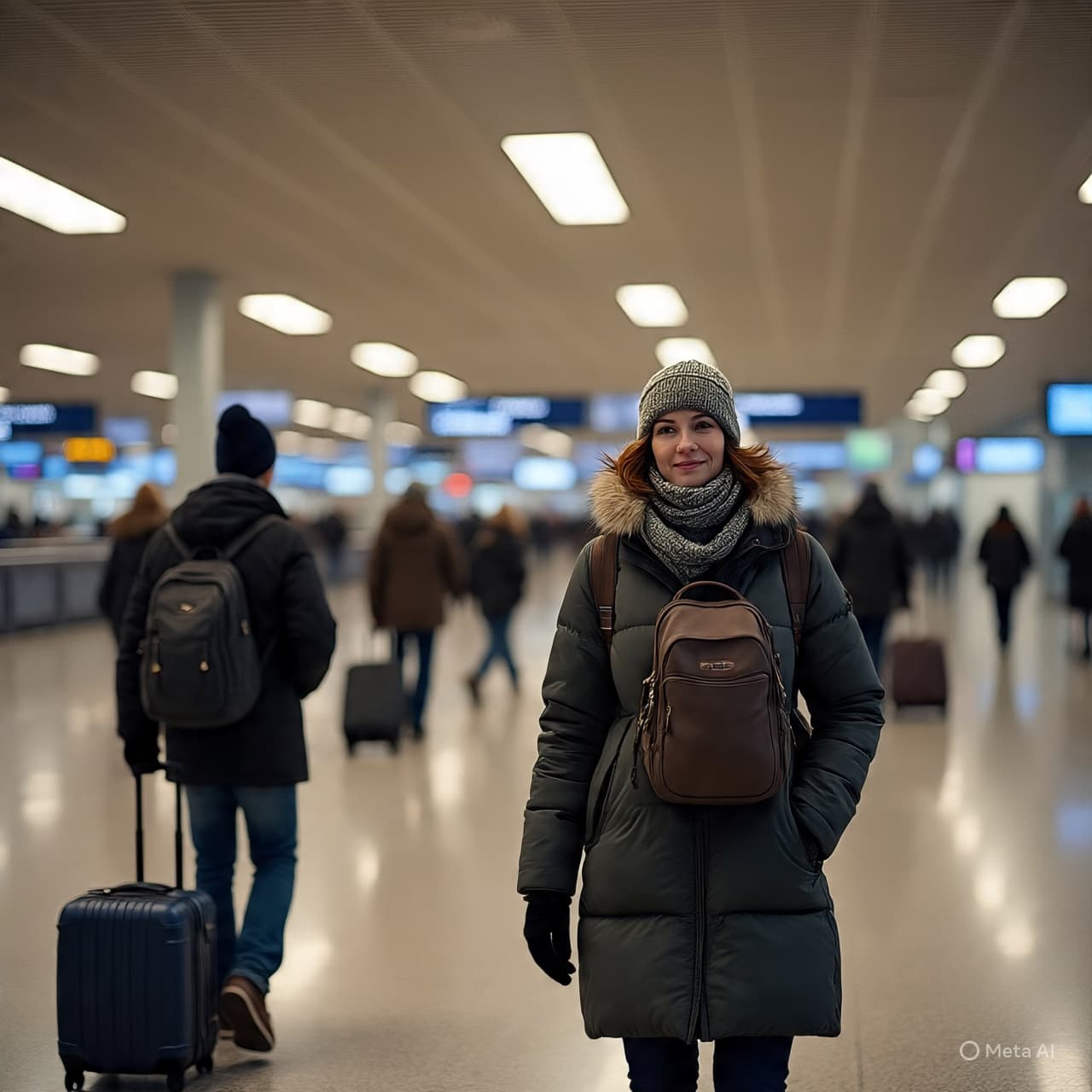
There is a familiar hush that settles over towns when winter deepens, like an unseen brush of frost upon a windowpane. This time of year invites us into warm homes, familiar embraces, and the gentle hum of gatherings that feel almost sacred. Yet amid this season’s soft glow of lights and laughter, a less visible phenomenon is also making its presence felt one that travels quietly behind the smiles and shared meals.
Public health data from the Centers for Disease Control and Prevention reveal that influenza activity in the United States is not just present, but steadily increasing a whisper becoming more pronounced as holiday travel continues and families gather from coast to coast. According to the latest CDC figures, millions of flu cases have been recorded so far this season, with rising hospitalizations and hundreds of deaths attributed to the virus. Flu activity indicators have climbed across multiple regions, underscoring that this year’s influenza journey is underway.
The patterns echo those of seasons gone by, but there are nuances that health experts are watching closely. Among them is a dominant virus strain known as H3N2 subclade K a variant that appears to spread readily in communities and may be influencing both the breadth and timing of flu’s ascent. While vaccines and antiviral treatments remain vital tools for reducing severe illness, the rhythms of holiday travel with planes and highways filled with returning loved ones offer natural opportunities for the virus to pass from person to person.
In cities and smaller communities alike, clinicians have noted increased visits for flu-like symptoms, and state health departments are reporting activity levels that are higher than might be expected this time of year. Though seasonal respiratory viruses often ebb and flow, this rise gently spurred by convivial gatherings and travel carries with it the reminder that influenza is part of winter’s landscape.
Understanding this rise doesn’t dampen the seasonal cheer; rather, it offers context. As we move through the holidays, taking simple steps such as getting vaccinated if eligible, practicing good hand hygiene, and remaining mindful of symptoms can help communities navigate both the joys and challenges of this shared seasonal experience.
By observing these patterns with attention rather than alarm, we acknowledge that our interconnected journeys physical and social shape not only festive memories but also the pathways along which viruses travel.
AI Image Disclaimer “Visuals are created with AI tools and are not real photographs, intended for conceptual illustration only.”
Credible sources found confirming the topic:
ABC News KTRK/ABC13 Houston WSMV CDC FluView / official CDC KFF Health News roundup
Published by Banx Network. This article is part of the Banx decentralized media programme, powered by the BXE token on the XRP Ledger.