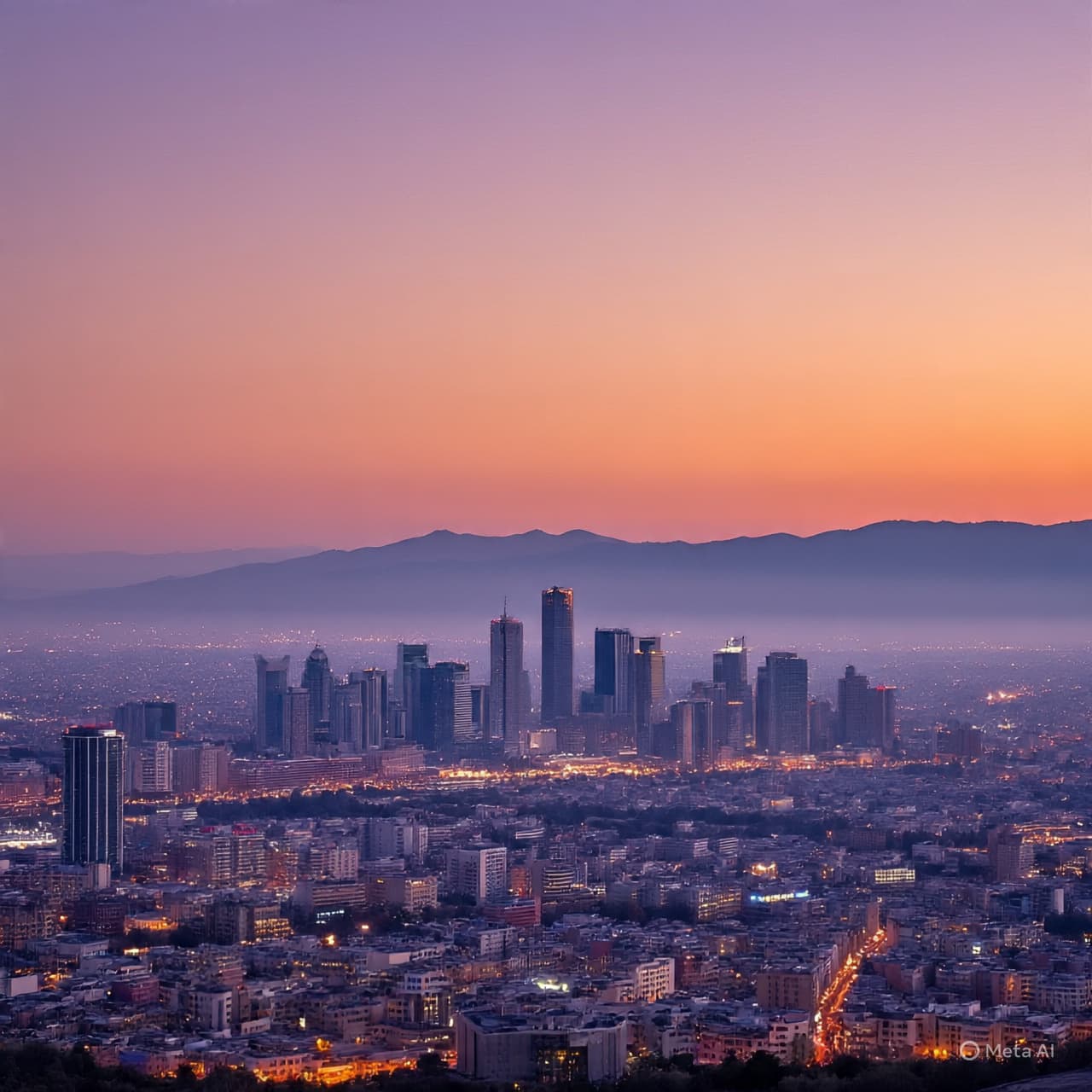
In the quiet hours before dawn, when the horizon still wears its velvet blue cloak, the world’s stakeholders in the Middle East often pause to sift through the echoes of the day before. What at first seems like a simple clash of interests can, upon reflection, reveal patterns as intricate as the wind weaving through a desert canyon unseen but profoundly felt. In recent months, the notion of regime change in Iran has drifted into international conversation, carried by official statements, military action, and the distant rumble of protests on the streets of Tehran. The question that hangs in the air is as elusive as desert mirage: is Israel truly hoping for a change in Iran’s leadership, or is this merely an unfolding chapter in a far older story of security and fear?
Behind the headlines lies a confluence of pressures, both internal and external. Historically, Israel has been deeply concerned by Iran’s ballistic missile capabilities and its nuclear ambitions issues that have shaped strategic thinking for decades. In recent conflicts and public commentaries, some Israeli leaders have acknowledged that the weakening of Iran’s governing structures could be an outcome of ongoing military action and diplomatic pressure. The possibility of reshaping a neighboring regime can sometimes seem like offering a new path to those who feel trapped by the weight of authoritarian rule. Yet in other official remarks, Israeli officials have been careful to clarify that regime change is not an explicit war objective, framing any transformation as a matter for the Iranian people themselves. The difference between a hoped-for result and a declared aim can feel as subtle as the divide between twilight and night, yet its implications are significant.
The situation is further complicated by the ripples of domestic unrest within Iran. Widespread protests sparked by economic hardship and political frustration have drawn international attention and expressions of sympathy from leaders abroad, including in Israel. Some observers see this as an intertwining of internal pressures with external narratives, where the spirit of popular dissent becomes another strand in the rope that might one day reshape Tehran’s political landscape. Whether this convergence leads to change from within or intensifies external anxieties remains deeply uncertain.
It’s also worth noting that every country’s approach to another’s internal trajectory is inevitably filtered through fears and aspirations of its own security. Discussions about regime change carry both rhetorical weight and real-world consequences, from diplomatic backchannels to the positioning of military assets. Voices within both Israel and the United States have at times spoken of the end of Iran’s ruling order as a desirable long-term outcome, even while emphasizing the complexity of achieving such an outcome without Iranian initiative.
In the end, what remains clear is that the idea of “regime change” is woven into a tapestry far larger than any simple policy statement. It sits at the intersection of historical rivalry, contemporary conflict, and the enduring human yearning for self-determination. The coming months and years will likely reveal more about whether this concept remains a topic of debate or becomes a central thread shaping the region’s future.
As the sun sets across the Middle East, commentators and citizens alike will watch closely mindful that, in geopolitics, ambition and reality often move at different rhythms.
AI Image Disclaimer (rotated wording) “Visuals are created with AI tools and are not real photographs.”
Sources identified:
The Economist (editorial news on Israel & Iran) Reuters (analysis on Israeli strikes and goals) Axios (report on Israel and regime change discussion) The Media Line (regional reporting) Times of India — reporting Netanyahu’s remarks on Iran protests and regime critique
Published by Banx Network. This article is part of the Banx decentralized media programme, powered by the BXE token on the XRP Ledger.