
Key Highlights
- Upcoming Talks:Iran and the U.S. are set to meet in Muscat, Oman, for nuclear negotiations this Friday.
- Diplomatic Context:The talks come amid heightened tensions and a backdrop of regional unrest.
- Historical Significance:Oman’s role as a neutral host highlights its importance in facilitating dialogue.
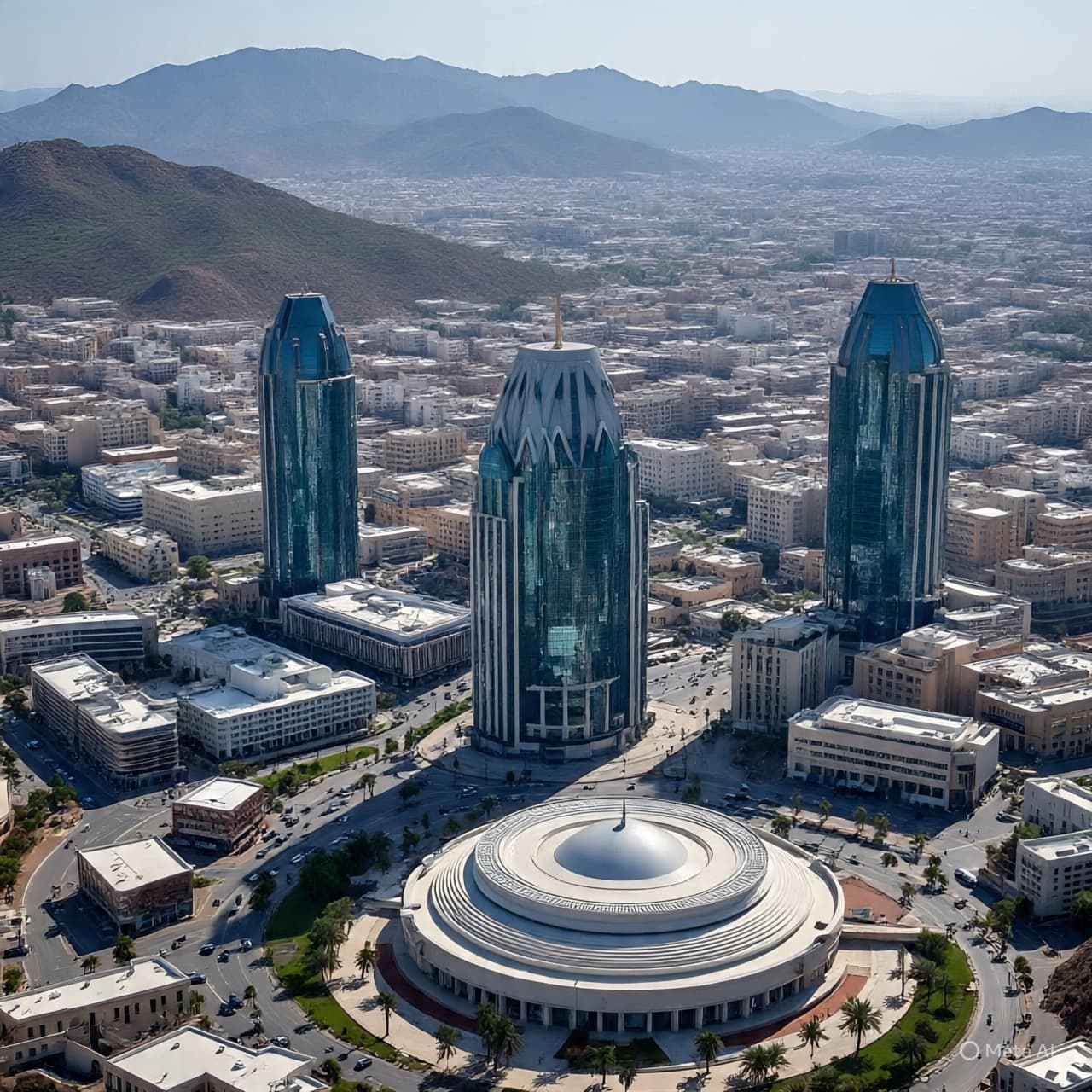
In the tranquil setting of Muscat, Oman, envoys from Iran and the United States are preparing for a pivotal round of nuclear talks scheduled for this Friday. This meeting, confirmed by Iranian Foreign Minister Abbas Araghchi, follows a week of uncertainty regarding the venue and format, underscoring the fragile nature of diplomatic engagement between the two nations. As the sun rises over the desert sands, it symbolizes both hope and the weight of history that these discussions carry.
The backdrop of these negotiations is steeped in decades of mistrust and conflict, with both sides approaching the table amid high geopolitical tensions. Recent protests in Iran and a forceful international response have added layers of complexity to the dialogue. The stakes are high, as each word exchanged could either pave the way for progress or deepen existing divides. President Donald Trump’s recent warnings to Iran’s Supreme Leader further complicate the atmosphere, amplifying concerns that echo beyond the negotiating room.
Despite these challenges, the decision to engage in talks reflects a shared understanding that dialogue is essential, even in its most tentative form. Oman’s role as a neutral facilitator is crucial, often overlooked in the headlines but vital in creating a space for resilience and understanding. The country’s history of hosting diplomatic discussions positions it as a key player in fostering communication between adversarial nations.
As the world watches, the intricate threads of regional security, nuclear containment, and international relations are woven together in these negotiations. Each session serves as a test of whether mutual understanding can emerge from a landscape marked by conflict. The recent developments indicate that diplomacy is not a static endeavor but a dynamic process shaped by shifting intentions and the need for restraint.
As Muscat prepares to host this significant meeting, there is an inherent beauty in the act of convening. Representatives from powerful nations are choosing to engage in conversation, to listen, and to explore potential avenues for cooperation. This gathering, while fraught with uncertainty, embodies the possibility of progress — a quiet yet powerful reminder that even in the darkest times, the light of dialogue can illuminate a path forward.
In summary, the upcoming nuclear talks between Iran and the United States in Muscat represent a critical juncture in their fraught relationship. With both sides emphasizing different priorities, including Iran's focus on nuclear issues and the U.S.'s broader security concerns, the outcome of these discussions could have significant implications for regional stability. As the international community watches closely, the importance of maintaining dialogue amidst rising tensions cannot be overstated.
Published by Banx Network. This article is part of the Banx decentralized media programme, powered by the BXE token on the XRP Ledger.



