
Key Highlights
- Cyclone Gezani struck Madagascar on February 10, 2026, causing widespread destruction.
- At least 59 fatalities and over 16,000 displacements reported.
- The port city of Toamasina was severely impacted, with significant infrastructure damage.
Cyclone Gezani unleashed its fury on Madagascar on the night of February 10, 2026, leaving a trail of devastation in its wake. The storm, which followed closely on the heels of Tropical Cyclone Fytia, has profoundly disrupted the lives of thousands. As the cyclone approached, residents braced for impact, but the reality of the storm's destruction was far more severe than many anticipated.
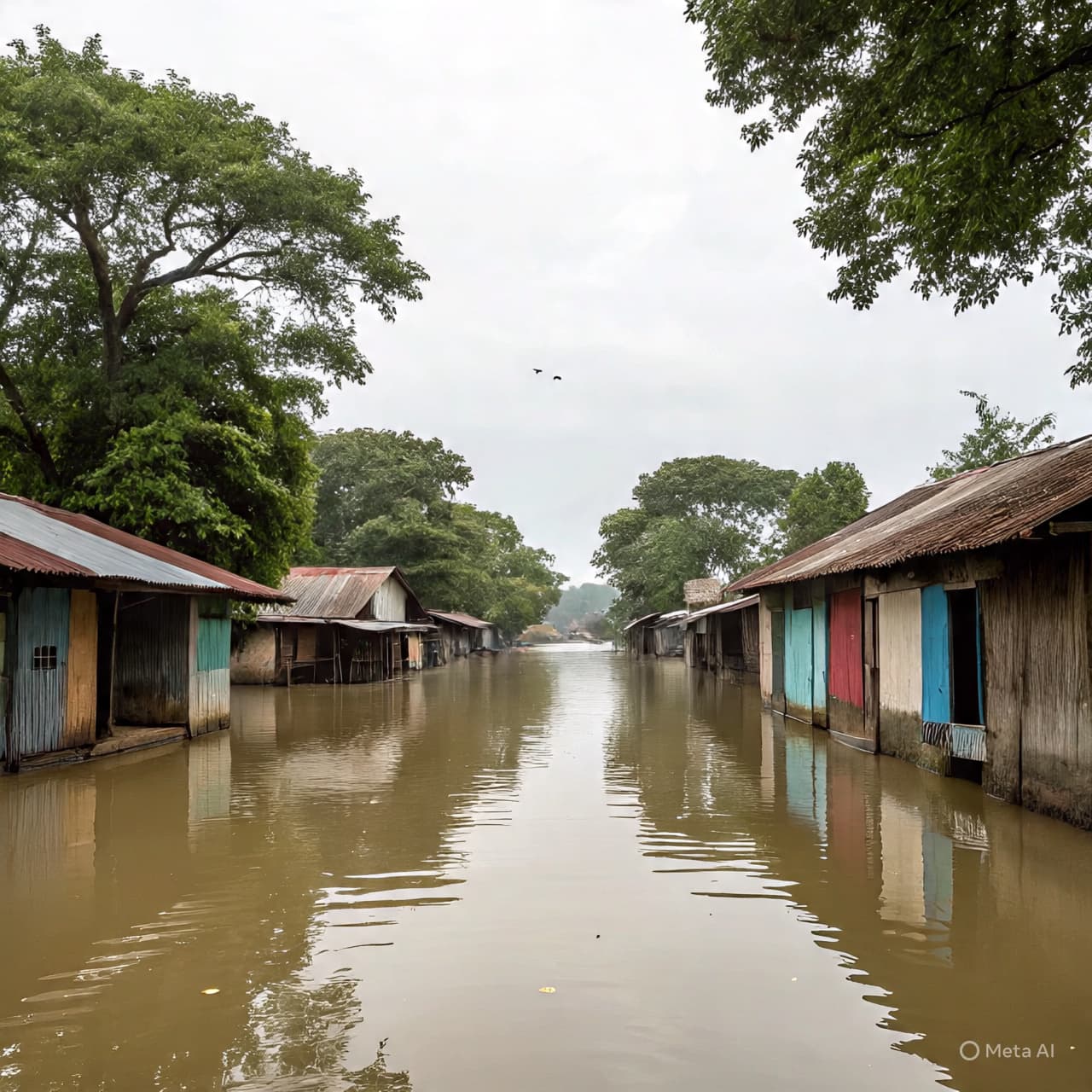
In the aftermath, reports indicate that at least 59 people have lost their lives, with over 16,000 displaced from their homes. The port city of Toamasina, a vital hub for trade and commerce, was among the hardest hit. Streets that once thrived with market activity transformed into muddy rivers, and homes that had stood for generations were reduced to rubble. Local authorities reported hundreds of injuries, with many individuals still unaccounted for, raising concerns about the ongoing search and rescue efforts.
The cyclone's winds, which reached speeds of over 185 km per hour, not only flattened homes but also uprooted trees and damaged essential infrastructure. The impact on local communities was immediate and severe, with entire neighborhoods left without electricity or clean water. Many residents sought refuge in temporary shelters, relying on the support of relief organizations and volunteers who rushed to provide aid.
The dual impact of Cyclone Gezani and Cyclone Fytia highlights the vulnerability of island nations like Madagascar, where the seasonal weather patterns can bring both life-sustaining rains and catastrophic storms. The back-to-back nature of these cyclones has compounded the challenges faced by communities already struggling to recover from previous disasters.
In the face of such adversity, stories of resilience emerge. Displacement camps have become places where families share their experiences of survival and hope for rebuilding their lives. Aid organizations are actively distributing food, blankets, and medical supplies to those in need, emphasizing the importance of community support during this challenging time.
As recovery efforts continue, the focus remains on restoring normalcy to the affected regions. Children are returning to makeshift schools, and community members are coming together to help one another rebuild. The resilience of the human spirit shines through even in the darkest times, as Madagascar begins the long journey toward recovery.
In summary, the disaster management office has confirmed that Cyclone Gezani has resulted in at least 59 fatalities and displaced over 16,428 individuals. The ongoing relief operations, supported by national and international partners, aim to address the immediate needs of those affected while preparing for potential further impacts as the weather system progresses through the region.
Published by Banx Network. This article is part of the Banx decentralized media programme, powered by the BXE token on the XRP Ledger.



