There is a particular anticipation that arrives each autumn in Ontario, a quiet wondering that begins when the air turns crisp and the leaves begin their descent. When will the first snow fall? History offers an answer, but this year, history may be rewritten by forces far out in the Pacific Ocean.
Environment Canada meteorologist Geoff Coulson explains that snowfall in southern Ontario typically begins in late October and early November, as temperatures dip below freezing . But with a strengthening super El Niño in play, forecasters say snow may be behind schedule. Warmer-than-normal conditions are expected into the first part of November, pushing the timeline later than usual .
The numbers tell a story of regional difference. Between 1991 and 2020, Ottawa averaged 2.7 centimeters of snow in October; Toronto averaged just 0.2 centimeters . By November, Ottawa averages 20.7 centimeters, while Toronto gets 9.3 centimeters . In the Muskoka region, October snowfall averages 5.7 centimeters, jumping to 43.2 centimeters in November .
Coulson said the Muskoka area, Georgian Bay, and the snowbelt regions, along with areas toward Pembroke, Petawawa, and Ottawa, are typically first to see snow—sometimes as early as late October in a normal year . This year, that timeline is likely pushed into November. In Toronto and the southwest, the first snowfall that actually sticks may not arrive until later in November .
The super El Niño’s influence is expected to be most pronounced in late fall and winter. The Weather Network reports that the winter of 2023-2024, also an El Niño year, holds the record for Canada’s warmest winter ever observed . This year, above-seasonal temperatures are expected across almost all of Eastern Canada through early winter, with the greatest opportunity for well-above normal temperatures over Ontario and southern Quebec .
But El Niño does not eliminate winter—it reshapes it. As the pattern fades later in the season, winter could attempt a comeback in January and February . Cold air will still break through, though these bursts will likely prove brief. For those who watch the skies, the first snow may come later, but it will come. The question is not whether, but when.
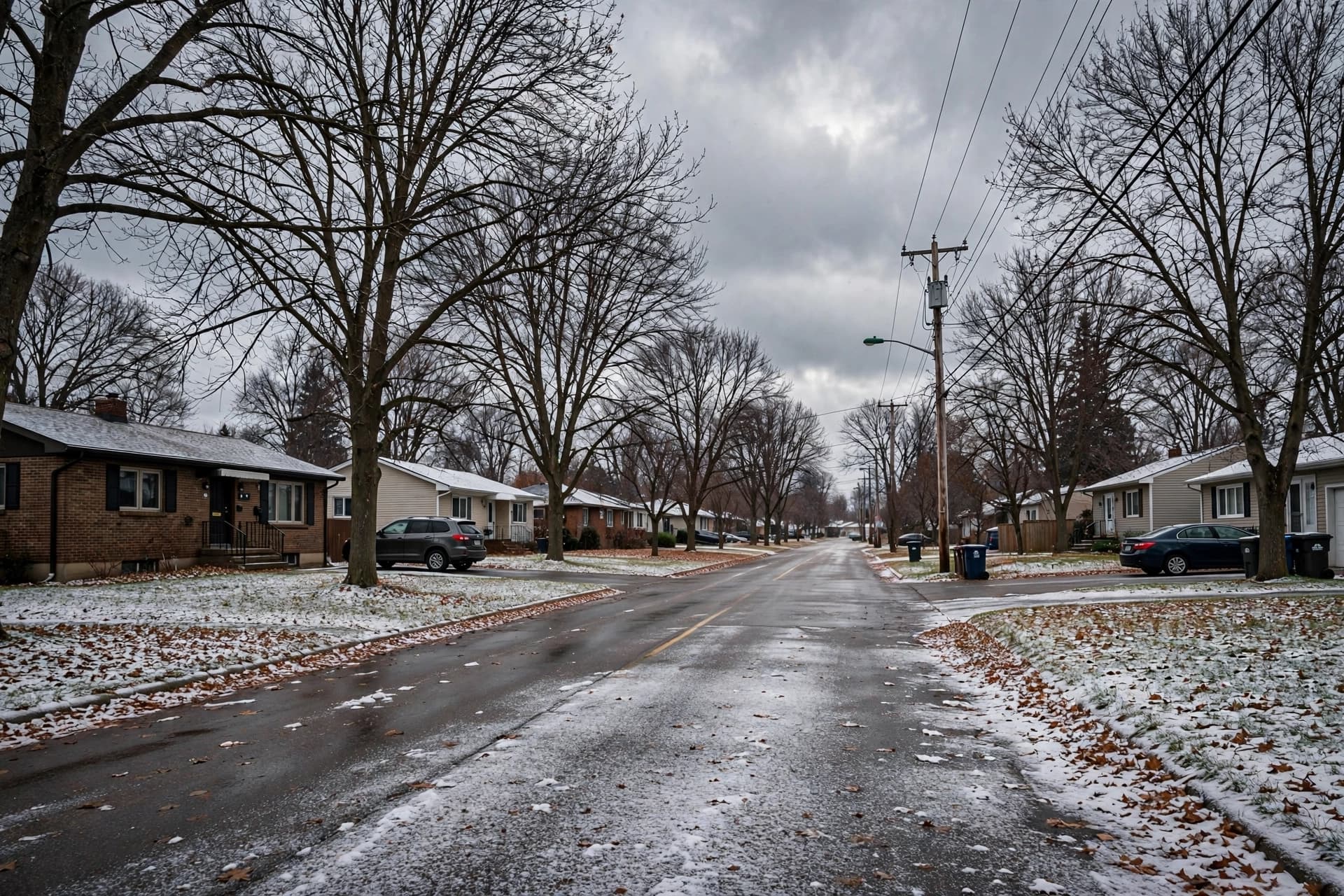
AI Image Disclaimer: This article’s image is AI-generated and does not depict actual weather conditions or snowfall.
Sources: YorkRegion.com, The Peterborough Examiner, The Weather Network, Toronto Sun
Published by Banx Network. This article is part of the Banx decentralized media programme, powered by the BXE token on the XRP Ledger.