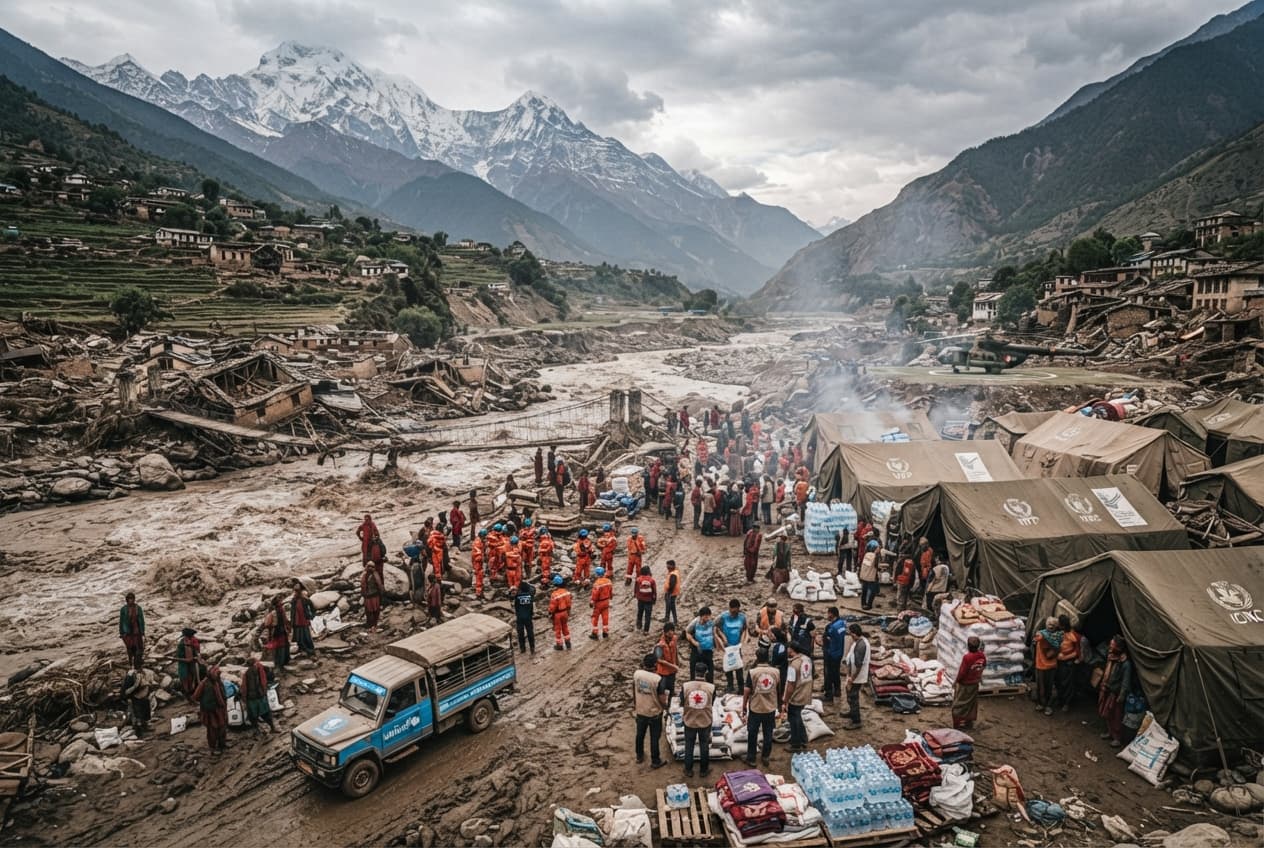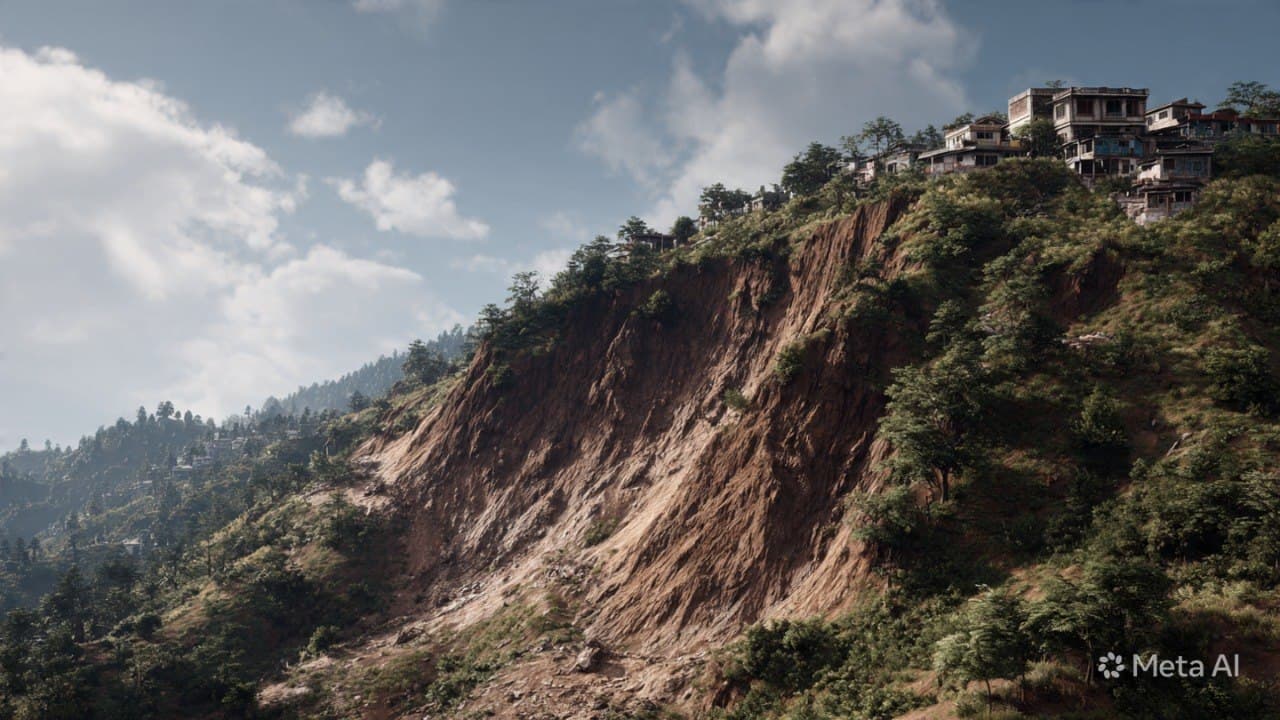
The road through the Amhara region is a ribbon of dust and stone, winding through deep gorges that have witnessed the passage of centuries. Here, the air is thin and carries the scent of dry earth, and the silence of the highlands is rarely broken except by the wind. On this particular afternoon, the landscape kept its secrets well, offering no hint of the sudden violence that would soon disrupt its ancient stillness. A caravan of aid, carrying the quiet promise of medicine and relief to distant clinics, moved slowly along the unpaved track, a solitary marker of human intention against the vastness of the plateau.
The interruption was brief, sharp, and absolute, leaving a lingering quiet that felt heavier than the mountain air itself. Armed men, emerging from the rocky creases of the hillside, brought the vehicles to a sudden halt, their demands cutting through the midday heat with a cold finality. In these spaces, where law often thins out into the geography, the white insignias of humanitarian neutrality provide little shelter against the immediate reality of steel and force. The crates of antibiotics, surgical dressings, and vital pharmaceuticals were removed with systematic haste, disappearing into the rugged terrain.
What remains after such an encounter is not just an empty vehicle or a scattered ledger, but a profound sense of vulnerability that ripples far beyond the immediate road. The drivers and aid workers stand by the roadside, their mission undone in a matter of minutes, left to contemplate the fragile thread upon which human survival hangs in the conflict zones. The stolen cargo was not mere commodity; it represented months of coordination, designed to alleviate the quiet suffering of thousands who wait in distant village wards.
In the valleys that depend on these supplies, the news travels with the slow, numbing weight of a recurring shadow. Small clinics, already running on the last boxes of basic medicine, must now stretch their resources across another week of uncertainty. Doctors and nurses work in a quiet twilight of scarcity, where the absence of a simple bandage or a course of pills determines the trajectory of a patient's recovery. The landscape, beautiful in its immense geometry of cliffs and skies, becomes a prison of distance for those who cannot access the care they need.
The incident highlights the complex topography of modern conflict, where the lines between political grievance and opportunistic lawlessness blur into a general atmosphere of insecurity. Bandits operating in the deep folds of the Amhara hills recognize the high value of medical supplies, which serve as currency in the shadow economies of protracted instability. For the humanitarian organizations trying to navigate these fractures, each journey becomes a calculus of risk, balanced against the desperate quiet of the populations they serve.
There is a quiet dignity in the way the aid workers return to their bases, their faces set in expressions of muted determination rather than defeat. They understand that the road does not belong to any single faction, but to the collective necessity of those who live at its terminus. Discussions are held in quiet offices in the larger towns, maps are re-examined, and alternative routes are weighed against the shifting patterns of local armed presence. The work does not stop; it merely becomes more cautious, more burdened by the weight of what has been lost.
As evening settles over the plateau, the long shadows of the mountains stretch across the site of the attack, covering the tire tracks in a uniform darkness. The mountains offer no judgment on the day's events, remaining as they have always been—beautiful, remote, and indifferent to the small dramas played out along their base. The stolen medicines are now scattered among hidden camps in the high peaks, far removed from the sterile shelves where they were meant to rest.
Human rights monitors based in the capital have finalized their initial investigation into the security breach along the northern transport corridors. The findings confirm that an organized militia group intercepted the humanitarian convoy, redirecting vital medical resources away from civilian health centers. Local authorities have initiated patrols along the perimeter of the highway, though the vastness of the Amhara terrain presents significant obstacles to consistent security enforcement. The humanitarian agency involved has called for immediate guarantees of safe passage, emphasizing that the denial of medical relief constitutes a severe infraction of international conventions.
Published by Banx Network. This article is part of the Banx decentralized media programme, powered by the BXE token on the XRP Ledger.