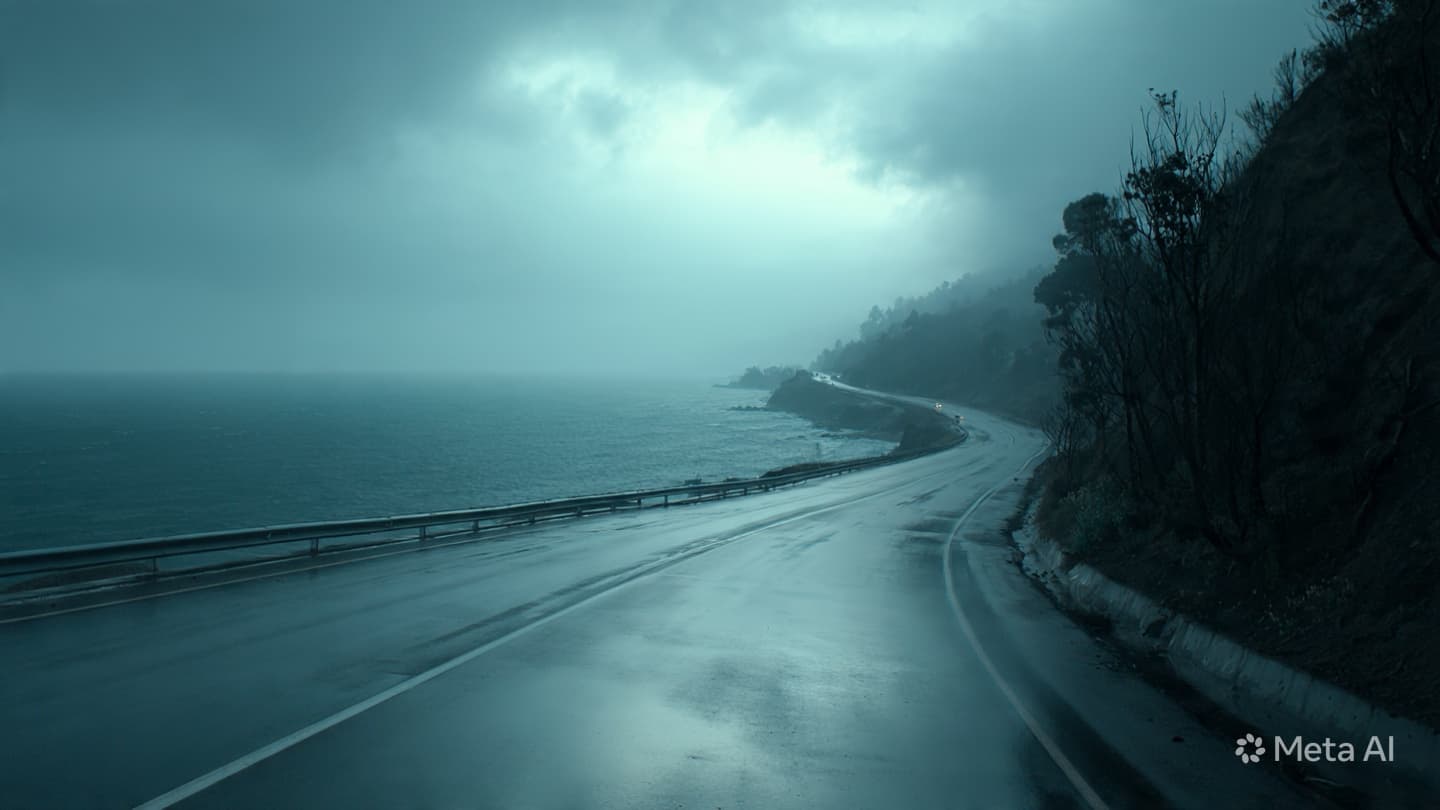
The Black Sea coast is a place where the landscape invites a slower, more contemplative pace—where the blue expanse of water meets the rugged, winding roads of the Bulgarian shore. Travelers often move along these routes with a sense of anticipation, looking toward the horizon as the road curves along the cliffside. Yet, even in this scenic corridor, the physics of the journey can change in an instant, especially when the elements conspire to make the asphalt treacherous.
A bus, laden with passengers seeking the quiet joy of the coast, suddenly found itself outside the bounds of its intended path. When the vehicle overturned on a rain-slicked highway, the rhythm of the journey was shattered. It is a disorienting experience, a moment where the mundane reality of transit is replaced by the raw, physical shock of impact and the subsequent scramble for safety.
The scene, quickly populated by the arrival of emergency vehicles, became a point of intersection for the local community and those passing through. The priority shifted immediately to the care of the 12 injured passengers, a task performed with the steady, practiced hand of those accustomed to the unpredictable hazards of the coastal route. It is in this response that the collective concern of the area finds its expression.
Such an event invites us to consider the vulnerability inherent in our movement across the landscape. We rely on the infrastructure of roads and the reliability of transport, often taking the safety of our journey for granted. When a bus slips on the wet road, it serves as a stark reminder of the delicate balance we maintain between our ambitions for travel and the unyielding conditions of the environment.
The investigation will look toward the mechanics of the accident—the tires, the speed, the nature of the slick road surface. These details are the necessary components of an official record, designed to bring structure to the chaos of the incident. Yet, they often overlook the individual, subjective experience of the passengers who were simply looking to enjoy the beauty of the coast before their plans were so abruptly altered.
As the wreckage is cleared and the highway reopens, the memory of the event lingers as a cautionary note for those who travel the route. The coast remains as beautiful as ever, but the road carries a new weight, a quiet reminder of the day when the journey took a turn for the unexpected. It is a part of the history of the highway, a small but significant marker in the local landscape.
Safety protocols will be reviewed, and new discussions about coastal driving conditions will inevitably emerge. These are the ways in which a society attempts to process such events, turning personal misfortune into public knowledge and, hopefully, into better outcomes for the future. The conversation is a necessary one, echoing the wider need for vigilance in all our travels.
Ultimately, the story of the bus accident is one of recovery and the resilience of those involved. As the passengers move through their healing, the community reflects on the importance of the roads that connect our lives. The incident serves as a momentary pause in the life of the coast, an event that compels us to appreciate the fragility of our journey and the value of a safe arrival.
Authorities have confirmed that a bus carrying tourists overturned on a highway along the Black Sea coast following heavy rain. Twelve passengers sustained injuries and received medical attention from local emergency services. An investigation into the circumstances of the accident, including the condition of the road and driver safety protocols, is currently underway by regional traffic authorities.
Published by Banx Network. This article is part of the Banx decentralized media programme, powered by the BXE token on the XRP Ledger.