Weather has always carried an element of unpredictability. It shifts, adapts, and evolves in ways that resist complete understanding. Yet there are moments when patterns begin to emerge—subtle at first, then increasingly difficult to ignore.
In Canada, forecasts for 2026 suggest a year that could rank among the warmest on record. While such projections are based on data and models, their implications extend beyond numbers. They shape expectations, influence planning, and quietly alter how seasons are experienced.
Warmer temperatures often bring a chain of effects. Snow melts earlier, water levels fluctuate, and ecosystems adjust to new conditions. These changes may appear gradual, but their cumulative impact can be significant, particularly when combined with extreme weather events.
Communities across Canada are already adapting to these shifts. Infrastructure planning, environmental monitoring, and emergency preparedness have become central considerations. The goal is not only to respond to immediate challenges, but to anticipate future ones.
At the same time, there is a broader awareness that such changes are part of a global pattern. Canada’s experience reflects a wider trend, where countries around the world are navigating similar uncertainties.
Despite this, the tone remains measured. Forecasts are approached with caution, and responses are shaped by a balance of urgency and deliberation. It is an effort to remain grounded, even as conditions evolve.
As the year unfolds, the true nature of these projections will become clearer. For now, they serve as a quiet signal—a reminder that the environment, while familiar, is continually changing.
In the end, the story is not just about temperature records, but about how societies interpret and respond to the signals they receive.
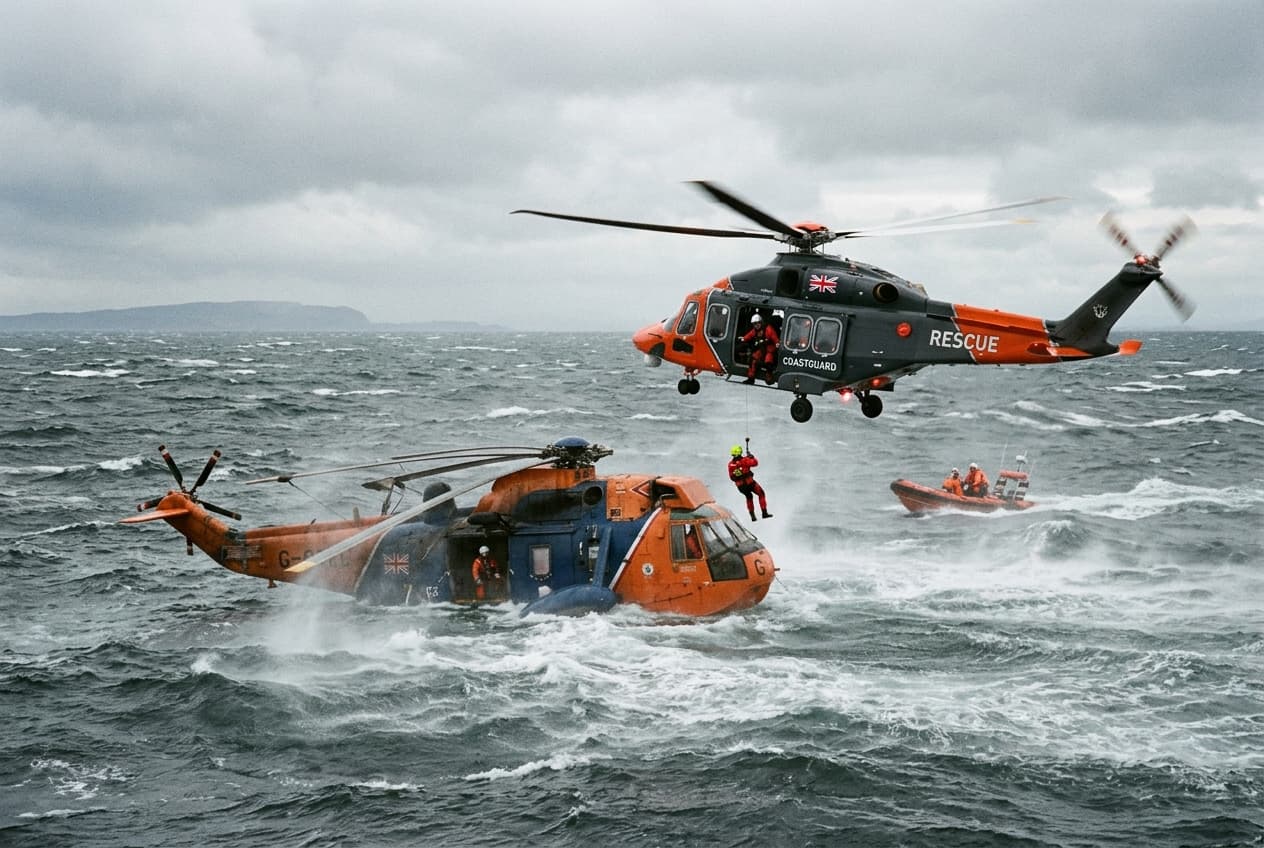
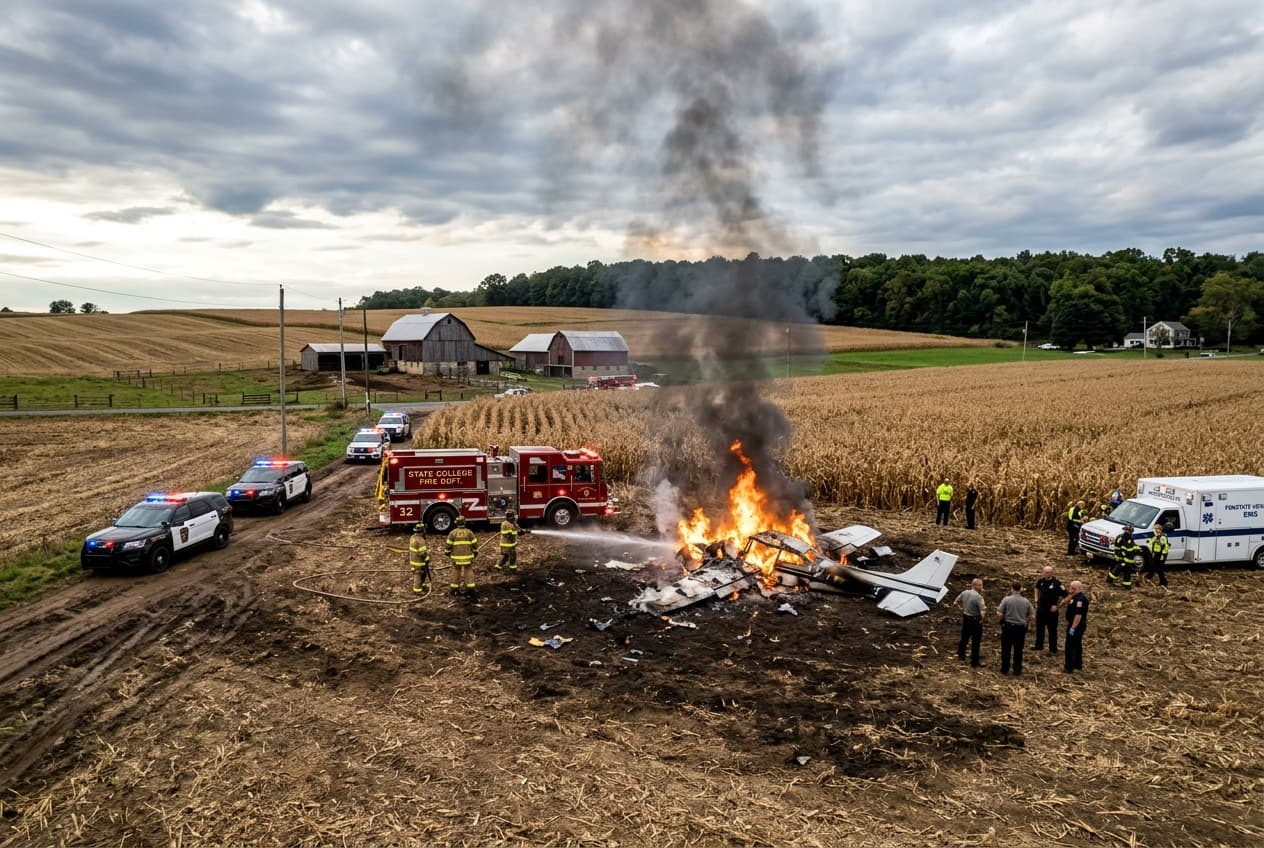
AI Image Disclaimer Visuals are created with AI tools and are not real photographs.
Sources Reuters, BBC, Financial Times, The Guardian, CBC NewsWeather has always carried an element of unpredictability. It shifts, adapts, and evolves in ways that resist complete understanding. Yet there are moments when patterns begin to emerge—subtle at first, then increasingly difficult to ignore.
In Canada, forecasts for 2026 suggest a year that could rank among the warmest on record. While such projections are based on data and models, their implications extend beyond numbers. They shape expectations, influence planning, and quietly alter how seasons are experienced.
Warmer temperatures often bring a chain of effects. Snow melts earlier, water levels fluctuate, and ecosystems adjust to new conditions. These changes may appear gradual, but their cumulative impact can be significant, particularly when combined with extreme weather events.
Communities across Canada are already adapting to these shifts. Infrastructure planning, environmental monitoring, and emergency preparedness have become central considerations. The goal is not only to respond to immediate challenges, but to anticipate future ones.
At the same time, there is a broader awareness that such changes are part of a global pattern. Canada’s experience reflects a wider trend, where countries around the world are navigating similar uncertainties.
Despite this, the tone remains measured. Forecasts are approached with caution, and responses are shaped by a balance of urgency and deliberation. It is an effort to remain grounded, even as conditions evolve.
As the year unfolds, the true nature of these projections will become clearer. For now, they serve as a quiet signal—a reminder that the environment, while familiar, is continually changing.
In the end, the story is not just about temperature records, but about how societies interpret and respond to the signals they receive.
AI Image Disclaimer Visuals are created with AI tools and are not real photographs.
Sources Reuters, BBC, Financial Times, The Guardian, CBC News
Published by Banx Network. This article is part of the Banx decentralized media programme, powered by the BXE token on the XRP Ledger.