
Water has always been a source of life, shaping landscapes and supporting civilizations for thousands of years. Yet when rainfall becomes extreme and rivers exceed their limits, the same force that sustains communities can become a serious threat. Around the world, flooding events continue reminding societies of the importance of preparation, infrastructure, and coordinated emergency response.
Recent flooding disasters in several regions have caused deaths, displacement, and significant damage to homes and public infrastructure. Emergency teams have been working to rescue affected residents, provide essential supplies, and restore access to communities isolated by rising waters.
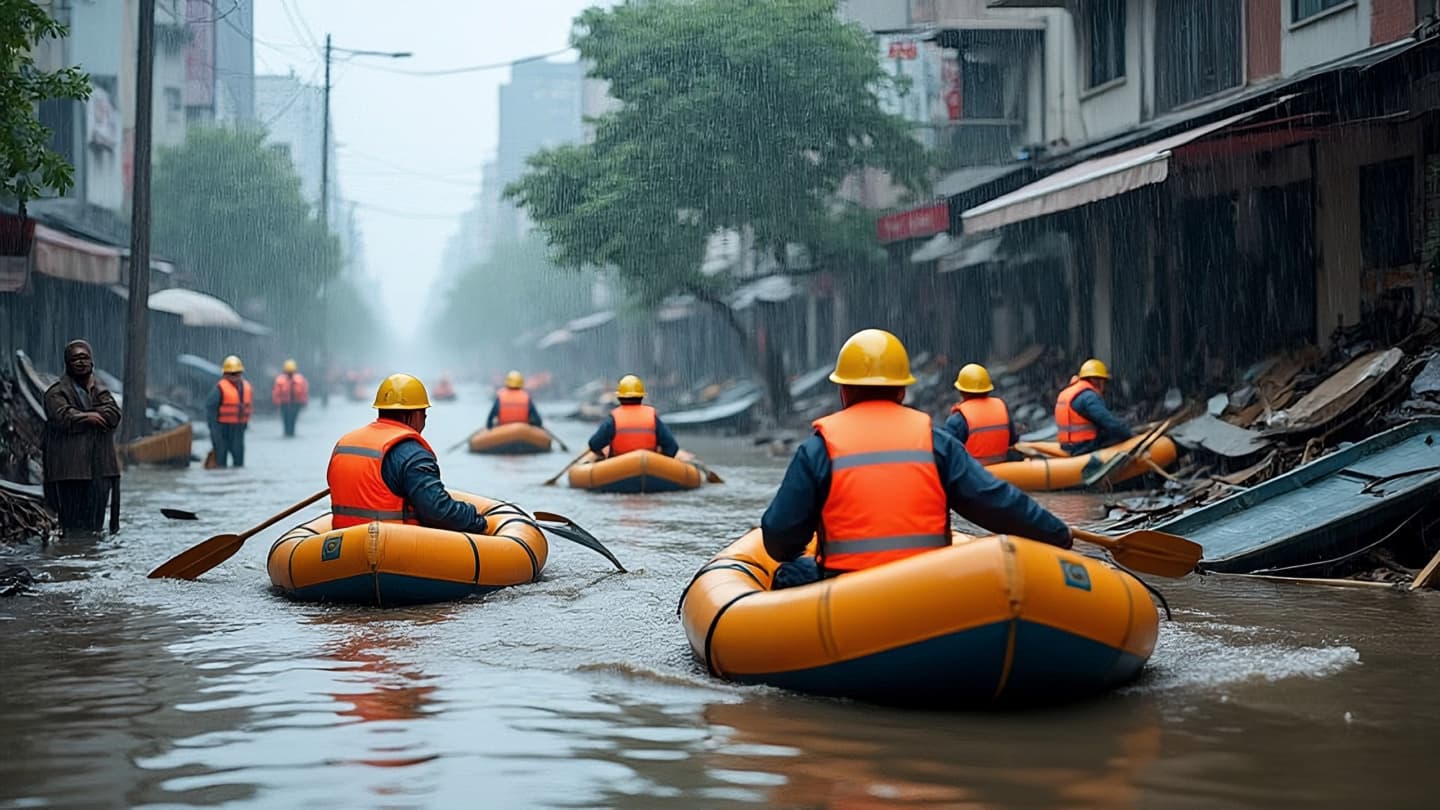
Authorities reported that heavy rainfall, overflowing rivers, and difficult weather conditions contributed to widespread flooding in affected areas. Rescue workers used boats, helicopters, and emergency vehicles to reach people trapped by floodwaters while local governments organized temporary shelters for displaced families.
Natural disasters involving water often develop quickly, leaving communities with limited time to respond. Scientists explain that flood risks are influenced by multiple factors, including rainfall intensity, geography, land development, drainage systems, and changing climate patterns.
Emergency agencies emphasize that early warning systems play an important role in reducing the impact of floods. Weather monitoring technology, improved communication networks, and community preparation programs can provide valuable time for people to move to safer locations before conditions become dangerous.
Beyond immediate rescue efforts, recovery after major flooding can take months or even years. Communities must repair damaged roads, restore essential services, rebuild homes, and support people who have experienced significant personal and economic losses.
Climate researchers continue studying how changing weather patterns may influence extreme rainfall events. While each flood has different causes, scientists are examining long-term trends to help governments improve disaster planning and strengthen infrastructure resilience.
As rescue operations continue, attention remains focused on protecting lives and supporting affected communities. Flood disasters demonstrate both the power of nature and the importance of cooperation, preparedness, and scientific understanding in reducing future risks.
AI Image Disclaimer: The illustrations accompanying this article are AI-generated representations for editorial purposes and do not depict real disaster victims or actual rescue locations.
Source Verification: Requires specific flood event/date confirmation before publication.
Sources: Reuters, Associated Press, national emergency agencies
Published by Banx Network. This article is part of the Banx decentralized media programme, powered by the BXE token on the XRP Ledger.


