In the western United States, water has long been more than a resource; it is a defining element of geography, policy, and survival. Recent discussions have centered on the possibility of water-sharing arrangements between regions facing shortages and those with comparatively stronger reserves, including San Diego and parts of the broader Western states network.
The backdrop to these conversations is a decades-long strain on regional water systems, shaped by prolonged drought conditions, population growth, and shifting climate patterns. Reservoir levels across major supply systems have fluctuated in ways that challenge long-standing allocation agreements.
San Diego’s water management system has often been cited as one of the more diversified in the region, incorporating imported water, conservation efforts, and local infrastructure investments. In contrast, several inland and neighboring regions continue to face tighter constraints, especially during dry cycles.
Water policy experts note that interstate and inter-regional agreements are rarely simple transactions. They involve layered legal frameworks, historical usage rights, and environmental considerations that extend beyond immediate supply and demand. Even when surplus exists in one area, transferring it elsewhere requires coordination across multiple governing bodies.
Environmental scientists also caution that water perceived as “extra” is often part of a carefully balanced system. Storage levels, ecological needs, and future rainfall variability all factor into what can be safely redistributed without creating downstream impacts.
Local governments exploring potential deals are weighing both economic and ethical dimensions. On one hand, water transfers could ease immediate shortages; on the other, they raise questions about long-term sustainability and equitable access across communities.
Public discussion around these issues often reflects a broader tension between short-term relief and long-term resilience. As climate patterns continue to shift, water planning in the West is increasingly moving toward adaptive strategies rather than fixed allocations.
In closing, the question of whether such a deal will emerge remains open, shaped as much by natural limits as by political will. In the quiet negotiations over water, the region’s future may be written not in abundance, but in careful cooperation.
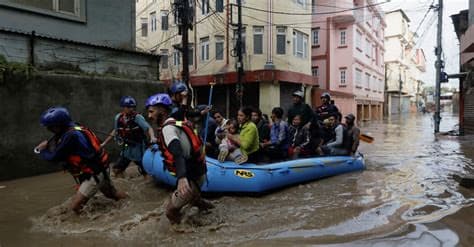
AI Image Disclaimer: These images are AI-generated artistic renderings intended for conceptual illustration and not documentary evidence.
Sources: Reuters, Associated Press, Los Angeles Times, Wall Street Journal, Bloomberg
Published by Banx Network. This article is part of the Banx decentralized media programme, powered by the BXE token on the XRP Ledger.