
Key Highlights
- Water transport in India is vital for connecting communities and supporting trade.
- Recent incidents have raised concerns about safety standards and vessel maintenance.
- Authorities are focusing on prevention to ensure secure transport systems.
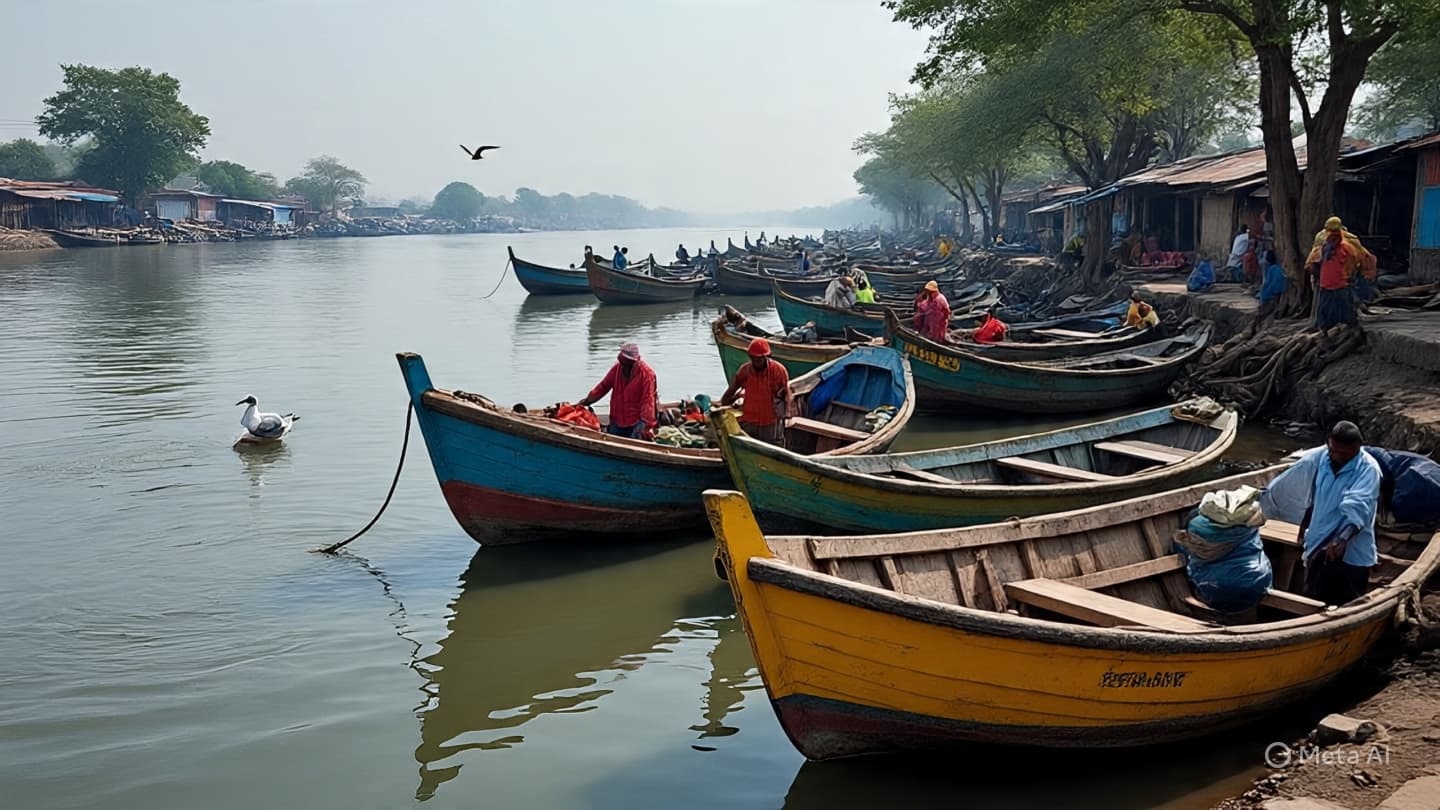
Water transport plays a crucial role in the daily lives of many communities across India, particularly in regions where rivers and urban waterways serve as essential conduits for trade and travel. Boats ferrying passengers and goods navigate these waterways, creating a vibrant tapestry of movement. However, this rhythm is often disrupted by safety concerns that arise when conditions become unpredictable.
Recent incidents involving water transport have underscored the ongoing challenges faced by authorities in ensuring passenger safety. Issues such as overcrowding, inadequate vessel maintenance, and insufficient enforcement of safety regulations have been highlighted. These challenges are not unique to a single region; they reflect a broader pattern that can be observed across various parts of the country, indicating systemic issues that require urgent attention.
For many communities living along India's rivers, water travel is not merely a choice but a necessity. It facilitates connections between villages, supports local economies, and sustains tourism. However, when the demand for water transport outstrips the capacity for oversight and regulation, risks can escalate rapidly. The lack of timely interventions can lead to tragic outcomes, as seen in recent incidents that have drawn public attention and concern.
In response to these challenges, authorities are now reviewing existing safety practices and protocols. The emphasis is shifting towards prevention, with a focus on ensuring that essential transport systems remain both functional and secure for those who rely on them daily. This includes not only improving vessel maintenance and safety standards but also enhancing the training of personnel involved in water transport operations.
As discussions around water transport safety continue, it is clear that a collaborative approach involving government agencies, local communities, and transport operators is essential. By working together, stakeholders can develop comprehensive strategies that address the root causes of safety concerns and create a more reliable and secure water transport system for all.
The ongoing dialogue around these issues is crucial, as it not only impacts the immediate safety of passengers but also the broader economic and social fabric of communities dependent on water transport. As authorities take steps to enhance oversight and regulation, the hope is that these measures will lead to a safer and more sustainable future for water travel in India.
Published by Banx Network. This article is part of the Banx decentralized media programme, powered by the BXE token on the XRP Ledger.



