There is a certain stillness that follows the hum of rotors, a pause in the air where engineering meets the instinctive trust of those who climb aboard. The V-22 Osprey, a remarkable tilt-rotor aircraft that rises and lands as if answering two different calls, has hovered in that space for nearly two decades—admired for its capability yet shadowed by persistent questions around safety. This past week, a report from the U.S. Navy laid bare a quiet truth: safety issues with the Osprey were allowed to accumulate over years, and the consequences have been measured in lives lost and lingering concern.
Commissioned in 2023 by Naval Air Systems Command, the investigation found that the risk profile of the V-22 aircraft has steadily grown since it first entered service, with the office responsible for its oversight failing to implement known fixes in a timely way. The result, the report concluded, is a platform with some of the highest catastrophic risk levels across the Navy’s aviation inventory—yet one whose issues have too often been left unresolved.
The report’s findings are sobering not merely because of technical jargon, but because of their human dimension. Between 2019 and 2023, a series of deadly accidents involving the Osprey claimed the lives of 20 service members. Some of the most serious mechanical concerns identified involve the aircraft’s complex transmission system, whose intricate gears and clutches power the unique tilt of its rotors. In one case, an imbalance in engine power led to a transmission failure that downed an aircraft and killed five Marines in 2022. In another, a brittle gearbox gear—later traced back to a manufacturing defect known for nearly two decades—contributed to a fatal crash off Japan’s coast in 2023.
More quietly, the report found that many ground accidents stemmed from inconsistent maintenance standards and human error—reminders that machines are only as reliable as the systems that sustain them. The investigation also noted that known transmission gear issues dated back to 2006 but were not formally assessed until 2024, underscoring the slow pace at which institutional awareness translated into action.
In response, Vice Admiral John Dougherty, commander of Naval Air Systems Command, emphasized the service’s commitment to improving performance and safeguarding the aircrews who depend on the Osprey. Yet the report leaves unanswered questions about accountability, and how long it will take to fully implement the fixes it recommends. Some solutions—ranging from unified maintenance practices to midlife upgrade programs for the aircraft—may stretch into the next decade.
For service members who fly and maintain these unique aircraft, the Navy’s acknowledgment of past delay may offer some sense of candor. For the families of those lost, it may raise complex feelings—gratitude for recognition, yet regret that recognition came amid tragedy. And for observers of military aviation, the report is a reminder that the balance between innovation and safety requires vigilant attention, not only when machines first take flight but throughout their operational life.
In the sky’s quiet aftermath, where the last echo of rotors fades into horizon, the Osprey remains both a technological marvel and a testament to the ongoing effort needed to align capability with care.
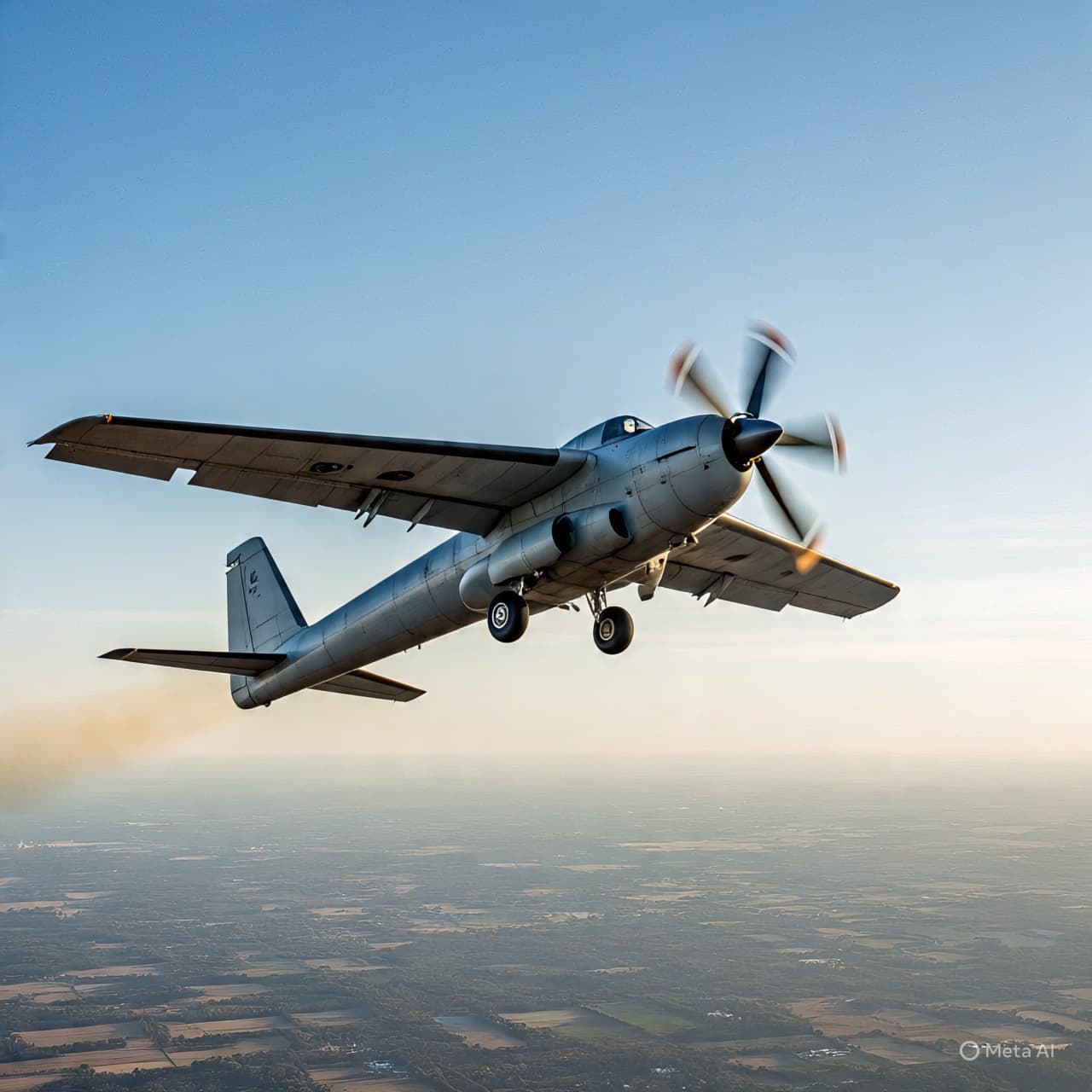
AI Image Disclaimer “Visuals are created with AI tools and are not real photographs.”
Sources (Media Names Only) Associated Press (via AP News) KPBS Public Media The Independent Times Union KSAT News
Published by Banx Network. This article is part of the Banx decentralized media programme, powered by the BXE token on the XRP Ledger.