
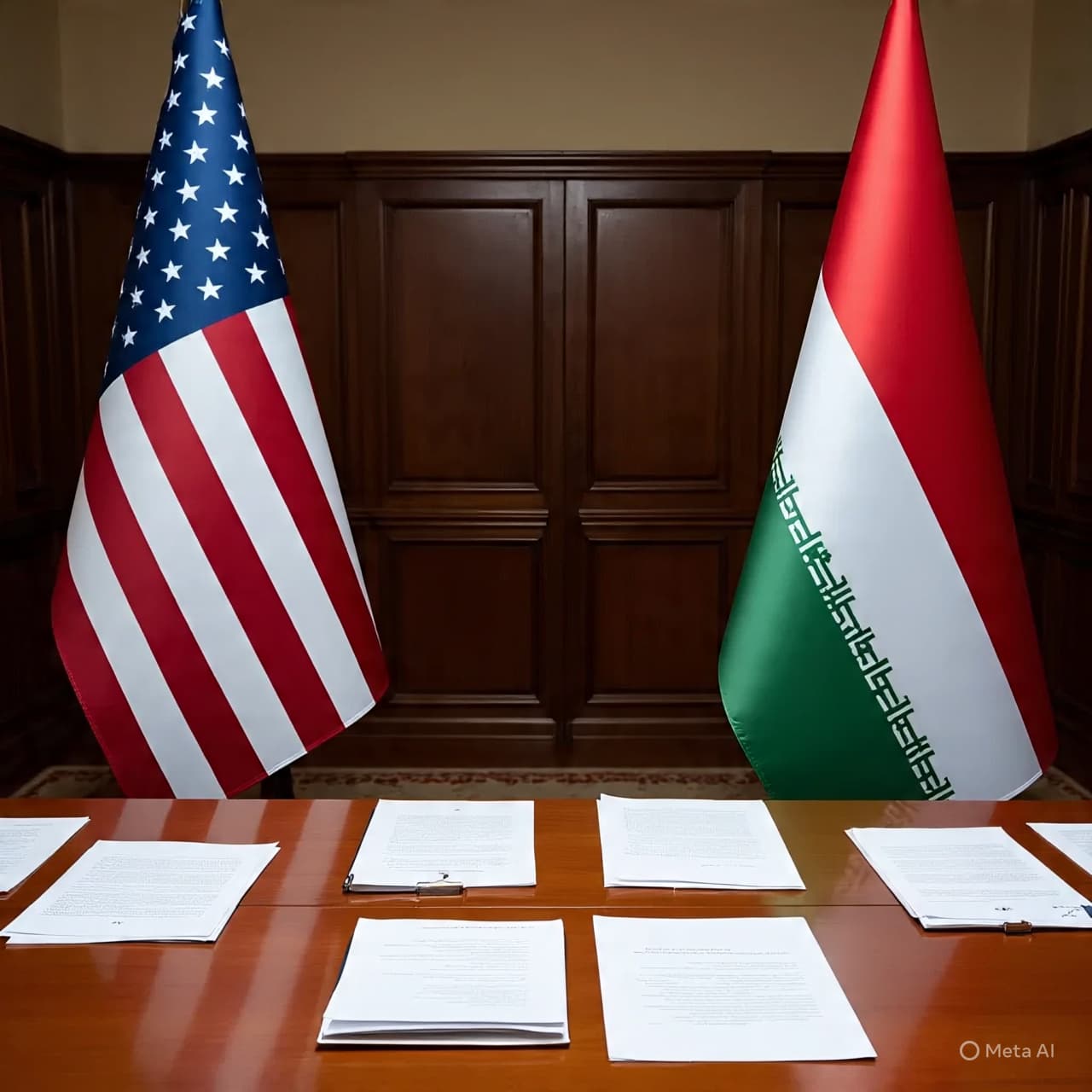
Key Highlights
- U.S. proposes a 15-point diplomatic plan to Iran amid rising tensions.
- Iran responds with skepticism, demanding counterconditions.
- The duality of military pressure and diplomatic dialogue shapes modern conflict.
The current geopolitical landscape between the United States and Iran is marked by a complex interplay of military posturing and diplomatic overtures. As tensions escalate in the Middle East, the U.S. has introduced a 15-point diplomatic proposal aimed at addressing key concerns regarding Iran's nuclear ambitions and regional influence. This proposal is not merely a gesture of goodwill; it represents a strategic recalibration of U.S. objectives in a region fraught with uncertainty.
The proposal reportedly includes measures to limit Iran's nuclear program, impose restrictions on its missile capabilities, and reduce its influence over proxy groups in the region. In exchange, the U.S. is considering sanctions relief and potential economic opportunities for Iran. This exchange is framed not as a victory for one side over the other, but as a necessary recalibration of interests that acknowledges the realities of the current conflict.
However, Iran's response has been one of skepticism. Iranian officials have dismissed the U.S. proposal as excessive and have countered with their own demands, including calls for a ceasefire, recognition of sovereignty, and compensation for past grievances. This exchange highlights the challenges inherent in diplomatic negotiations, where both sides must navigate a landscape shaped by mistrust and historical grievances.
The dual nature of this situation—where military readiness coexists with diplomatic efforts—underscores the complexity of modern warfare. Today's conflicts are not confined to the battlefield; they extend into economic and psychological realms. Diplomacy, therefore, is not a separate entity from war but rather another front in the ongoing struggle for influence and power.
As military preparations continue alongside diplomatic discussions, the language of negotiation becomes multifaceted. It serves as both an invitation to dialogue and a form of leverage, reflecting the intricate dynamics at play. Observers note that when direct military victory becomes elusive or too costly, nations often turn to negotiation as a means of transformation rather than retreat.
The reported 15-point proposal may represent a significant shift in how the U.S. approaches its objectives in the region. Rather than viewing it solely as a peace offering, it can be seen as an attempt to reframe goals in a manner that allows for sustained engagement beyond immediate conflict. However, the path to acceptance remains fraught with challenges, as trust and historical context heavily influence the negotiation process.
Ultimately, diplomacy does not guarantee resolution; it offers a pathway to potential outcomes. The success of the U.S. proposal will depend not only on its content but also on the willingness of both parties to engage constructively. As the world watches this delicate dance between war and diplomacy, the lingering question remains: can diplomacy be heard clearly enough to make a difference amid the clamor of conflict?
Published by Banx Network. This article is part of the Banx decentralized media programme, powered by the BXE token on the XRP Ledger.



