Even in times of war, some structures move slowly.
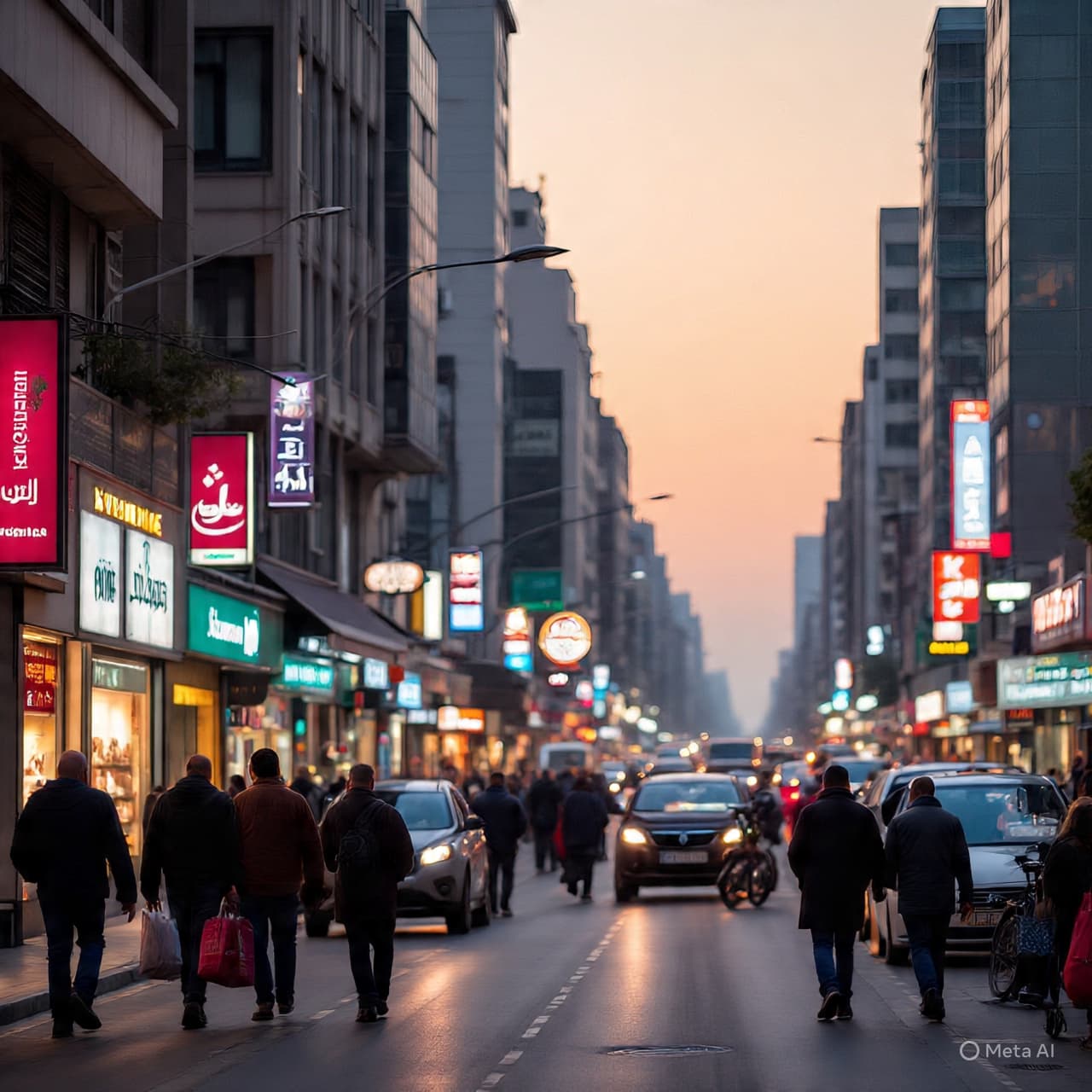
Across Iran’s cities—Tehran’s crowded boulevards, the desert highways stretching toward Isfahan, the quiet neighborhoods of Mashhad—daily life continues beneath the distant echoes of regional conflict. Markets open, buses fill with commuters, and the routines of ordinary life move forward with a rhythm that feels older than the current crisis.
It is within this quieter continuity that intelligence analysts are drawing their conclusions.
According to recent intelligence assessments circulating among Western and regional governments, even a large-scale war involving Israel and Iran would be unlikely to bring about the collapse of Iran’s political system. The report suggests that while military conflict could inflict severe damage on infrastructure and security forces, the country’s governing institutions appear resilient enough to withstand external pressure.
Such conclusions reflect a broader understanding of how power has evolved within the Islamic Republic.
Since the revolution of 1979, Iran’s political system has developed a layered structure that blends elected institutions with powerful religious and security bodies. At its center stands the office of the Supreme Leader, supported by a network of clerical authorities, political organizations, and military forces.
Among these forces, the Islamic Revolutionary Guard Corps occupies a particularly significant role. Beyond its military responsibilities, the Guard maintains influence across economic sectors and regional security operations. This combination of political authority and institutional reach has helped create a system that analysts often describe as deeply embedded within the state.
The intelligence assessment suggests that such institutional depth makes rapid regime change through external military pressure improbable.
History offers similar lessons. Over the past four decades, Iran has faced international sanctions, economic crises, and periods of intense domestic protest. Yet the governing structure has remained largely intact, adapting to internal and external challenges while maintaining core political control.
That endurance shapes how intelligence officials now view the current conflict.
Airstrikes, missile exchanges, and cyber operations may alter the military balance between Iran and its adversaries. They may disrupt logistics, damage facilities, and weaken parts of the country’s defense network. But transforming the political foundations of the state, analysts suggest, would require forces far beyond what conventional military campaigns alone can achieve.
Such assessments also carry implications for the wider region.
For policymakers considering the long-term trajectory of the conflict, the intelligence report serves as a reminder that wars often reshape landscapes without necessarily overturning governments. In many cases, institutions rooted in ideology, security networks, and historical legitimacy prove more durable than expected.
Meanwhile, inside Iran, the rhythm of daily life continues beneath the uncertainty.
In the capital, traffic still gathers each morning beneath the Alborz Mountains. University campuses remain active, and evening lights fill apartment windows across the city. These small continuities—mundane and persistent—often outlast the louder events that dominate headlines.
The intelligence assessment does not claim that Iran’s political future is fixed. History, after all, rarely moves in straight lines.
But for now, analysts say the evidence points toward endurance rather than collapse. Even in the shadow of war, the structures of power in Tehran appear likely to remain standing.
AI Image Disclaimer Images accompanying this article are AI-generated visual interpretations and do not depict actual photographs.
Sources Reuters Associated Press BBC News The Guardian Al Jazeera
Published by Banx Network. This article is part of the Banx decentralized media programme, powered by the BXE token on the XRP Ledger.