

Key Highlights
- Recent comments from a U.S. military archbishop raise ethical concerns about the ongoing tensions with Iran.
- The concept of 'just war' is rooted in ethical and theological principles that guide military engagement.
- The dialogue surrounding the morality of war continues to evolve, involving various stakeholders.
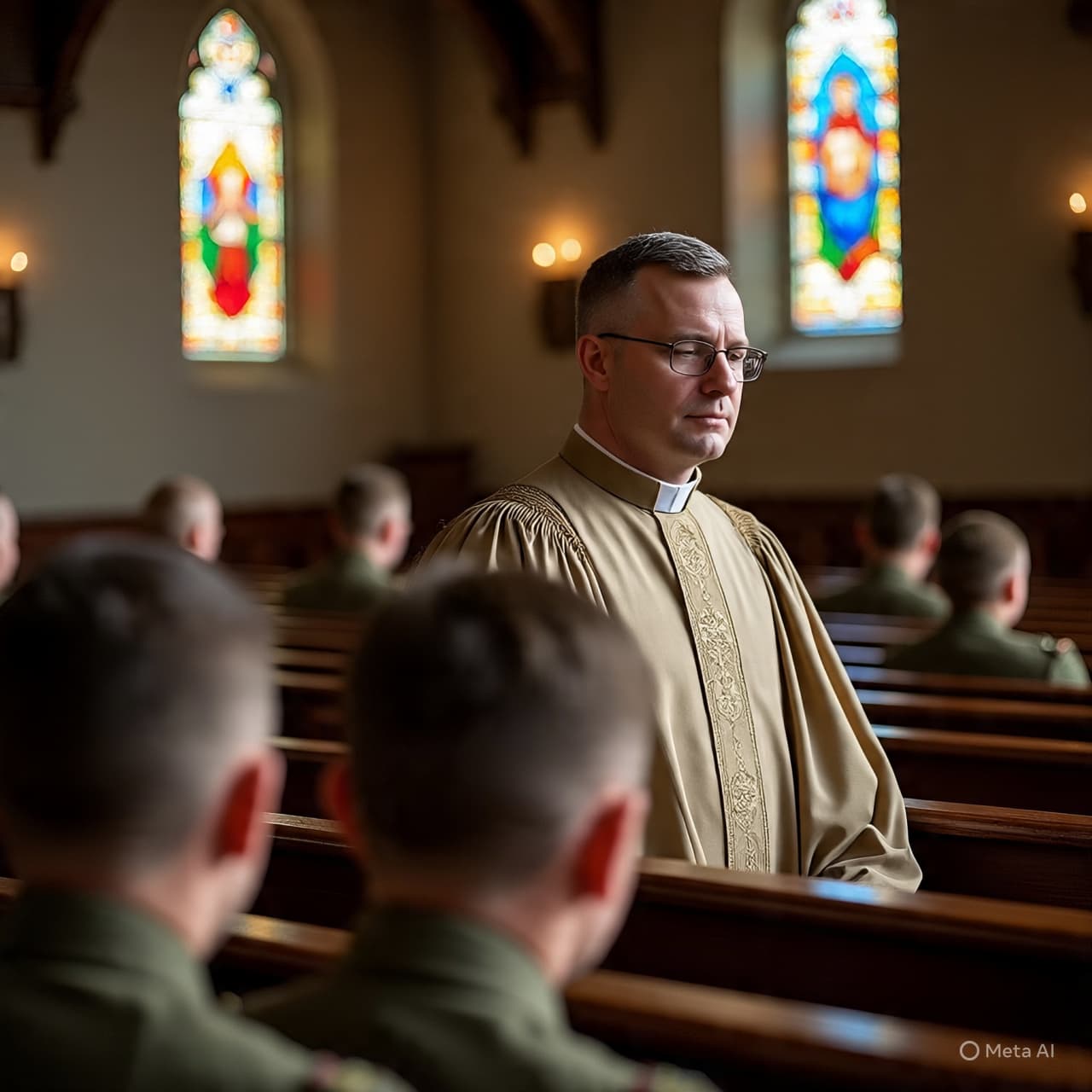
The paradox of war—fought in the name of peace yet often resulting in prolonged unrest—has been a topic of reflection throughout history. In times of escalating conflict, voices emerge from unexpected quarters, urging a reconsideration of the principles that govern military action. Recently, the U.S. military’s archbishop voiced concerns regarding the ongoing tensions with Iran, suggesting that the situation may not meet the traditional standards of a 'just war.' This perspective introduces a moral dimension to a conversation typically dominated by strategic and geopolitical considerations.
The concept of 'just war' has its roots in centuries of ethical and theological discourse. It posits that for a war to be justified, it must be based on a legitimate cause, declared by an appropriate authority, and conducted with proportional means. These principles, while ancient, continue to resonate in contemporary discussions about military engagement. The archbishop's remarks highlight the importance of these criteria, suggesting that they may not be fully satisfied in the current context of U.S.-Iran relations.
As tensions escalate, the archbishop's comments serve as a reminder that ethical considerations are intertwined with decisions of force. While policymakers focus on national security, the moral implications of military action cannot be overlooked. The archbishop's perspective resonates particularly within the military community, where personnel often grapple with the intersection of duty and personal belief. For many service members, the notion of a 'just war' is not merely theoretical; it shapes how they reconcile their roles with their values.
Historically, debates over the morality of war have emerged during nearly every major conflict. From ancient philosophers to modern theologians, the question of when, if ever, war is justified has persisted. The archbishop's remarks contribute to this ongoing dialogue, joining the voices of scholars, religious leaders, and policymakers who seek to understand conflict beyond its immediate consequences.
While the U.S. government has not directly addressed the archbishop's statement, its significance remains. The absence of an official response does not diminish the ethical questions raised by his comments. As tensions with Iran continue to evolve, the conversation surrounding justice and war may remain unresolved. However, the presence of such reflection ensures that even in uncertain times, the search for moral clarity endures.
In conclusion, the dialogue initiated by the archbishop underscores the importance of examining the ethical dimensions of military action. As the U.S. navigates its strategic objectives, the moral implications of its decisions will continue to be a critical aspect of the broader conversation about war and peace.
Published by Banx Network. This article is part of the Banx decentralized media programme, powered by the BXE token on the XRP Ledger.




