
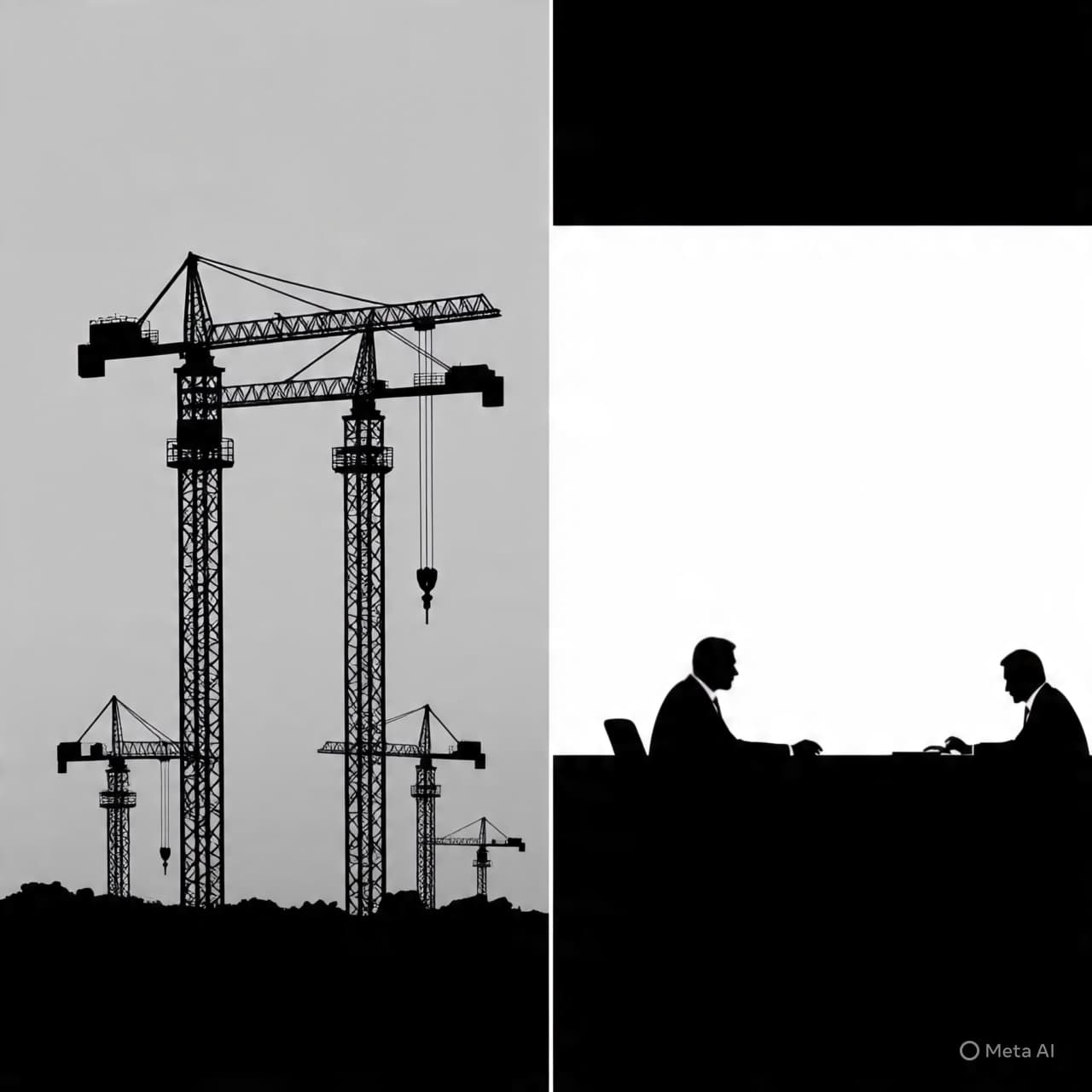
Key Highlights
- Reconstruction Focus:Iran may prioritize rebuilding infrastructure and stabilizing its economy post-conflict.
- Political Consolidation:The end of war could strengthen internal governance and military readiness.
- Diplomatic Realignment:Opportunities for renewed negotiations and security frameworks may arise.
The conclusion of large-scale hostilities often marks the beginning of a complex transition for nations involved, particularly for Iran in the context of its ongoing conflicts. As the intensity of war fades, the landscape it leaves behind is rarely the same. Cities undergo reconstruction, political systems reassess their priorities, and economic strategies shift. The end of hostilities between Iran and its adversaries would not signify a singular moment but rather the initiation of multiple unfolding scenarios.
One prominent scenario centers on reconstruction and economic recalibration. Following sustained conflict, governments typically prioritize the repair of infrastructure, stabilization of energy supplies, and restoration of trade routes. For Iran, whose economy heavily relies on energy exports and regional commerce, the immediate goals would likely include rebuilding damaged facilities and restoring market confidence. The dynamics of international sanctions could also shift based on the outcomes of diplomatic negotiations, potentially influencing foreign investment and currency stability.
Another pathway may involve intensified domestic political consolidation. Historically, periods following external conflict often lead to a temporary strengthening of internal institutions as governments emphasize unity and national resilience. In Iran's case, leadership structures might seek to reinforce strategic priorities such as military readiness, technological advancement, and regional influence while managing public expectations shaped by wartime experiences.
Diplomatic realignment presents a third possibility. After a conflict involving the United States and Israel, international engagement may transition toward structured negotiations. These discussions could encompass security arrangements, frameworks for regional stability, or renewed talks regarding nuclear oversight and verification mechanisms. Post-conflict environments often create openings for dialogue that were previously unavailable during active hostilities.
A fourth scenario involves regional recalibration. Conflicts in the Middle East frequently influence alliances, deterrence strategies, and cross-border relationships. Following war, neighboring states may reassess their defense postures, maritime security measures, and energy transit protections. The Persian Gulf’s shipping lanes, for instance, would likely remain under close international observation to ensure uninterrupted global trade.
Economic transformation could also emerge as a long-term trajectory. In some post-war contexts, countries diversify their industries, invest in domestic production, and attempt to reduce vulnerability to external pressures. For Iran, this could translate into a greater focus on technology sectors, agriculture, or regional trade partnerships, contingent on international conditions and internal policy decisions.
Despite the formal cessation of hostilities, the possibility of continued tension remains. Strategic rivalry can persist through sanctions, proxy dynamics, cyber activities, or diplomatic competition. The post-war environment might resemble a period of managed confrontation rather than immediate normalization.
Finally, humanitarian and societal recovery will likely shape the post-conflict landscape. Communities affected by airstrikes, displacement, or economic disruption will require rebuilding support systems, including housing, healthcare, education, and employment pathways. In many countries emerging from war, these domestic priorities define the pace of stabilization more than external agreements.
Each scenario depends on fluid variables: the terms of any ceasefire, the state of international negotiations, regional security guarantees, and domestic political decisions. Outcomes would not be linear but layered—economic recovery overlapping with diplomatic negotiation, institutional adjustment coexisting with public reflection.
If war between Iran and its adversaries concludes, the subsequent period would likely be shaped as much by diplomacy and economics as by military outcomes. The transition could open opportunities for engagement or settle into a prolonged phase of strategic caution.
In the quiet that follows conflict, nations often find themselves at an intersection—looking back at disruption while considering the direction forward. For Iran, the end of war would not simply close a chapter; it would begin a set of choices that could define its trajectory for years to come.
Published by Banx Network. This article is part of the Banx decentralized media programme, powered by the BXE token on the XRP Ledger.



