
Key Highlights
- U.S. allies show varied responses to military requests amid conflict.
- Domestic political pressures influence nations' military involvement.
- Ongoing tensions in the Persian Gulf affect global markets and diplomacy.
In times of conflict, alliances are often tested not only by shared interests but by the quiet calculations each nation must make. Partnerships that once appeared seamless can reveal subtle differences in pace, priorities, and perspective when the pressure of war begins to rise.
Across the Atlantic and beyond, those differences have recently become more visible. The widening confrontation surrounding Iran has drawn the attention of governments around the world, yet not all allies have responded to Washington’s calls with the same urgency or enthusiasm. U.S. President Joe Biden has openly expressed frustration with several allied nations after they declined requests for greater military participation in the conflict. In public remarks, the president criticized what he described as a lack of support from partners who have long been part of the United States’ strategic network.
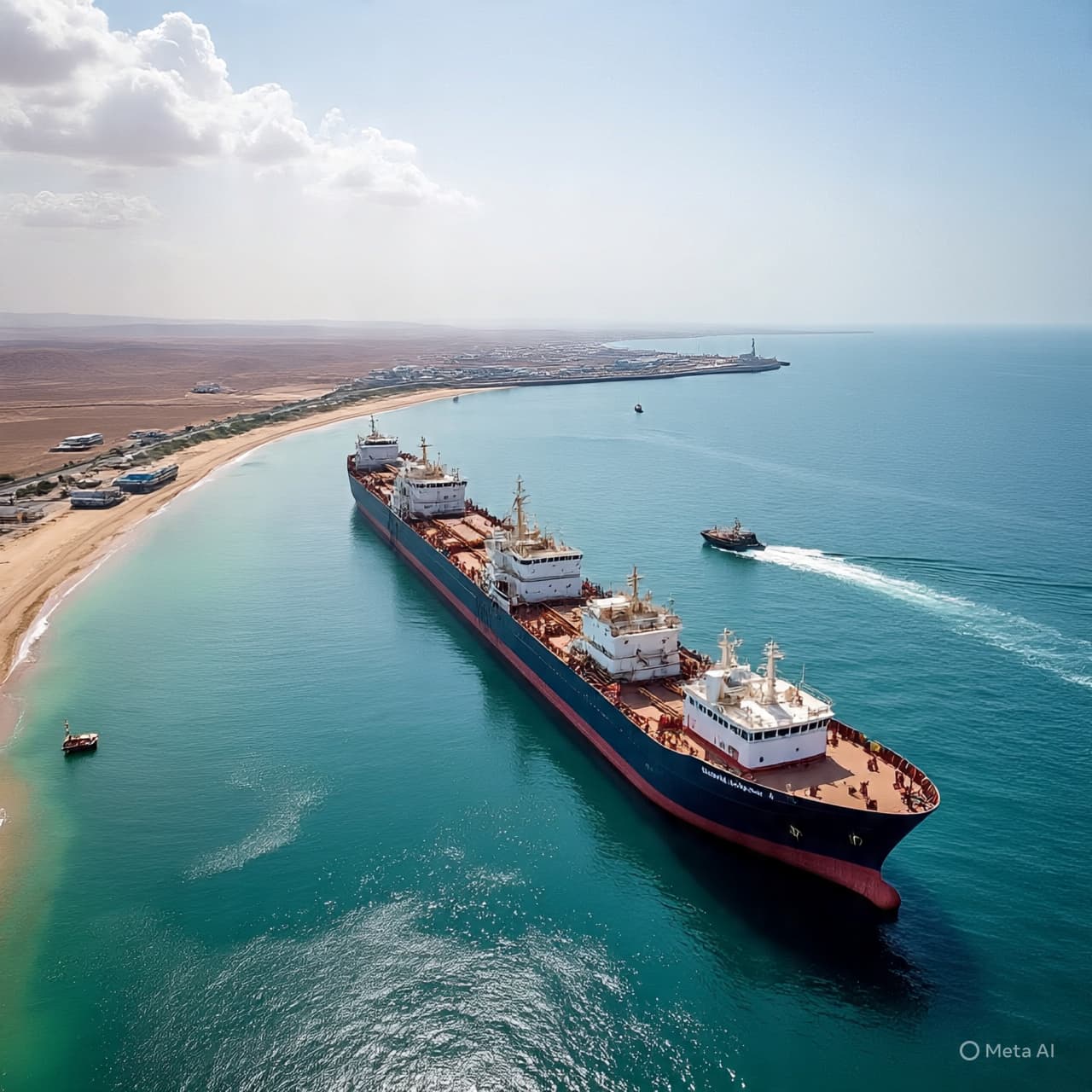
The request from Washington centered largely on military assistance related to securing vital regional routes and supporting broader operations connected to the war. In particular, the United States has been urging partners to contribute naval forces and logistical support to help stabilize conditions around key maritime corridors. However, for many allies, the decision to expand military involvement carries complex political considerations. Governments across Europe and parts of Asia have indicated that they prefer diplomatic engagement and caution over deeper participation in the conflict.
Officials in several countries have emphasized that any military role must align with international legal frameworks and domestic political consensus. Without those conditions, leaders have signaled that their involvement will remain limited. Biden’s criticism reflects Washington’s broader view that protecting international shipping routes and countering regional threats should be a shared responsibility among major powers. From the perspective of the United States, the stability of global trade routes affects the entire international community.
Yet allies facing domestic political pressures and concerns about escalation have approached the issue differently. Some governments fear that deeper participation could expand the conflict beyond its current boundaries, potentially drawing additional states or groups into the confrontation. Meanwhile, the war itself continues to evolve across several fronts. Military activity involving Iran and Israel remains active, while naval patrols and security operations have increased throughout the Persian Gulf.
The broader economic context has also intensified the debate. Disruptions to shipping and energy supplies in the region have already influenced global markets, raising concerns about prolonged instability affecting fuel prices and supply chains. Diplomatic channels remain open despite the sharp tone of recent remarks. Discussions between Washington and allied governments continue, focusing on ways to balance security concerns with efforts to prevent wider escalation.
Observers note that disagreements among allies during crises are not uncommon. The structure of international alliances often allows room for different levels of participation depending on political, legal, and strategic considerations. For now, the divide appears less about the strength of alliances themselves and more about the pace and form of involvement each country is willing to undertake.
As the conflict unfolds, the conversation among partners continues alongside the military developments shaping the region. Governments weigh risks, alliances adjust to new realities, and the wider world watches closely as diplomacy and war move forward together.
Published by Banx Network. This article is part of the Banx decentralized media programme, powered by the BXE token on the XRP Ledger.



