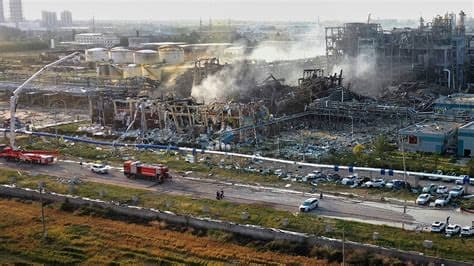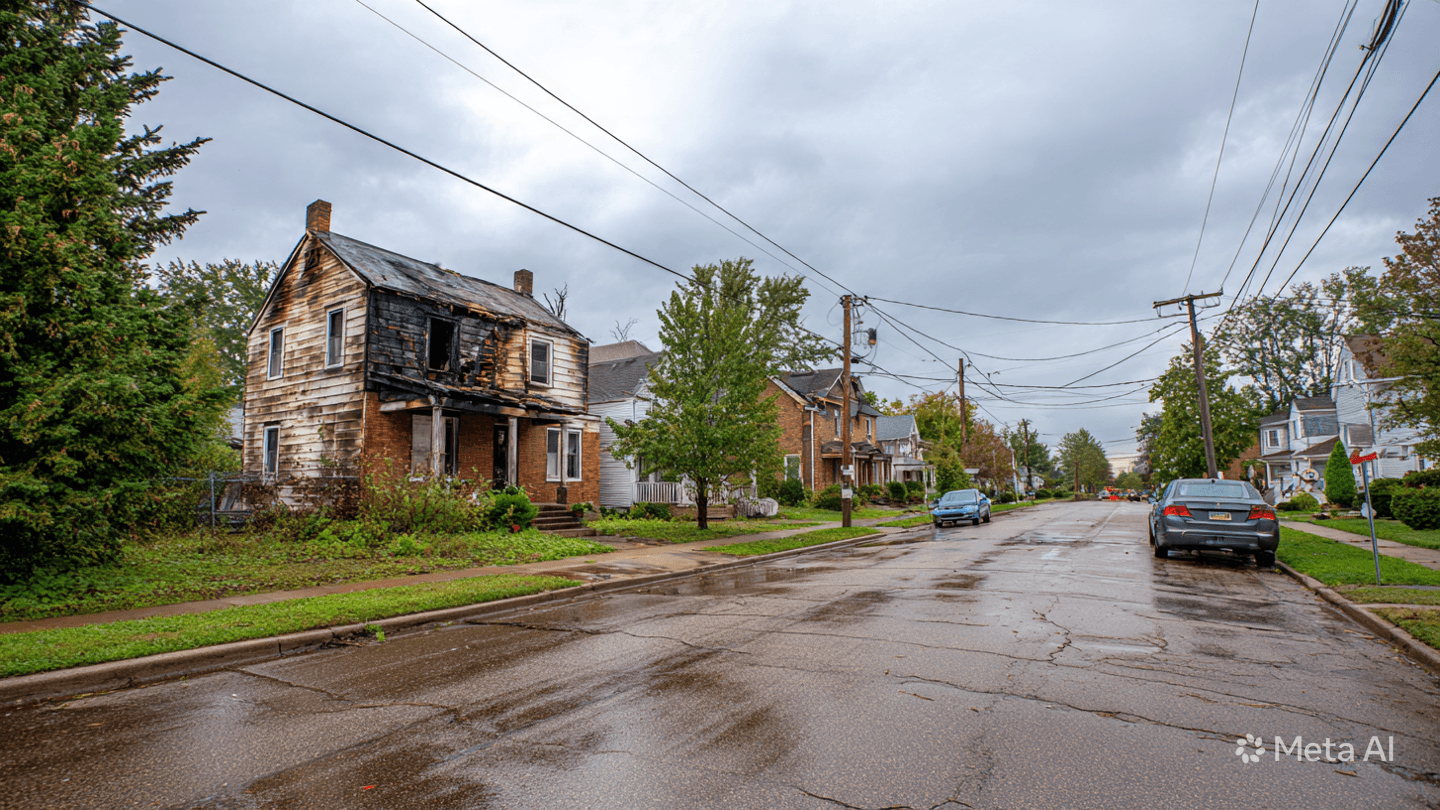
The quiet rhythm of an Ohio residential street is defined by the stability of the structures that line it—a collection of homes that offer shelter, history, and the steady anchor of daily life. This perception of permanence was violently interrupted during a recent residential fire, an event that transformed the sanctuary of a family home into a scene of intense, consuming heat. In the aftermath, the neighborhood was left to grapple with the suddenness of the loss, as emergency crews worked through the smoldering debris to recover a victim whose life was cut short by the fire’s swift and merciless movement.
When a blaze erupts within the confines of a residential space, the transition from normalcy to crisis occurs with a speed that often defies human intervention. The fire, fueled by the materials of domestic life, creates an environment of thick, obscuring smoke and volatile heat that challenges even the most practiced response. For the firefighters who arrived to face the challenge, the mission was one of urgent, methodical rescue—a race against the physics of combustion to reach those trapped within. It is a work of immense physical and emotional demand, carried out under conditions that threaten both the rescuer and the rescued.
The subsequent investigation into the origin of the blaze is a process of reconstruction, as authorities sift through the charred remnants to identify the catalyst of the event. Whether sparked by a mechanical failure, an electrical short, or a sudden, unforeseen oversight, the investigation serves to bring a clinical clarity to a moment that was, by its very nature, chaotic. For the community, the findings are secondary to the profound silence that has descended upon the street, a quiet acknowledgment of the fragility of the structures we inhabit and the risks that exist just beneath the surface of our daily routines.
There is a reflective space that opens when a neighbor is lost to such an event, a shared pause where the community confronts the vulnerability of their own homes. The tragedy ripples outward, prompting residents to evaluate their own safety—to check the integrity of their own smoke detectors and the clarity of their own escape routes. It is a necessary, albeit painful, discourse, driven by a desire to fortify the future against the return of such a sudden and absolute loss. This movement toward vigilance is a quiet, collective commitment to the sanctity of the residential space.
The emotional weight of the loss is felt deeply in the surrounding area, as friends, family, and neighbors offer their support to those affected. Memorials have begun to appear near the site, small and respectful tokens that acknowledge the life that was lost. It is a way of holding space for the grief, of affirming the human connections that endure even when the physical structure that once housed them has been reduced to ashes. The community, through its shared presence, slowly begins the process of reclaiming the normalcy of the street, though the mark of the fire remains an indelible part of their history.
As the state of Ohio continues to address the challenges of residential fire safety, the lessons from this event are being carried forward into broader public awareness initiatives. Fire departments are redoubling their efforts to educate residents on the importance of fire prevention and the swiftness with which a domestic blaze can escalate. It is a technical and social effort, intended to provide the tools for safety while acknowledging the inherent, unpredictable risks of the home. The goal is to cultivate a culture of preparedness, ensuring that the promise of shelter is never compromised by the elements.
In the quiet transition from the urgency of the recovery effort to the long, arduous process of rebuilding, the residents are finding their own way to move forward. The event serves as a point of reference, a reminder of the fragility of life and the resilience required to navigate the aftermath of tragedy. The street, now marked by the absence, becomes a site of memory—a place where the community honors the past while slowly turning their gaze toward the future. It is a testament to the strength found in the proximity of neighbors, a quiet, enduring commitment to the lives that remain.
Emergency response teams in Ohio successfully recovered one victim following a severe residential fire that engulfed a local home. Firefighters were dispatched to the scene following reports of smoke and flames, battling difficult conditions to reach the interior of the structure. The victim was located within the debris and transported to the local medical examiner’s office. The cause of the fire remains under formal investigation by the state fire marshal, and officials are currently working with the displaced family to provide support and resources.
Published by Banx Network. This article is part of the Banx decentralized media programme, powered by the BXE token on the XRP Ledger.