
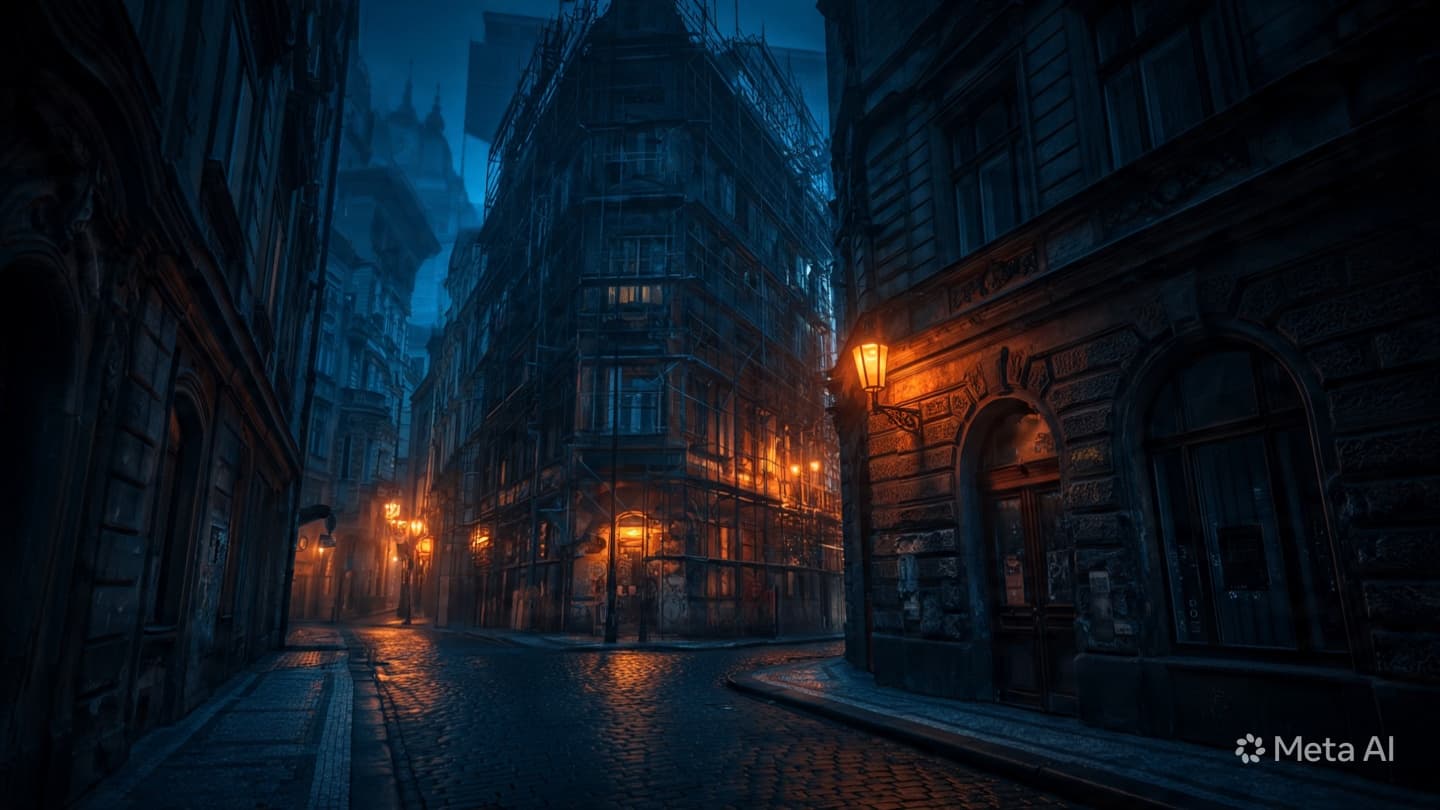
In the heart of Prague, the architectural landscape is a tapestry of centuries, where the weight of history is etched into every brick and beam of the city’s historic structures. These buildings are more than mere shelters; they are the physical records of our passage through time, requiring a delicate, labor-intensive process of renewal to ensure their survival. Yet, this restorative work, which seeks to preserve the past, occasionally encounters the violent, unpredictable reality of structural fatigue.
The recent collapse at a renovation site in Central Prague serves as a jarring, sobering interruption to the urban rhythm. A building, long considered a fixture of the neighborhood, underwent a sudden, catastrophic failure, transforming a site of preservation into a scene of industrial tragedy. The collapse was not merely a loss of material; it was the abrupt, final alteration of a human life, leaving behind a profound stillness where there was once the noise of labor and the promise of renewal.
Emergency teams arriving at the site faced the difficult, complex task of navigating a landscape of rubble—a environment where the very foundation of the building had turned against its occupants. The urgency of their response, combined with the extreme danger posed by the unstable structure, highlights the gravity of the event. It is a process that demands a high degree of technical precision, as the rescuers work to impose order on a scene defined by its profound, sudden disorder.
For the city of Prague, such incidents force a reckoning with the inherent risks of maintaining our historic heritage. We rely on these renovations to secure the future of our urban identity, but the tragedy reminds us that every such project is a high-stakes encounter with the limits of our engineering and the unpredictable state of aging stone and wood. It is a somber reminder of the human element that is often overlooked in the clinical discussion of property and preservation.
As the investigative process begins, the focus will turn to the structural integrity of the site and the protocols that were meant to guide the work. It is an exercise in seeking accountability for a failure that has resulted in the loss of a life, a process that is as much about finding answers as it is about acknowledging the systemic pressures of the construction industry. The inquiry will necessarily be thorough, parsing the details of the failure to ensure that such a rupture does not occur again.
In the neighborhood, the loss is felt with a quiet, pervasive weight. Residents who pass the cordoned-off site view it with a new, sober awareness, recognizing that the space of their daily habit has been the setting for a tragedy that defies the usual quiet of their urban lives. The collapse serves as a reference point, a moment that divides the before from the now, leaving an indelible mark on the communal identity of the area.
This incident is more than just an event; it is a human encounter that has left a physical and emotional toll. The recovery of the site and the process of returning to a state of normalcy will be a long, arduous road, one that the entire city must reflect upon with grace and diligence. The focus is now on the necessity of vigilance and the hope that, through the slow restoration of security, the community can find its way back to a sense of safety and continuity.
Ultimately, the tragedy invites a pause in our appreciation for the beauty of our historic city. It challenges us to look beyond the surface of the restoration and consider the individuals who anchor our urban fabric and the vulnerabilities they navigate in the name of our shared history. It is a call to be more present, more aware, and more committed to the protection of the lives that define the spaces we inhabit, from the smallest home to the grandest historic monument.
Authorities have confirmed that a structural collapse occurred at a historic building renovation site in Central Prague, resulting in the death of one worker. The collapse was triggered during ongoing structural reinforcements, leaving the worker trapped beneath the falling debris. Emergency services successfully secured the site, and a formal investigation is now being conducted by labor and building inspectors to determine the cause of the failure and assess the safety compliance of the renovation project.
Published by Banx Network. This article is part of the Banx decentralized media programme, powered by the BXE token on the XRP Ledger.
.jpg&w=3840&q=75 "US Declares Drought Disaster for Parts of Puerto Rico as Dry Conditions Persist")

