There is a particular weight to waiting when the word “cancer” has entered the room. Time, once measured in ordinary appointments and routine checkups, begins to feel different—stretched, sharpened, charged with uncertainty. For patients and families, each day between referral and treatment can feel like a pause held too long.
It is against this quiet strain that a Member of Parliament has called for additional support to help hospitals reduce cancer waiting times across the . The appeal reflects growing concern over backlogs that continue to challenge the , particularly in diagnostic services and specialist oncology care.
Cancer pathways are complex by nature. They involve referrals from primary care, imaging scans, biopsies, multidisciplinary consultations, and carefully sequenced treatment plans. When one stage slows, the delay can ripple through the entire system. Recent data have shown that targets for timely diagnosis and treatment are not consistently being met, with staffing shortages and high demand cited as contributing factors.
The MP’s comments focus on the need for additional resources—both financial and structural—to help hospitals expand diagnostic capacity. This may include investment in imaging equipment, recruitment of specialized staff, and improved coordination between regional health trusts. The emphasis is not on criticism, but on reinforcement: hospitals, it is argued, require stronger scaffolding to meet national targets.
Healthcare leaders have acknowledged the pressures facing oncology services. Demand has risen due to an aging population and increased awareness leading to more referrals. At the same time, workforce shortages, particularly among radiologists and oncology nurses, have placed strain on existing teams. Even incremental improvements in capacity can significantly reduce waiting lists, but such gains often require sustained funding and planning.
Patients’ advocacy groups have also entered the conversation, highlighting the emotional and physical toll of prolonged waits. Early diagnosis is widely associated with improved outcomes in many cancers. Delays can affect not only prognosis, but peace of mind. In this sense, waiting times are more than metrics—they are lived experiences.
Government representatives have reiterated commitments to improving cancer care performance, pointing to ongoing initiatives aimed at expanding community diagnostic centers and accelerating treatment pathways. The broader strategy includes investment in new technologies and training programs designed to address long-term workforce gaps.
The MP’s call adds another voice to a dialogue already unfolding in parliamentary committees and health forums. It underscores a shared recognition that while progress has been made in cancer survival rates over recent decades, timely access remains a cornerstone of effective care.
Hospitals continue to work within existing frameworks, balancing urgent cases with routine referrals, adjusting schedules, and reallocating staff where possible. Yet the scale of demand suggests that structural support may be necessary to achieve sustained improvement.
Further discussions on funding allocations and performance targets are expected in upcoming parliamentary sessions. Health officials have indicated that updated waiting time data will be published in the coming months, providing a clearer picture of trends and outcomes.
In the quiet space between diagnosis and treatment, time carries profound meaning. The call for additional support is, at its core, a call to shorten that space—to ensure that when care is needed, it arrives without undue delay.
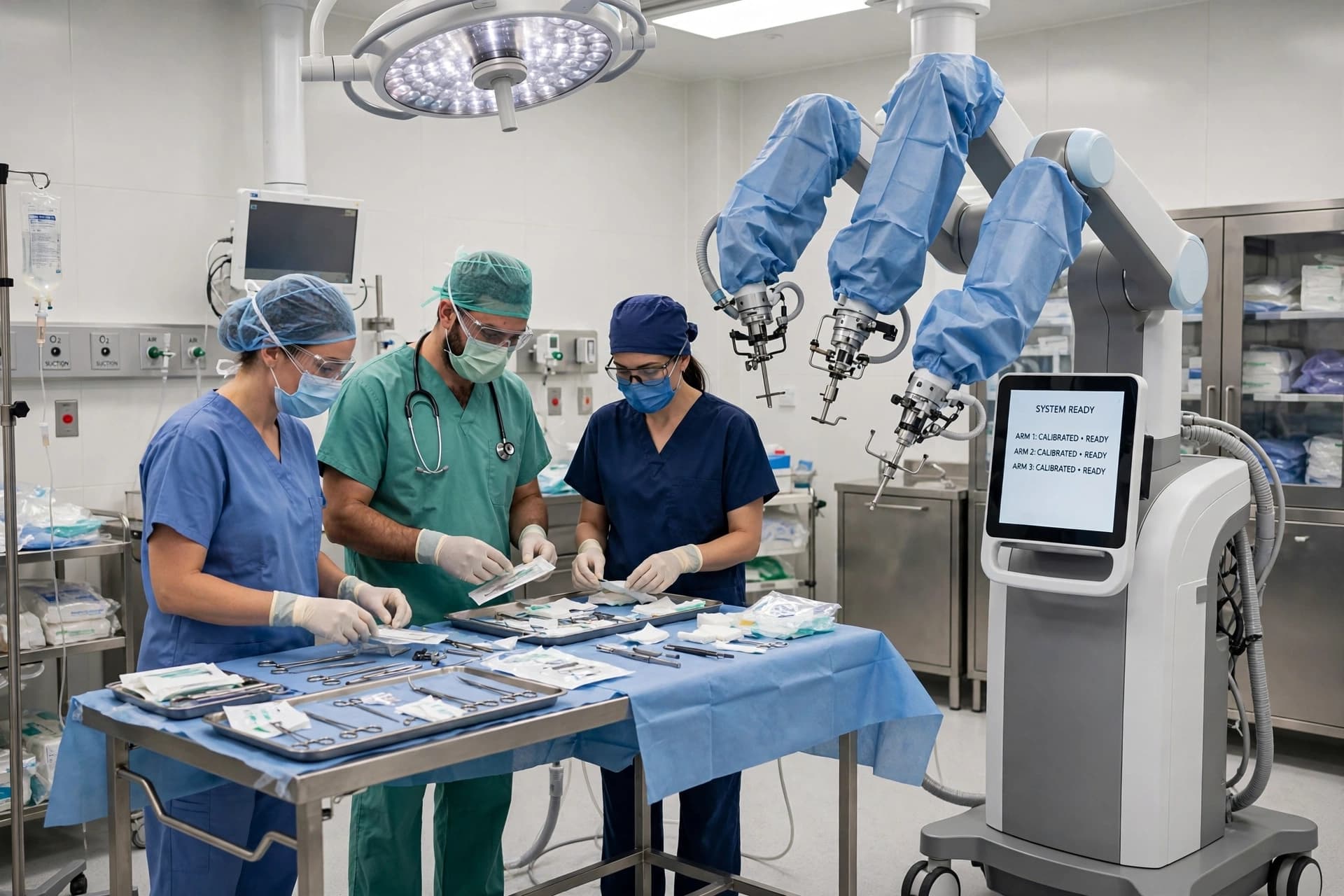
AI Image Disclaimer: Images in this article are AI-generated illustrations, meant for concept only.
Sources (Media Names Only): BBC News The Guardian The Times Sky News The Independent
Published by Banx Network. This article is part of the Banx decentralized media programme, powered by the BXE token on the XRP Ledger.