
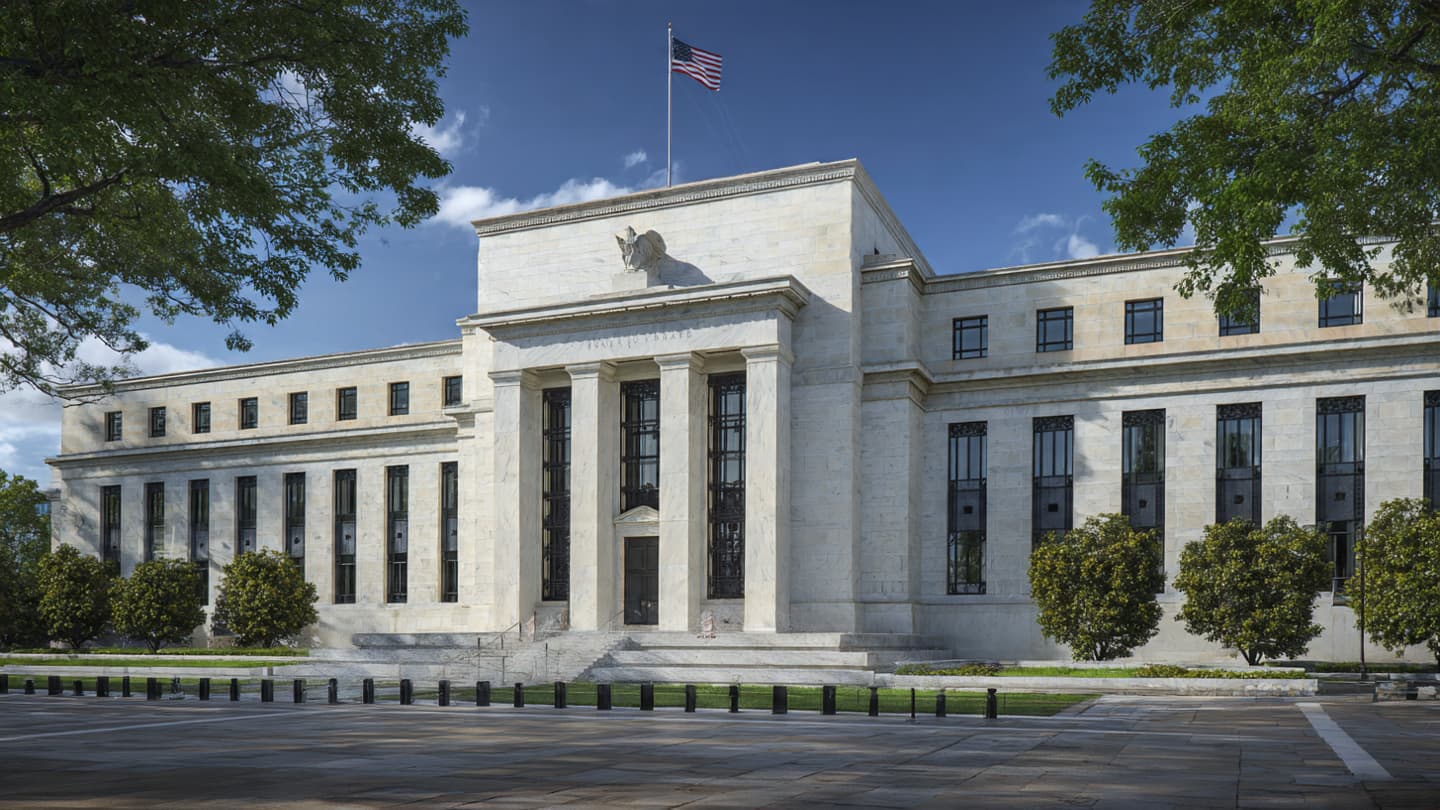
In financial markets, action often captures headlines, yet moments of restraint can be equally significant. As investors, businesses, and households look toward the Federal Reserve's latest policy meeting, expectations have largely settled around a familiar outcome: interest rates are likely to remain unchanged. While such a decision may appear uneventful at first glance, it reflects a careful balancing act at the heart of modern economic management.
Interest rates serve as one of the most influential tools available to central banks. They affect borrowing costs, consumer spending, business investment, and financial markets. A change of even a small magnitude can ripple through the economy, influencing decisions made in boardrooms, households, and investment firms across the country.
Recent years have placed extraordinary demands on policymakers. Inflationary pressures, shifting labor market conditions, and global economic uncertainty have required central banks to navigate a landscape marked by complexity rather than clarity. Each policy meeting therefore becomes an opportunity to evaluate whether current measures remain appropriate.
The expectation that rates will remain unchanged reflects signs that inflation has moderated compared with previous peaks. While price pressures have not disappeared entirely, recent data suggests progress toward greater stability. Policymakers appear interested in observing how existing measures continue to influence the economy before considering additional adjustments.
Businesses are paying close attention. Borrowing costs affect decisions regarding expansion, hiring, equipment purchases, and long-term investment. Greater predictability allows companies to plan with more confidence, particularly during periods of economic uncertainty.
Consumers also feel the effects of interest rate policy. Mortgage costs, credit card rates, and personal loans are all influenced by broader monetary conditions. For households managing budgets and financial goals, central bank decisions can carry meaningful implications.
Financial markets have largely incorporated expectations of policy stability into current pricing. Investors continue analyzing economic indicators for clues regarding future decisions, recognizing that central bank guidance often shapes market sentiment as much as policy actions themselves.
Economists note that maintaining rates does not necessarily signal complacency. Rather, it reflects a willingness to gather additional information before making significant changes. Monetary policy often operates with delays, meaning that the full effects of previous decisions may take time to emerge.
The broader economic outlook remains an important consideration. Growth, employment, consumer spending, and inflation all contribute to the policy discussion. Policymakers must weigh these factors carefully, seeking to support stability without creating unintended consequences.
For now, the anticipated decision reflects a philosophy of patience. Like a captain navigating uncertain waters, the Federal Reserve appears determined to maintain a steady course while monitoring conditions ahead. Whether future adjustments become necessary will depend on how the economic landscape continues to evolve in the months to come.
AI IMAGE DISCLAIMER Graphics are AI-generated and intended for representation, not reality.
SOURCE CHECK Reuters Bloomberg Federal Reserve Financial Times The Wall Street Journal
Note: This article was published on BanxChange.com and is powered by the BXE Token on the XRP Ledger. For the latest articles and news, please visit BanxChange.com