
Key Highlights
- The Strait of Hormuz is a crucial energy corridor for global oil trade.
- Recent developments indicate a normalization of energy trade through the strait.
- European manufacturers stand to benefit from stable energy supplies.
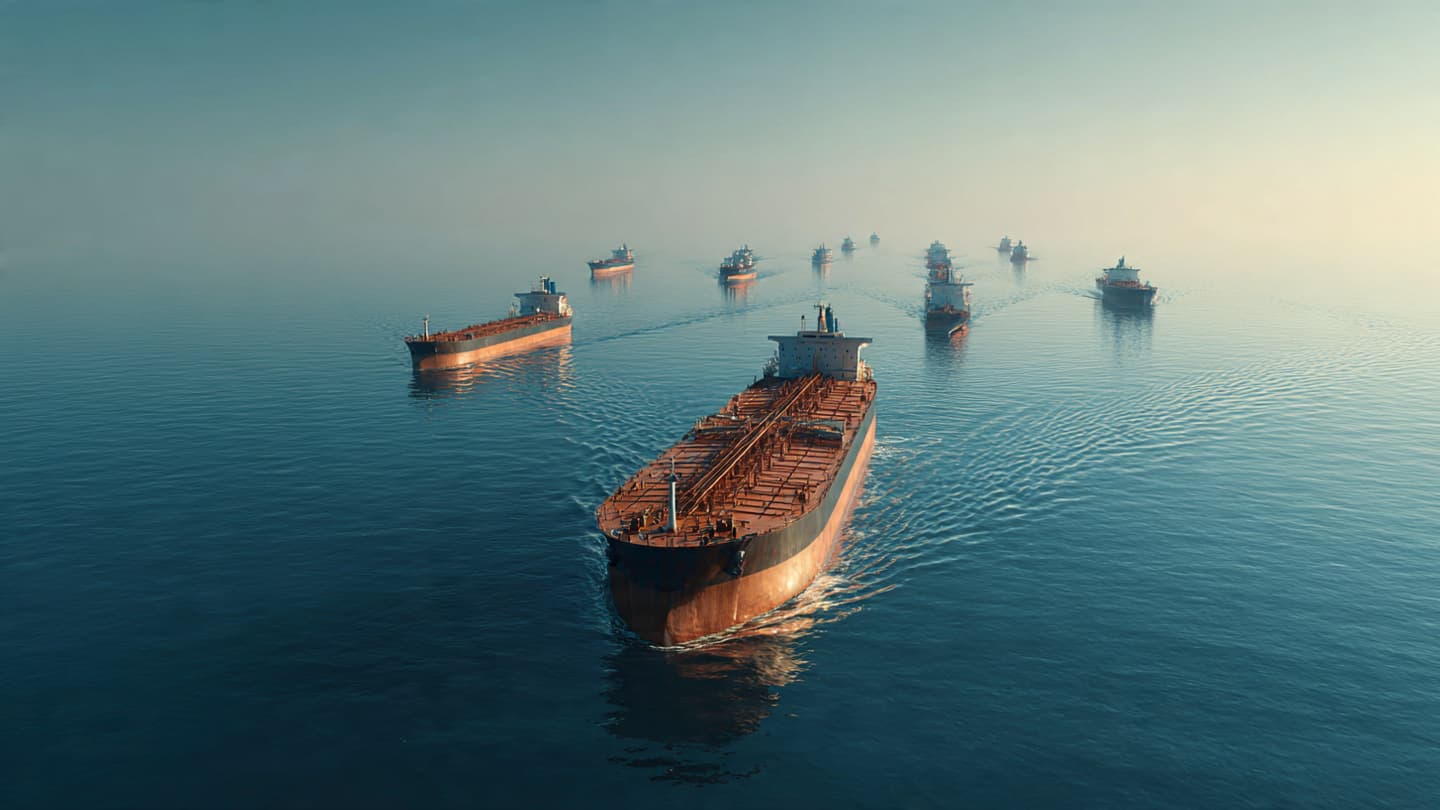
The Strait of Hormuz, a narrow waterway connecting the Persian Gulf to the Arabian Sea, plays a pivotal role in the global economy, particularly in energy transportation. Despite its modest geographical size, it is one of the most critical corridors for oil and gas shipments, with approximately 20% of the world's oil passing through it. Recent expectations of normalized energy trade through this vital route have sparked optimism among businesses and policymakers, especially in Europe, where energy supply stability is paramount.
The significance of the Strait of Hormuz cannot be overstated. It serves as a lifeline for energy resources, with tankers transporting crude oil and liquefied natural gas to markets worldwide. Any disruption in this corridor can lead to immediate repercussions, including price spikes and supply chain disruptions. As such, energy traders and industrial planners have been closely monitoring regional developments, particularly in light of geopolitical tensions that have historically threatened the stability of this crucial waterway.
In recent months, signs of normalization in the region have emerged, bringing a sense of relief to various sectors reliant on stable energy supplies. Improved confidence in shipping routes is expected to stabilize markets, reduce volatility, and foster more predictable supply conditions. This is particularly beneficial for industries that are energy-intensive, such as manufacturing and transportation, where fluctuations in energy costs can significantly impact operational planning and profitability.
European manufacturers are among those likely to reap the rewards of a more stable energy landscape. With reliable energy supplies, companies can better forecast costs and manage long-term investments. This predictability can serve as a competitive advantage in an environment where uncertainty often leads to increased operational risks. As businesses adapt to these changes, they are also investing in efficiency and diversification strategies to bolster their resilience against potential future disruptions.
The positive effects of a stable Strait of Hormuz extend beyond manufacturing. Transportation companies, logistics providers, and energy distributors all depend on efficient global trade routes. When critical corridors like the Strait of Hormuz function smoothly, economic activity can proceed with fewer interruptions, leading to lower risks and enhanced growth prospects.
Financial markets have reacted favorably to the prospect of improved stability in energy supplies. Investors often view reliable energy flows as a key indicator of economic health. Reduced concerns about potential disruptions can foster a more optimistic outlook regarding future business conditions, encouraging investment and growth across various sectors.
However, experts caution that the global energy landscape remains interconnected and sensitive to change. While the normalization of trade through the Strait of Hormuz is a positive development, ongoing vigilance is necessary. Historical trends in energy markets demonstrate how quickly circumstances can shift, underscoring the need for continuous monitoring of international conditions.
In conclusion, the prospect of smoother energy flows through the Strait of Hormuz offers a welcome sign of stability for global commerce. It highlights the importance of not only factories and financial centers but also the pathways that connect them. When these pathways remain open and reliable, the benefits can extend far beyond immediate borders, influencing economies around the world.
Published by Banx Network. This article is part of the Banx decentralized media programme, powered by the BXE token on the XRP Ledger.



