There are seasons in civic life when the air feels charged — not with certainty, but with a quiet anticipation, as though something large looms just beyond the horizon of public thought. Voters today often speak of priorities — the economy, the cost of living, democracy’s future — with a clear sense that these matters matter deeply. Yet beneath that clarity lies a gentler, more nuanced truth: knowing what the next big issue is and understanding how one feels about it are not always the same thing.
Across the nation, people articulate concerns about affordability, health care costs, jobs, and political direction with a kind of rhythmic inevitability. In recent surveys, economic anxieties such as the cost of health care stand out as top concerns for many, with voters saying they will impact their choices at the polls. Likewise, worries about inflation and broader cost-of-living pressures have emerged as defining themes of public conversation, resonating across diverse demographic groups.
In California, for example, nearly half of residents see the economy, cost of living, and inflation as the foremost challenge facing their community, even as pessimism about the nation’s direction weaves through political affiliations. And on a national scale, poll results show that a significant share of Americans feel uncertainty about how to respond to the political and economic landscape, indicating that many voters are wrestling with the feel of the issue as much as its fact.
This dynamic, where clarity about the topic coexists with ambiguity about personal stance, speaks to a broader evolution in public engagement. People may identify health care costs, the economy, or the future of democracy as major touchpoints in their civic awareness — but they often lack a settled framework for how to weigh these concerns against each other or translate them into firm judgments about candidates and policy prescriptions. Even as voters identify issues, many express uncertainty about how to judge political leaders’ handling of these same concerns — an ambivalence reflected in low approval rates and widespread dissatisfaction with leadership.
Similarly, public opinion research has noted that while many voters want change — whether economic, political, or social — they are not always confident about what kind of change is possible or how to achieve it. This duality — clear in issue recognition but less clear in emotional or evaluative terms — suggests that public sentiment is shaped by both concrete experience and an undercurrent of uncertainty.
Understanding this interplay can be as important as knowing which topics top the latest poll. It reminds us that voters are not merely data points, but people processing complex realities — economic pressures, political narratives, and the daily swirl of life — through both reason and intuition. Their assessments may evolve, just as their personal circumstances do, and their sense of urgency about a problem does not always translate immediately into conviction about solutions.
Recent polling underscores this pattern: while many express concern about issues like health care costs and the economy, substantial portions of the electorate also report uncertainty in how they feel about political leaders and the direction of public policy. This nuanced engagement reflects both the challenges of modern political discourse and the deep thought that individuals bring to their civic choices.
Experts suggest that addressing this gap — between knowing what matters and understanding how one feels about it — may grow central in political campaigns and civic dialogue in the months ahead. Clearer communication, grounded information, and respectful engagement could help voters not only identify priorities but also articulate the values and judgments that drive their choices.
In the days ahead, as campaign rhetoric rises and headlines focus on election contests, these patterns of public sentiment — clarity about issues paired with evaluative uncertainty — will likely shape how voters think about candidates and policy agendas. Current surveys show that concerns about economic and cost-of-living issues remain high, while trust in political leadership and confidence in democratic institutions vary widely among different groups of voters.
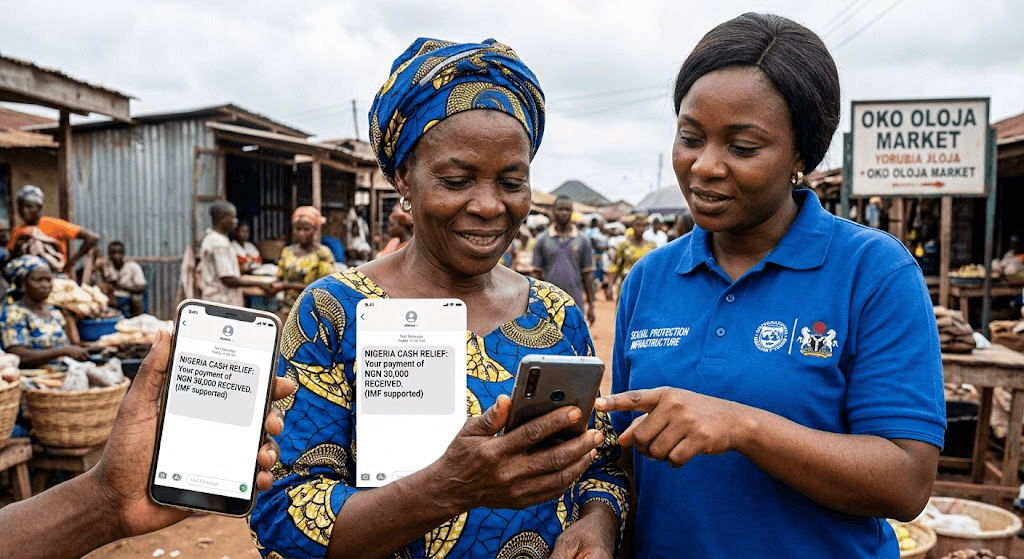
AI Image Disclaimer Visuals are created with AI tools and are not real photographs.
Sources PBS NewsHour The Washington Post KFF PPIC Pew Research Center
Published by Banx Network. This article is part of the Banx decentralized media programme, powered by the BXE token on the XRP Ledger.