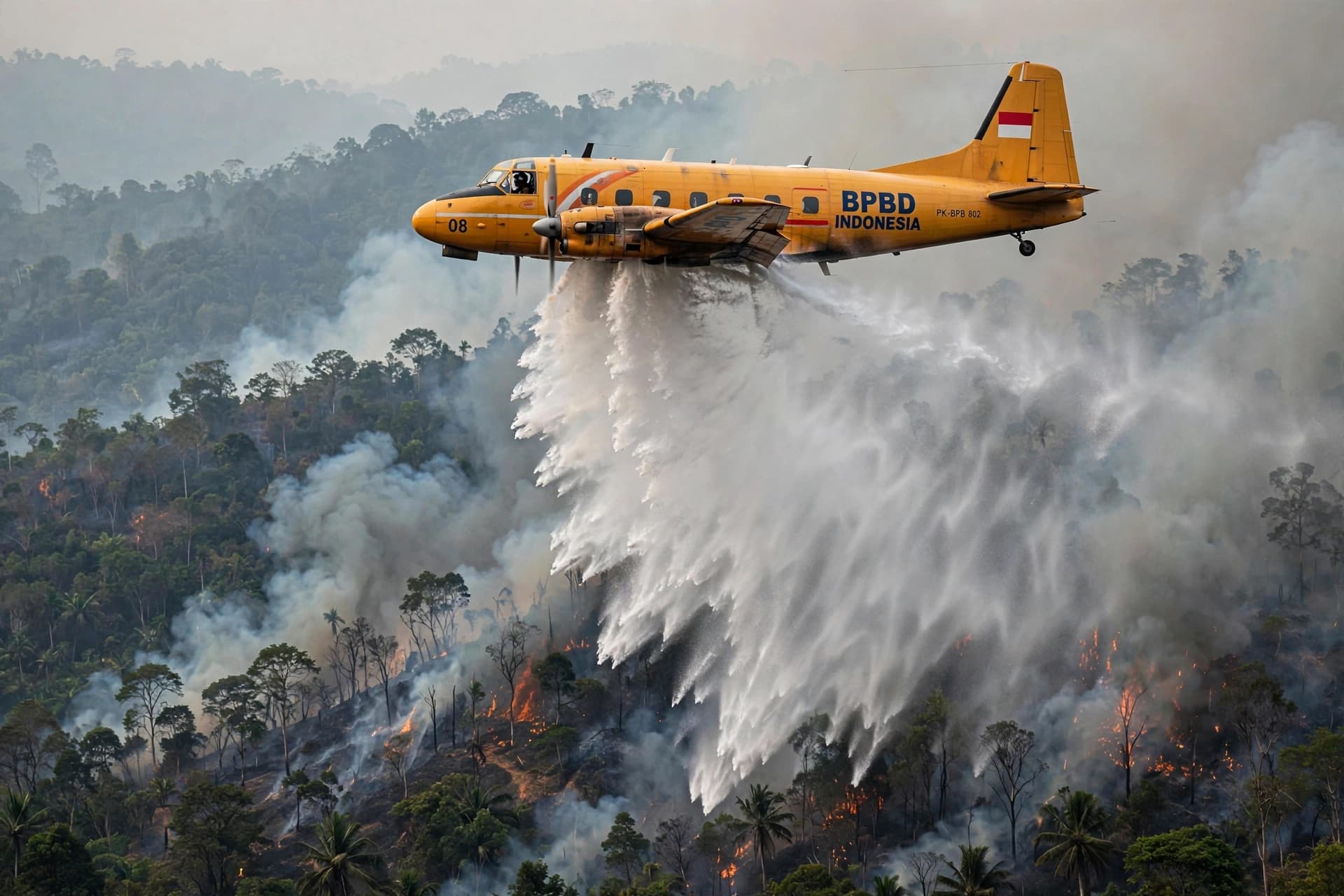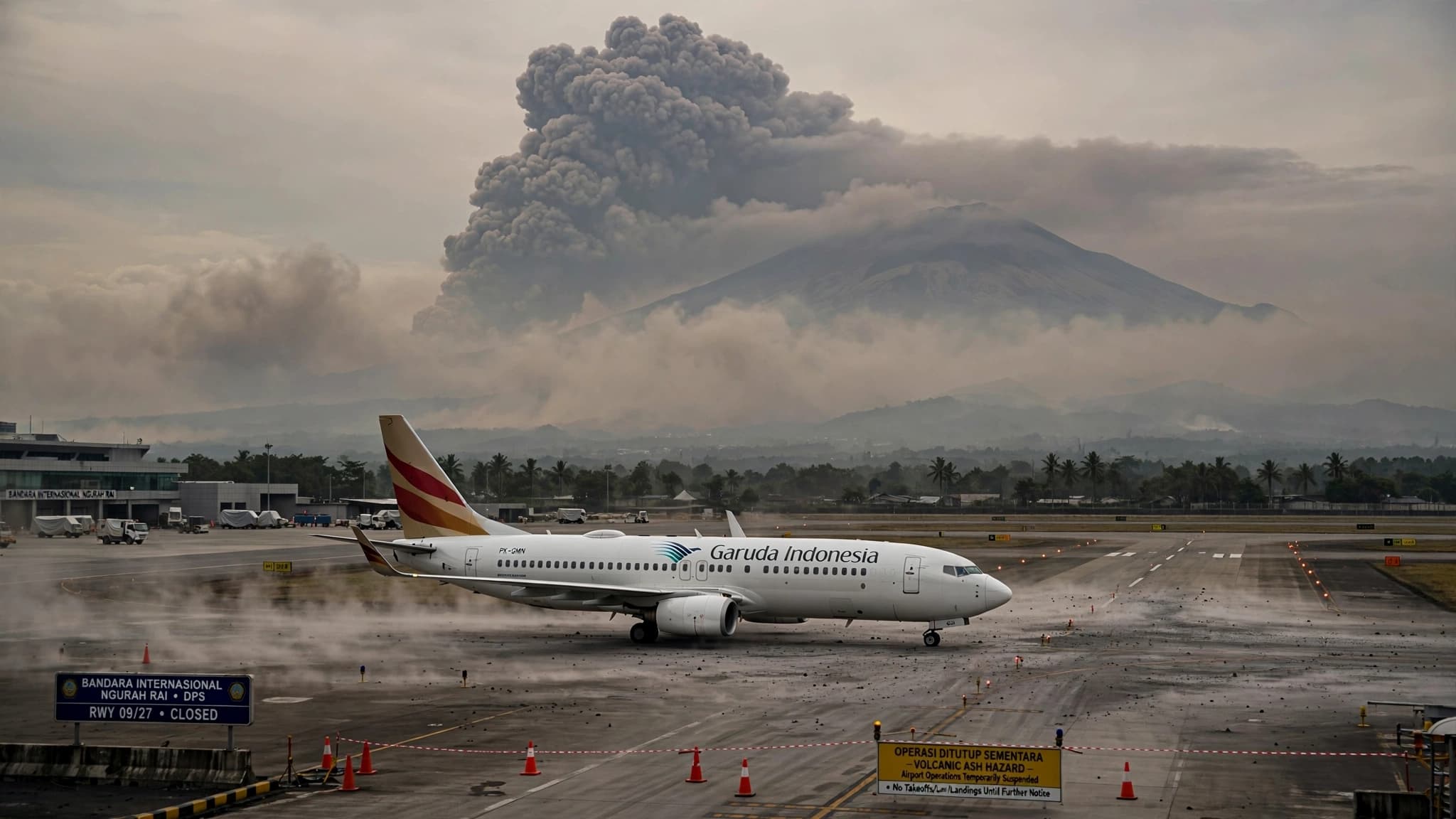
The eruption of Mount Anak Krakatau sent a broad cloud of volcanic ash across parts of Indonesia on September 7, forcing seven airports to remain closed and disrupting thousands of journeys. The closures included Soekarno-Hatta International Airport and another airport serving Jakarta.
The ash cloud reached altitudes of up to 50,000 feet in some areas, creating a significant hazard for aircraft. Volcanic ash can damage aircraft engines and reduce visibility, making its presence in flight paths a serious operational concern.
Around 341,000 travelers were affected by the disruption, while nearly 3,000 flights were cancelled or delayed. Airlines and airport operators had to adjust schedules as authorities monitored the movement and concentration of ash.
The disruption followed an eruption that began late on September 4. On September 6, eight airports were initially affected, with more than 1,500 flights and around 170,000 passengers disrupted at that stage of the event.
Jakarta's Soekarno-Hatta Airport was among the most affected facilities. Its closure temporarily interrupted one of the country's most important air transportation hubs, creating a ripple effect across domestic and international flight schedules.
Passengers faced delays, cancellations and changes to their travel arrangements. Airlines also had to manage aircraft and crews that could not operate according to their original schedules, adding another layer of complexity to the disruption.
Authorities responded by monitoring the volcanic ash and its movement while taking steps to restore airport operations once conditions improved. Weather-modification efforts were also used in an attempt to help clear ash from affected areas.
By September 8, all airports previously closed because of the ash had reopened as winds cleared the affected areas. Authorities nevertheless continued inspections, including checks on 178 aircraft that had been grounded during the disruption.
The reopening restored the country's aviation network, but the episode demonstrated how quickly a volcanic eruption can move beyond the immediate area surrounding a volcano. Ash rising high into the atmosphere can reach major transportation corridors and affect cities hundreds of kilometers away.
Anak Krakatau remains one of Indonesia's active volcanoes, and authorities have continued monitoring its activity. For Indonesia's aviation sector, the episode served as another reminder that volcanic activity and air transportation remain closely connected in a country shaped by one of the world's most active geological zones.
Image Disclaimer:
Visuals are AI-generated and serve as conceptual representations of the volcanic eruption and airport disruption.
Sources:
Reuters ANTARA News
Published by Banx Network. This article is part of the Banx decentralized media programme, powered by the BXE token on the XRP Ledger.