For several hours, the movement of air travel across Indonesia was shaped by something that could not be seen from every airport terminal: volcanic ash suspended in the atmosphere. After conditions improved and ash began to clear, Jakarta’s airport and four other airports were reopened, allowing flights to gradually return to their schedules.
Volcanic ash presents a serious challenge to aviation because it can affect aircraft engines, visibility, navigation, and other critical systems. Even when the ground appears calm, ash in the air may create conditions that require airports and airlines to act cautiously.
Indonesia’s geography makes such disruptions especially significant. The country is connected by a vast network of islands, and air travel plays an important role in linking major cities, remote communities, businesses, and tourism destinations.
When airports close, the effects can extend beyond delayed flights. Passengers may miss connecting journeys, cargo shipments can be interrupted, and hotels, transportation providers, and local businesses may experience unexpected changes in demand.
The reopening of airports therefore represents more than the return of aircraft to the sky. It also marks the gradual restoration of movement for people and goods. Yet reopening decisions depend on more than the disappearance of visible ash. Aviation authorities must assess weather patterns, air-quality conditions, runway safety, and updated volcanic information.
Airlines may still need time to reorganize their operations. Aircraft and crew schedules can be disrupted when flights are canceled or diverted. Even after an airport reopens, passengers may experience delays as carriers work to clear accumulated demand.
Volcanic activity is a recurring reality in Indonesia, a country located along the Pacific Ring of Fire. Communities have developed different ways of responding to eruptions and ashfall, but each event presents its own conditions and uncertainties.
The situation also highlights the importance of communication. Passengers depend on timely updates from airports, airlines, and authorities. Clear information can help travelers make decisions, reduce confusion, and understand why some flights may remain delayed even after operations officially resume.
For local communities, the reopening of airports can bring a sense of relief. Families can continue journeys, goods can move again, and the familiar sound of aircraft may return to the sky. Still, the presence of an active volcano remains a reminder that normal routines can be interrupted by forces far beyond human schedules.
As Indonesia’s aviation network gradually returned to service, the clearing sky offered a temporary opening between disruption and recovery. The runways were ready again, but the broader landscape continued to demand attention, patience, and respect for the unpredictable movement of nature.
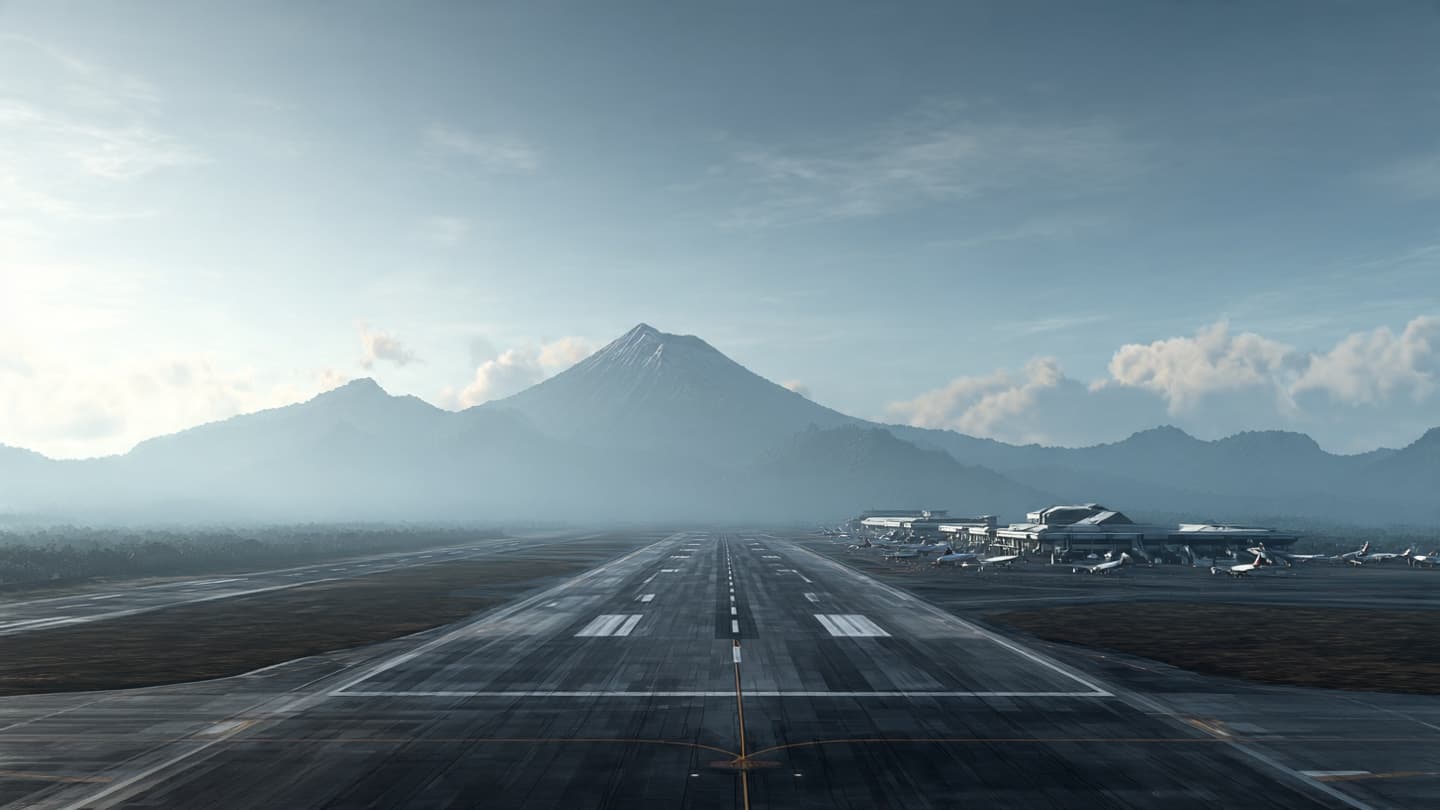
AI IMAGE DISCLAIMER: The illustration accompanying this article is AI-generated and is intended for editorial visualization only. It does not represent an actual airport closure, volcanic eruption, aircraft, or official news photograph.
SOURCES: Reuters Indonesian aviation authorities Indonesian disaster management authorities
Published by Banx Network. This article is part of the Banx decentralized media programme, powered by the BXE token on the XRP Ledger.