Opening:
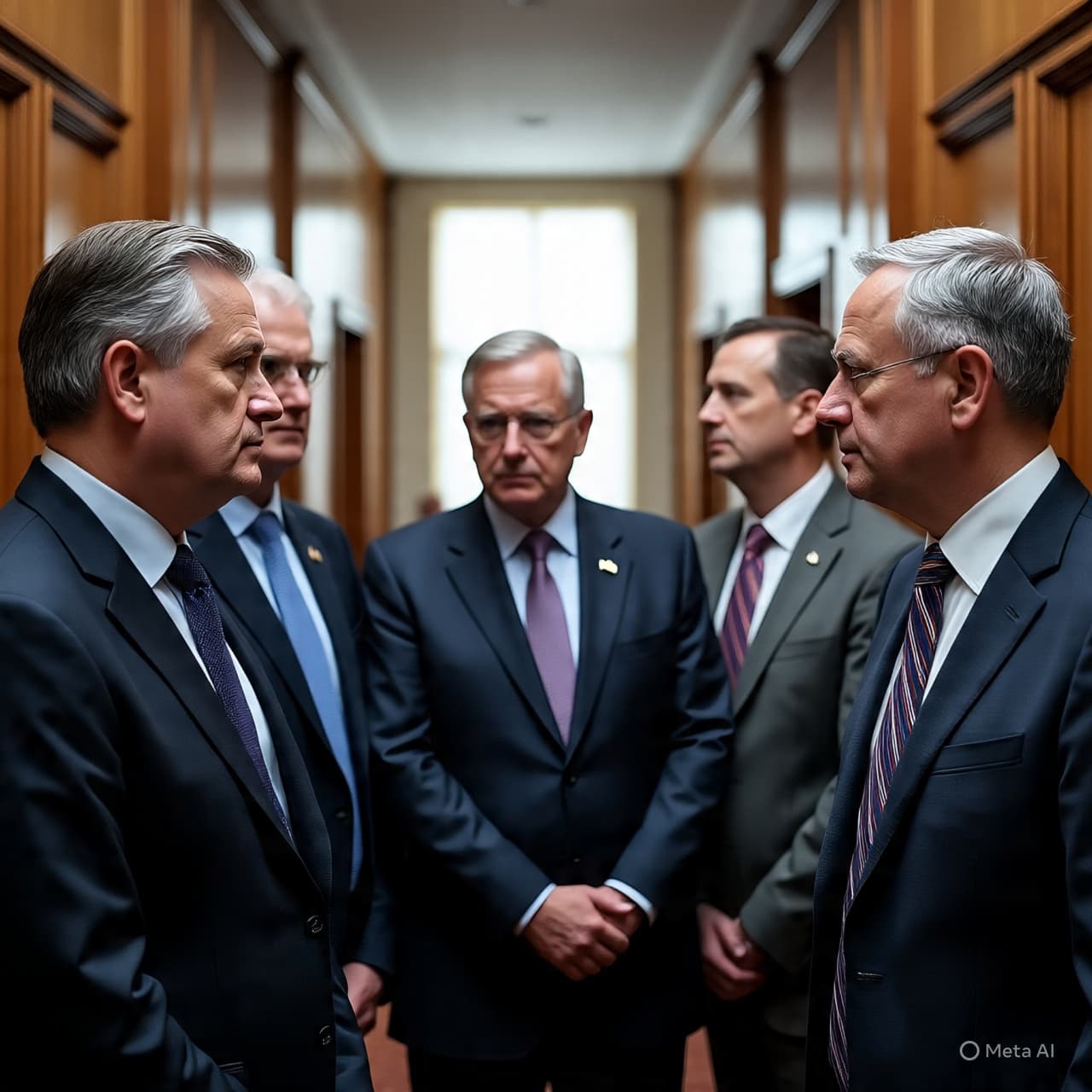
In the corridors of Canberra, where ideas often glide softly along marble and glass, there are moments when the hum of consensus is interrupted by a sudden, discordant note. Politics at its best is a conversation among many voices; at its most delicate, it is akin to a garden of shifting shadows — where sunlight and shade chase one another across the lawn. In recent days, that interplay has surfaced not between government and opposition alone, but within the ranks of the opposition itself, as Sussan Ley navigates her party’s stance on Prime Minister Anthony Albanese’s sweeping omnibus legislation a bill shaped in the wake of a national tragedy and intended, in its architect’s vision, to bind the nation closer together. Yet in the theatre of negotiation, unity has proved elusive, and internal strains have become as visible as the bill’s bold ambitions.
Body:
The omnibus bill encompassing reforms to hate speech laws, gun regulations, visa powers and anti-extremism measures was introduced by Albanese’s government as a response to the Bondi Beach terror attack in December. Its framers speak of a tapestry woven from urgent threads: national security, social harmony and legal clarity. Yet, as with any complex weave, the strands can twist unexpectedly.
Opposition Leader Sussan Ley, who once stood with colleagues calling for immediate action and a recalled parliament, now finds herself in the difficult position of uniting a diverse caucus around a clear response. What began as a shared call for stronger legislative action has shifted, in Ley’s words, to concern that the proposed bill is “pretty unsalvageable” in its current form. Her criticism reflects worries about breadth, clarity and potential unintended impacts — notably on freedom of expression and the broad scope of new offences.
Within the Liberal–National Coalition however, unity has been hard to sustain. Several members have signaled they will break ranks or vote according to conscience, rather than strictly follow leadership direction. Some shadow ministers voice unease about elements of the bill they perceive as overbroad; others focus on the expedited timetable for parliamentary consideration. Such internal variation has, in turn, diluted Ley’s ability to present a single, cohesive alternative or negotiating stance.
Beyond internal dissent, there is broader political friction as the Greens and certain civil liberties advocates push for extensions of hate protections to additional groups, while others argue that the legislation doesn’t adequately address the root causes of extremist violence. Meanwhile, Albanese’s government maintains that the bill though rushed is necessary to address pressing national concerns and will be open to sensible amendments.
For Ley, this juncture is a test of leadership not only in opposition to government policy but in managing the varied convictions of her own parliamentary cohort. The question before her is not simply one of policy agreement or disagreement, but of whether a unified approach is feasible on laws that touch on the most emotive aspects of public life: speech, safety and identity.
Closing:
As Canberra prepares for another sitting of parliament next week, the atmosphere resembles a calm before a storm of debate and amendment. The proposed omnibus legislation has become a focal point for discussion about national values and legislative process alike. Whether Sussan Ley can reconcile her party’s internal differences into a coherent position remains to be seen, and the outcome will shape not only the fate of this bill but the broader political dynamic in Australia’s federal parliament in the months ahead.
AI Image Disclaimer Images in this article are AI-generated illustrations, meant for concept only.
Sources (listed) ABC News, The New Daily, National Tribune (from The Conversation), The Australian, news.com.au.
Published by Banx Network. This article is part of the Banx decentralized media programme, powered by the BXE token on the XRP Ledger.