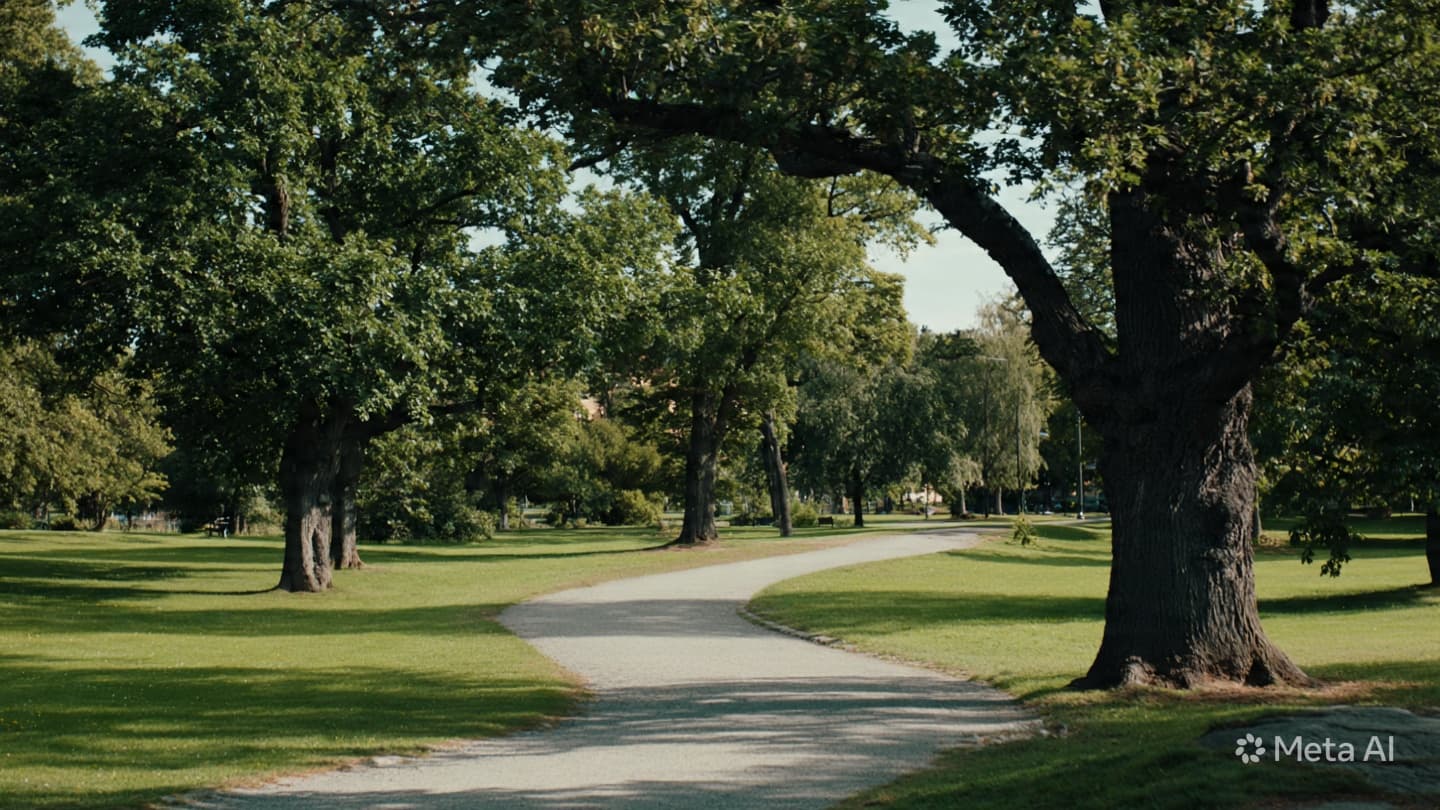
The public parks of Stockholm, where the architecture of the city meets the expansive, refreshing greenery of the landscape, are the lungs of the capital. They are places of leisure, of quiet reflection, and of the casual, serendipitous interactions that define urban life. When the tranquility of such a space is shattered by a fatal stabbing, the dissonance is absolute. It is a sudden, visceral interruption of the social order, a moment that forces the city to reckon with the vulnerability of its most open, shared spaces and the dark undercurrents that can, on occasion, emerge into the light of day.
The presence of police in the park, their movements measured and intense, creates a startling contrast with the usual, rhythmic flow of recreation. The scene is cordoned off, the familiar paths now off-limits, serving as a solemn, somber stage for the investigation into the crime. For those who frequent the park, the event is deeply unsettling; it transforms a place associated with ease and connection into a site of inquiry and, ultimately, of profound, lingering sadness. The detainment of a suspect for questioning provides a step toward resolution, but the psychological impact remains.
Stockholm, a city known for its safety and the organized, thoughtful nature of its public life, often operates with an assumption of security that is deeply embedded in the culture. The stabbing acts as a stark, disruptive reminder that no space is entirely beyond the reach of human discord. It forces a momentary, quiet contemplation of the shadows that can persist in the edges of the city, and the importance of maintaining a collective awareness of the safety and the well-being of everyone who shares these essential, public environments.
The investigation itself is a clinical, methodical response to an emotional, irrational act. The police work to piece together the sequence of events, to understand the motivations, and to ensure that the perpetrator is brought to justice. It is a necessary, fundamental function of the city, a process that seeks to reclaim the integrity of the park and to provide the community with the assurance that the laws that govern their society are being upheld, even in the wake of such a tragedy.
There is a sense of communal sorrow that begins to pervade the district. Residents, faced with the reality of a life taken in the very space where they walk their dogs or enjoy the afternoon sun, must grapple with the fragility of their local environment. It is a realization that the park is not a static, protected island, but a dynamic, vulnerable part of the city, subject to the same pressures and the same complexities that exist in the broader, urban tapestry.
Reflecting on the event, one finds that the tragedy is a symptom of the wider, hidden tensions that exist within any large, modern city. The motives for such an act are often as opaque as the motives of the individual, rooted in histories and circumstances that remain largely obscured from public view. The stabbing serves as a visceral, painful focal point for these issues, a reminder that the safety we enjoy is not a permanent, guaranteed state, but an active, shared, and ongoing commitment.
As the park is eventually returned to the public, the atmosphere will be fundamentally changed. The residents will walk the paths with a heightened sense of caution, a quiet awareness of the past that will linger long after the police tape has been removed. It is an acknowledgment that the city, in its resilience, can move forward, but that the memory of the life lost will remain a part of the landscape, a testament to the fragile nature of our public life and the importance of the care we show toward one another.
Ultimately, the tragedy in Stockholm is a sobering, reflective reminder of the value of our shared, open spaces and the importance of the community that sustains them. The investigation serves as the focal point for this unity, a rallying of effort that seeks to ensure that the truth is uncovered and that justice is ultimately served. Until that day, the memory of the victim remains, a quiet, haunting reminder of the lives that are caught in the sudden, sharp turns of fate, and a testament to the enduring strength of a city that refuses to be defined by the violence that touches its edges.
Stockholm police have reported a fatal stabbing that occurred in a public park, resulting in the death of the victim at the scene. Authorities have detained a suspect for questioning as the investigation into the incident continues. The area remains under forensic review, and police have requested that witnesses with information regarding the event come forward to assist with the ongoing inquiry.
Published by Banx Network. This article is part of the Banx decentralized media programme, powered by the BXE token on the XRP Ledger.