Europe had planned to mark the fourth anniversary of Russia’s full-scale invasion of Ukraine with renewed displays of solidarity — including a major financial aid package and tougher sanctions on Moscow. But instead, the bloc faced an unexpected standoff that has underscored deep divisions within the European Union over how best to support Kyiv and pressure Russia.
On the eve of the anniversary, Hungary used its veto power to block both a proposed €90 billion (about $105 billion) EU aid package for Ukraine and a new round of Russia sanctions, disrupting plans that had been in the works for weeks. Prime Minister Viktor Orbán and Hungarian officials framed their action as a response to an energy dispute — namely, the suspension of Russian oil deliveries through the Druzhba pipeline, which runs through Ukrainian territory and supplies crude to Hungary and neighboring states. Budapest argues that the aid and sanctions cannot move forward until oil transit is restored.
But Kyiv, Brussels, and several EU capitals see that reasoning as a pretext. Ukrainian authorities say the pipeline was damaged by Russian military strikes, not deliberate obstruction, and have rejected any linkage between energy flows and war support. The dispute has raised alarms about the unity of the EU’s response amid continued Russian aggression.
EU foreign policy chief Kaja Kallas said the failure to agree on the new sanctions was a “setback” that Europe “did not want to send” on a day meant to highlight strength and solidarity with Ukraine. Some European leaders have openly criticized Hungary’s move as undermining collective support and called for changes to bloc-wide decision-making rules to prevent such blocks in the future.
The veto has also put the crucial funding package’s timing in jeopardy. Ukraine faces a looming budget gap this spring, and EU financial support was seen as essential to sustaining both military operations and state services. While the bloc has already provided substantial assistance since the war began, the stalled loan — backed by most other member states — was expected to be a lifeline.
Beyond the immediate political clash, Hungary’s block highlights broader tensions within the EU: between national interests and collective solidarity, and between member states that have sharply reduced dependency on Russian energy and those — like Hungary and Slovakia — that have maintained closer links.
As European leaders continue to rally in Kyiv for anniversary commemorations, the dispute over aid and sanctions serves as a reminder that even among allies, consensus is not always guaranteed — and that the path to ending the war remains fractured and complex.
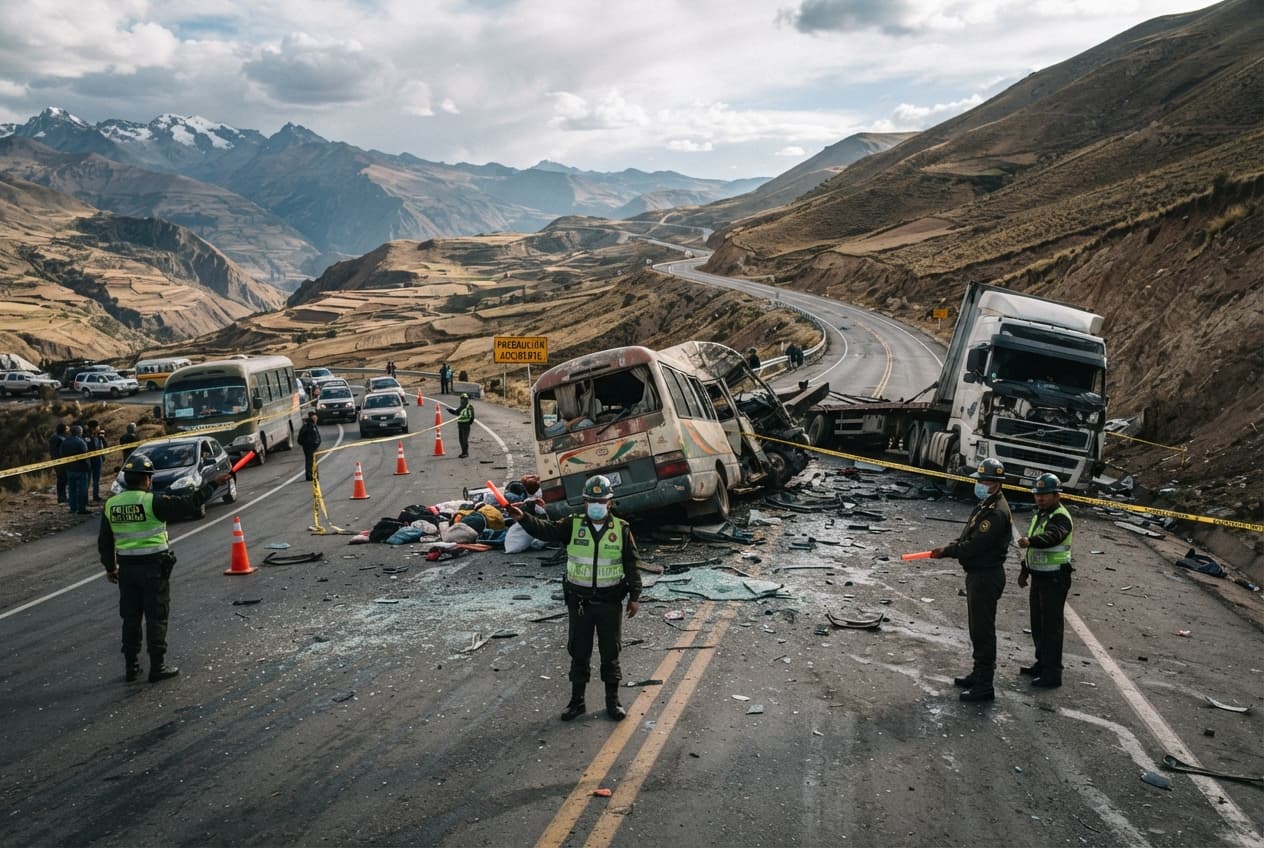
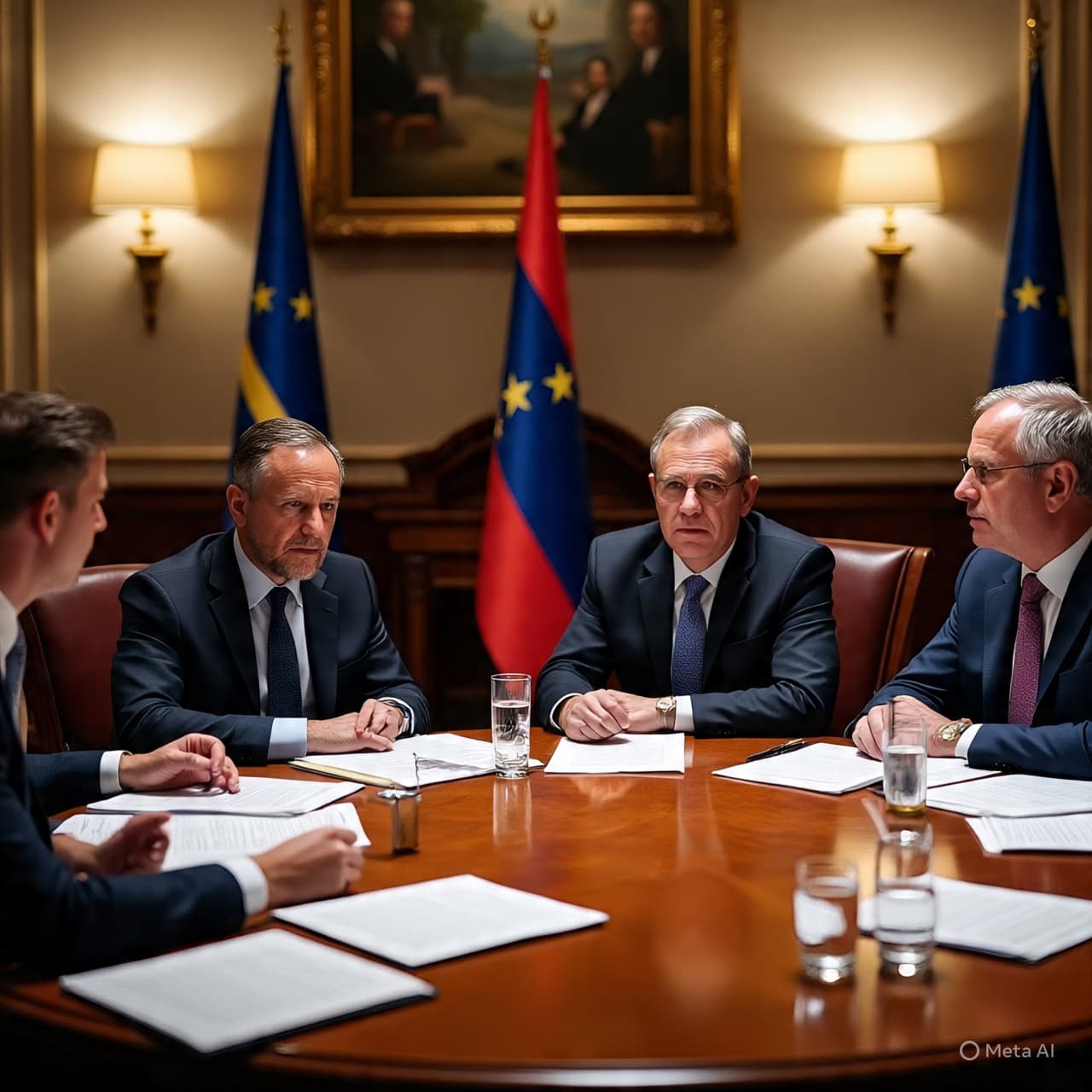
AI IMAGE DISCLAIMER Illustrations were produced with AI and serve as conceptual depictions.
Source List Reuters The Washington Post The Guardian Euronews EU World View
Published by Banx Network. This article is part of the Banx decentralized media programme, powered by the BXE token on the XRP Ledger.