There are days when markets feel more like open water than firm ground — a broad expanse where each wave seems to bring a new question, and every horizon is shaded with uncertainty. On Monday, such a day came to Wall Street, as the ebbs and flows of policy, technology, and investor sentiment converged to unsettle even seasoned traders.
By the closing bell, the Dow Jones Industrial Average logged its worst session in a month, tumbling sharply as investors wrestled with renewed doubts about global trade policy and the risks linked to rapid advances in artificial intelligence. The broader market reflected that anxiety: both the S&P 500 and the Nasdaq Composite ended lower, echoing a mood of caution that spread from New York’s financial districts to global markets.
In recent weeks, discussions about tariffs — long a contentious issue in international commerce — resurfaced with fresh intensity. After the U.S. Supreme Court struck down a sweeping previous tariff initiative, President Donald Trump responded by announcing a new 15 % global tariff on imports under emergency trade powers, a move that caught many investors off balance. With the details still unfolding and global trading partners seeking clarity on the impact, traders reacted by reducing exposure to riskier assets.
At the same time, technology sectors — once the engines of equity market gains — came under pressure for reasons both familiar and growing. Fears that artificial intelligence, so long championed as a driver of future growth, could also disrupt sectors faster than anticipated contributed to broader sell‑offs in software and cybersecurity stocks. Companies such as CrowdStrike and Zscaler saw steep declines, reflecting a shift in sentiment toward the very technologies that had recently propelled indices upward.
Market behavior often mirrors the psychology of its participants, and on this day that psychology leaned toward caution. As the Dow dipped by more than 800 points, traders rotated into traditional safe havens such as gold, which rose modestly as uncertainty mounted. Other assets sensitive to risk appetite — including Bitcoin — also slipped on mounting pressure from policy and technology concerns.
Not all areas of equity markets felt the plunge equally. Sectors like healthcare and consumer staples held up relatively better, suggesting that investors were not abandoning equities altogether but were instead reassessing where they saw stable prospects amid uncertainty. This kind of sector rotation is common in unsettled trading sessions, where traditional defensive plays come into focus.
A broader context for the day’s movement lies in the wider tapestry of economic policy and corporate earnings. While tariff policy remains a thorny topic, most S&P 500 companies that have reported earnings so far continue to show growth that exceeds market expectations. Yet even positive fundamentals can be overshadowed in the short term by waves of uncertainty — especially when they intersect with questions about the direction of trade, technology disruption, and global growth.
In the gentle quiet after the session’s close, commentators described the day not as a crisis but as a moment of market recalibration — a reminder that stocks, like any instrument of value, are shaped as much by sentiment as by earnings and economic data. As investors digest the signals from tariffs, AI discourse, and corporate reports, the broader story of this market saga continues to unfold.
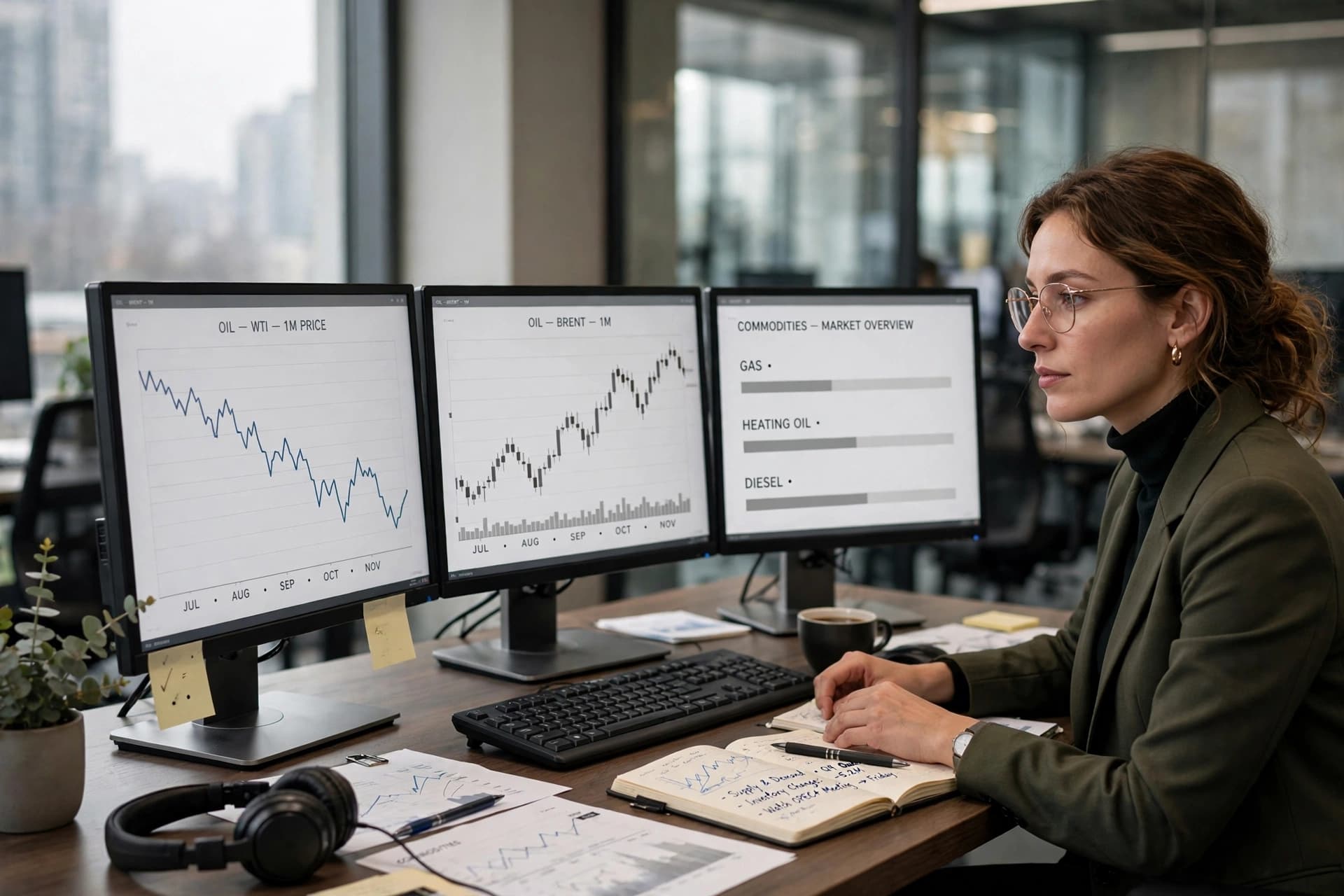
AI Image Disclaimer “Graphics are AI‑generated and intended for representation, not reality.”
Sources Reuters; Associated Press; Business Insider; Yahoo Finance; Barron’s.
Published by Banx Network. This article is part of the Banx decentralized media programme, powered by the BXE token on the XRP Ledger.