Key Highlights
- Wall Street adopts a 'haven-first' strategy amid geopolitical tensions.
- Increased demand for U.S. Treasuries and gold reflects market caution.
- Energy markets remain central to investor calculations.
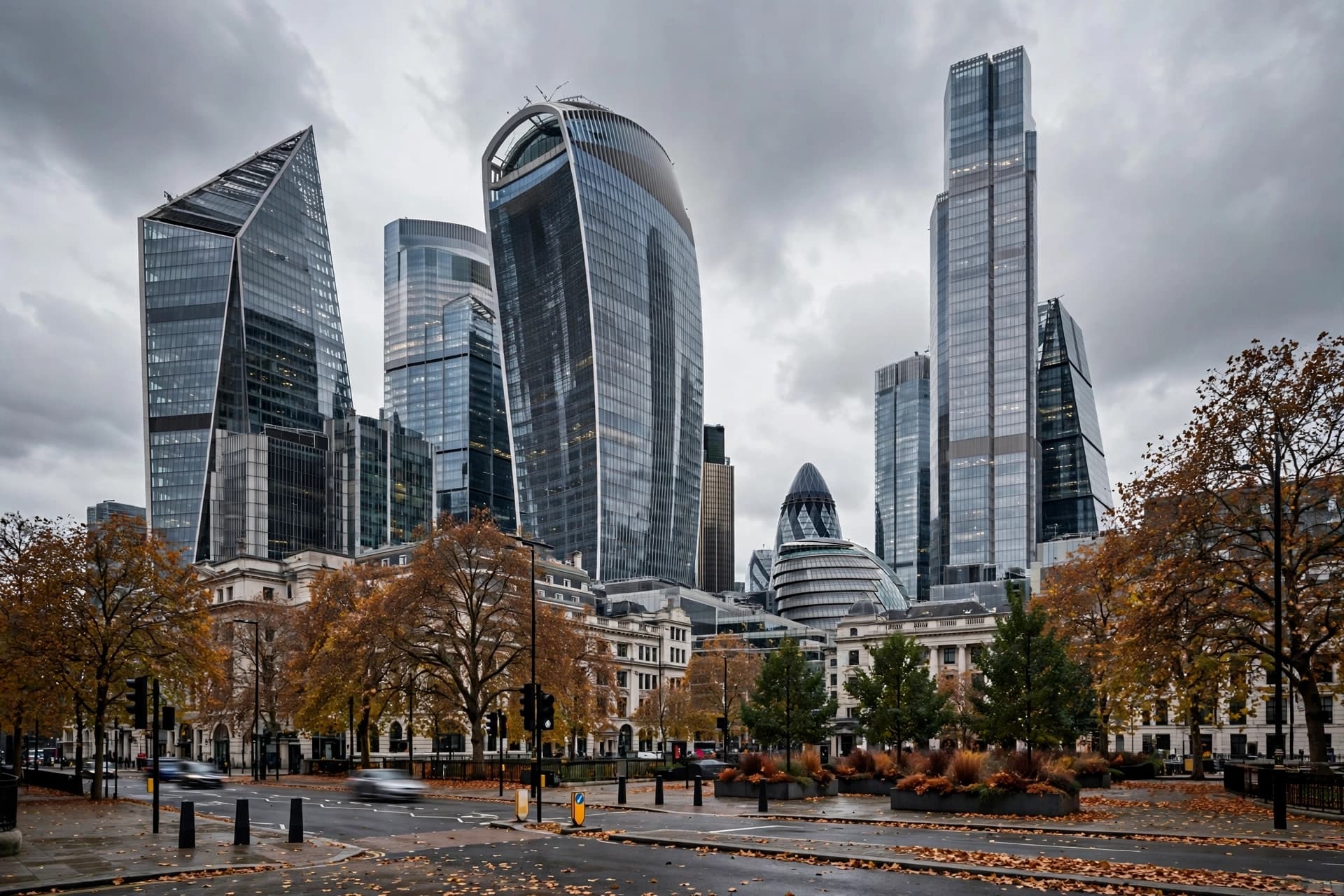
As the sun rises over Lower Manhattan, the financial district appears calm, yet beneath the surface, Wall Street is experiencing a significant shift. This week, as tensions surrounding Iran escalated, traders recalibrated their strategies, adopting a 'haven-first' approach. This term reflects a growing preference for safe assets during periods of geopolitical uncertainty, indicating a cautious mood among investors.
In practical terms, this shift has manifested in renewed demand for U.S. Treasuries, which are traditionally viewed as a safe haven during turbulent times. The U.S. dollar has also seen upward pressure, while gold prices have firmed as investors seek stability. Conversely, equity markets have displayed signs of caution, particularly in sectors sensitive to global growth and energy prices. Oil benchmarks have reacted sharply to fears of potential disruptions in supply routes linked to the Middle East, highlighting how quickly geopolitical events can influence inflation expectations and monetary policy.
Historically, during times of heightened geopolitical strain, the instinct among investors is to prioritize preservation over risk. While risk assets may yield higher returns in stable environments, uncertainty often leads to a flight to liquidity and reliability. The U.S. Treasury market, with its depth and global integration, frequently serves as an anchor in such scenarios. Gold, being independent of corporate earnings or sovereign credit, regains its status as a reliable store of value. As global capital seeks refuge, the dollar strengthens, reflecting a preference for stability.
Market analysts emphasize that this 'haven-first' approach does not necessarily indicate panic. Instead, it represents a strategic pause, allowing investors to await clarity before re-engaging with riskier assets. Energy markets play a crucial role in this calculation, as any sustained disruption in oil flows could have widespread implications for transport costs, consumer prices, and central bank decisions. For investors already navigating a complex interest-rate landscape, the added layer of geopolitical volatility necessitates a more cautious stance.
Financial markets are inherently forward-looking, and a diplomatic breakthrough or de-escalation could quickly reverse the current defensive positioning. Historically, equity markets have rebounded sharply once uncertainty dissipates. Thus, the present shift in strategy is less about a definitive verdict and more about hedging against potential risks while awaiting further developments.
The concept of 'haven-first' encapsulates a fundamental principle of global finance: capital seeks the lowest point of risk when faced with uncertainty. In moments when headlines carry more weight than forecasts, preservation becomes a key strategy for investors.
As the trading day unfolds, market indicators present mixed signals: rising bond prices, steady gold, and cautious equities. Meanwhile, the daily rhythm of the financial district continues unabated. However, portfolios worldwide are subtly adjusting toward safer allocations, underscoring a simple truth in the markets: when uncertainty looms, safety often takes precedence over speculation.
Published by Banx Network. This article is part of the Banx decentralized media programme, powered by the BXE token on the XRP Ledger.