
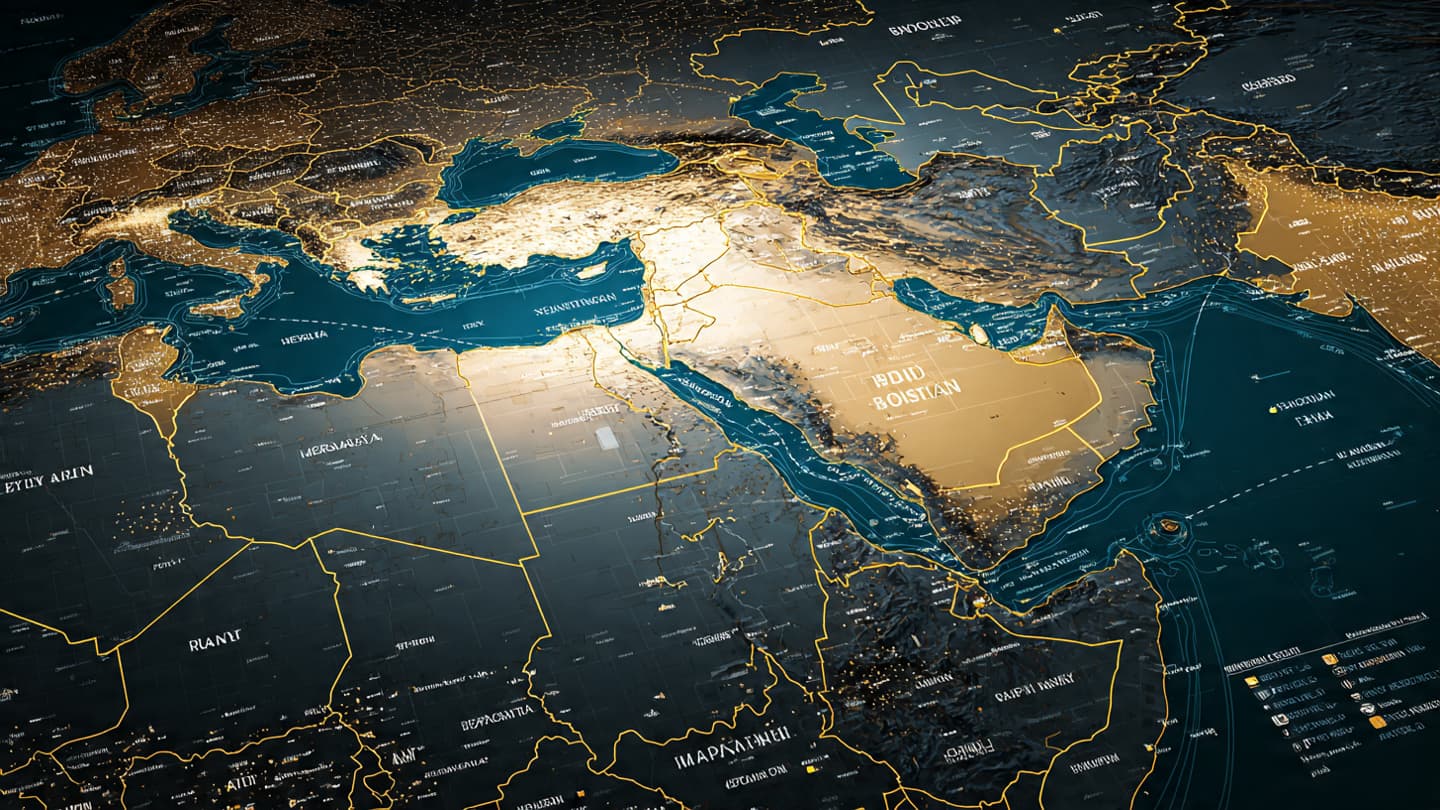
The Middle East has often been described as a region where history and geography meet with extraordinary intensity. Events unfold against a backdrop of longstanding rivalries, strategic interests, and deep political complexities. Recent tensions involving Israel and Iran have once again drawn international attention, prompting renewed diplomatic activity from the United States and its partners.
As reports of military actions and heightened security alerts emerged, governments across the world began closely monitoring developments. The concern extends beyond the immediate participants. Any escalation between Israel and Iran carries implications for regional stability, energy markets, international trade routes, and broader geopolitical relationships.
For the United States, the situation presents a delicate diplomatic challenge. Washington maintains longstanding relationships throughout the region while also seeking to prevent wider conflict. Balancing those objectives requires careful engagement with allies, partners, and international institutions.
American officials have emphasized the importance of restraint during this period of uncertainty. Diplomatic channels remain active as efforts continue to reduce misunderstandings and discourage actions that could trigger broader confrontation. Such initiatives often occur away from public attention, yet they represent a significant component of crisis management.
Regional governments are also evaluating the implications of rising tensions. Neighboring countries understand that instability can spread beyond borders, affecting economic activity, investment confidence, and security conditions. As a result, many leaders have expressed support for diplomatic solutions and de-escalation efforts.
Energy markets have responded cautiously to developments. Investors and analysts recognize the strategic importance of the Middle East in global energy supply chains. Even limited disruptions or heightened uncertainty can influence pricing expectations and broader economic sentiment.
Observers note that diplomacy during periods of tension often involves multiple layers of communication. Public statements may convey one message while private discussions focus on practical measures designed to reduce risks. Success is not always visible immediately, but sustained dialogue can help prevent situations from deteriorating further.
The current environment also highlights the interconnected nature of modern international relations. A regional dispute can quickly attract global attention because of its potential effects on trade, security partnerships, and economic stability. Governments therefore view developments through both local and international lenses.
While uncertainty remains, diplomatic engagement continues. Officials from various countries remain in contact, seeking ways to encourage stability and prevent escalation. The process may be gradual, but many believe that communication remains essential during moments of heightened tension.
As events continue unfolding, the world watches closely. The coming weeks may reveal whether diplomacy can create space for de-escalation in a region where challenges often emerge faster than solutions. For now, international efforts remain focused on preventing a broader crisis and preserving regional stability.
AI Image Disclaimer
Illustrations were produced with AI and serve as conceptual depictions.
Sources
Reuters, Associated Press, BBC, The Guardian, Al Jazeera
Note: This article was published on BanxChange.com and is powered by the BXE Token on the XRP Ledger. For the latest articles and news, please visit BanxChange.com