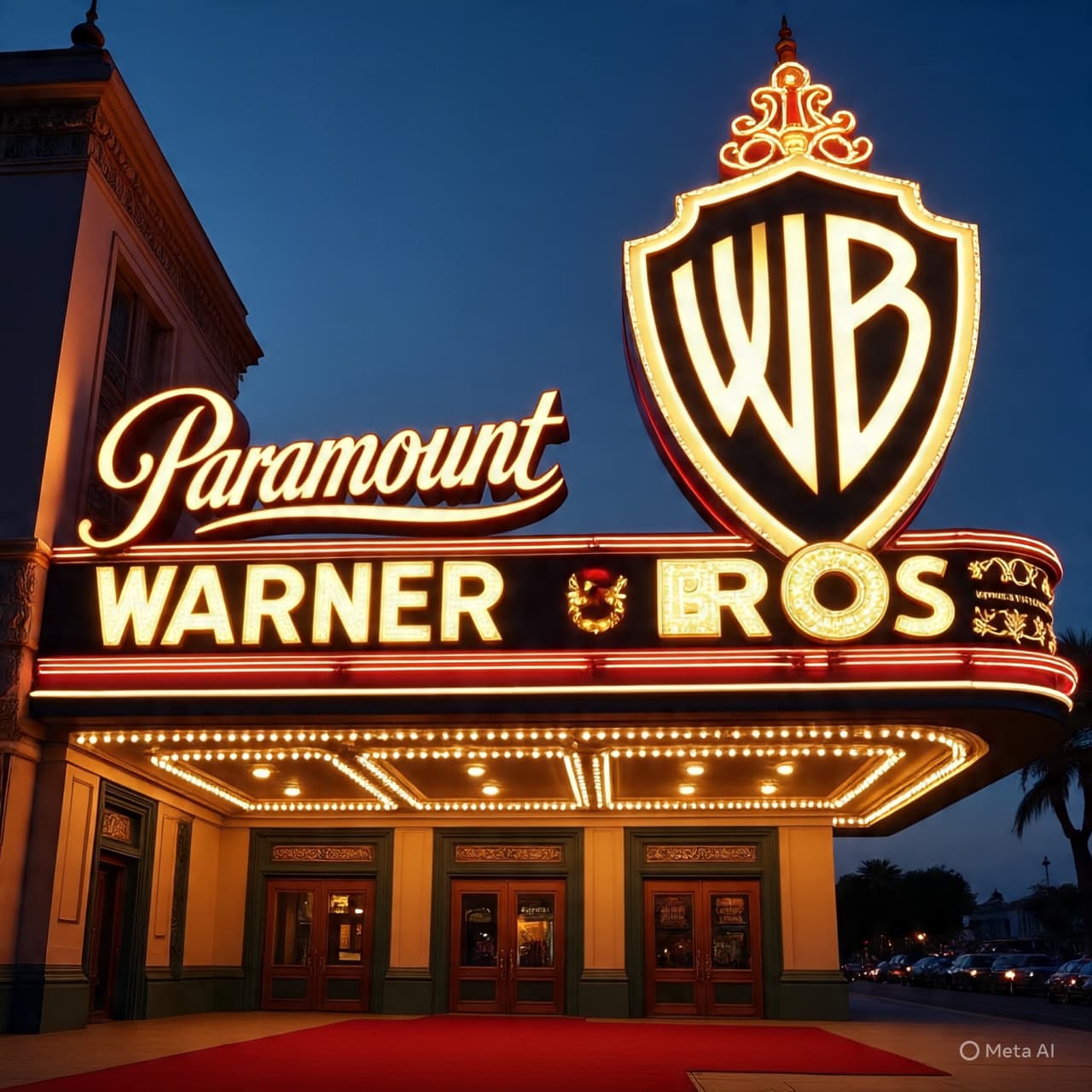
In the early chapters of cinema’s long history, studios felt like constellations fixed across the Hollywood sky — each name a beacon to audiences, creators and storytellers alike. Warner Bros. and Paramount stood among the brightest: one known for groundbreaking storytelling across generations, the other a resilient originator of classics and franchises. Today, news that Paramount Skydance has agreed to acquire Warner Bros. Discovery — in a deal valued around $110 billion — invites a moment of reflection about how movies will be made, shared and cherished in years to come.
For decades, Warner Bros. built its reputation on a blend of artistic breadth and commercial success, from Oscar‑nominated films to blockbuster franchises that defined eras. Paramount, while historically influential itself, has recently produced a narrower slate of theatrical fare and leaned on its streaming platform, Paramount+, to compete in a shifting media landscape. Combining these legacies under one company both celebrates Hollywood’s heritage and acknowledges the new economics of global entertainment.
Within creative circles, some see this consolidation as an opportunity. Paramount leaders have spoken of expanding the annual movie slate far beyond their previous output, aiming for a volume that could sustain audiences and theaters worldwide — potentially more than 30 films a year — and preserving legacy brands while exploring fresh stories. Such ambition reflects a belief that larger scale can support both commercial success and creative investment.
Yet there is also a gentle undercurrent of concern — not in shrill tones, but as a shared consideration among filmmakers, theater owners and fans. Similar mergers in recent years have sometimes led to reduced diversity in the kinds of films that reach screens, with streamlined slates favoring franchise tentpoles over the smaller, risk‑taking projects that often push art forward. If studios become fewer and larger, might some voices feel quieter? This question lingers even amid optimism about bigger budgets and wider global reach.
Cinema owners, for example, have expressed circumspection about consolidation. While a stronger combined studio might mean more high‑profile films for big screens, the shadow of past media mergers suggests that sheer scale does not always translate to more choices for moviegoers. In the post‑pandemic era, theaters are still recovering, and any shift that channels more viewing toward streaming — even indirectly — could change how audiences experience films.
For audiences, the landscape ahead promises both familiarity and transformation. The merged entity will control a vast library of stories — from superhero epics and beloved franchises to classics that have shaped generations — and will likely wield significant influence over what films command global attention. Yet with regulatory reviews ahead and debates around creative diversity and competition ongoing, the narrative of what this merger truly means is still being written.
In straightforward news terms, Paramount Skydance and Warner Bros. Discovery have reached an agreement under which Paramount will acquire Warner Bros., creating a combined media company expected to significantly reshape the structure of Hollywood studios; the deal, worth about $110 billion including debt, is subject to regulatory approval.
AI Image Disclaimer “Illustrations were produced with AI and serve as conceptual depictions.”
Sources (media names only) Reuters ABC News IndieWire Malay Mail The Wrap
Published by Banx Network. This article is part of the Banx decentralized media programme, powered by the BXE token on the XRP Ledger.