
Key Highlights
- Israel plans to initiate direct talks with Lebanon amid ongoing military actions against Hezbollah.
- The dual approach reflects the complex geopolitical landscape of the region.
- Hezbollah's alignment with Iran complicates the dynamics of the Israel-Lebanon relationship.
Israel's recent announcement to open direct talks with Lebanon, while simultaneously conducting military operations against Hezbollah, underscores the intricate and often contradictory nature of Middle Eastern geopolitics. This dual approach highlights the urgent need for dialogue amidst ongoing tensions, suggesting that both military and diplomatic strategies can coexist, albeit in a delicate balance.
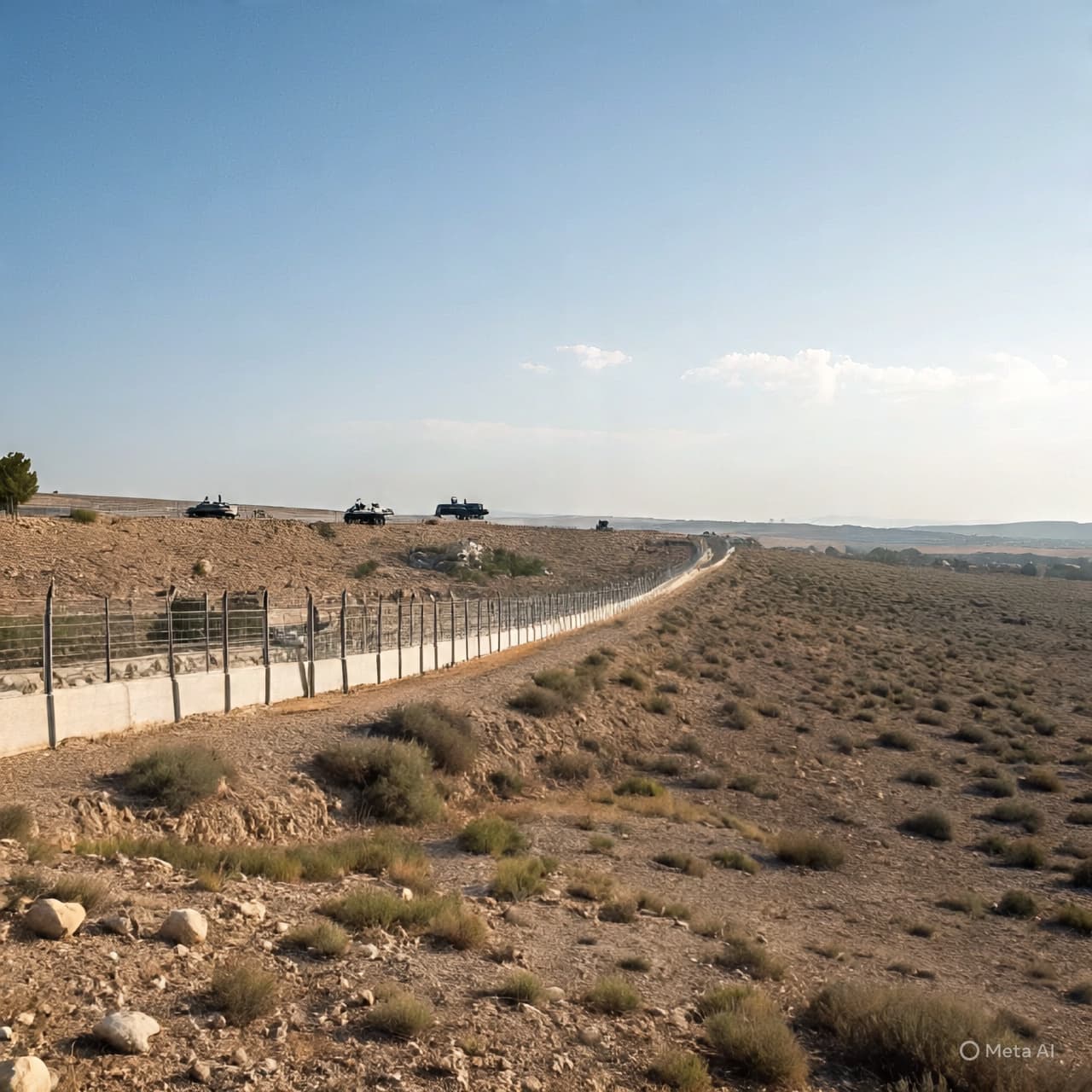
The Israel-Lebanon border has long been a flashpoint of conflict, shaped by a history of hostility and the presence of armed groups like Hezbollah. The current situation is not merely a series of isolated incidents but rather a continuous state of tension that requires both immediate and long-term responses. Israel's decision to engage in direct talks indicates a recognition of the need to address these complexities head-on, even as it maintains its military posture against perceived threats from Hezbollah.
Hezbollah's role in this equation cannot be understated. The group operates within Lebanon but is also deeply intertwined with regional dynamics, particularly its ties to Iran. This connection means that any Israeli military action against Hezbollah reverberates beyond the immediate conflict, influencing broader regional stability. As such, Israel's military operations are not just tactical maneuvers but also strategic signals to both Hezbollah and its allies.
The prospect of direct talks between Israel and Lebanon carries significant implications. While the details of these discussions remain unclear, the willingness to engage suggests a potential shift towards more open communication channels. This is particularly important in a region where misunderstandings can quickly escalate into violence. The acknowledgment that dialogue is necessary, even in the face of ongoing conflict, reflects a pragmatic approach to managing tensions.
However, the continuation of military operations complicates this diplomatic overture. Each military strike introduces the risk of retaliation, which can spiral into further conflict. Thus, the challenge lies in ensuring that military actions do not undermine the potential for dialogue. Observers note that such dual-track approaches are common in complex conflicts, where the need for immediate security must be balanced with long-term diplomatic goals.
Lebanon's position in this dynamic is equally complex. As a nation grappling with its internal challenges, including political instability and economic hardship, its response to Israel's overtures will be influenced by a variety of factors. The outcome of these potential talks is not predetermined; it will depend on the evolving political landscape within Lebanon and the broader regional context.
In conclusion, the decision to pursue dialogue while maintaining military operations reflects a nuanced understanding of the challenges at play. It acknowledges that silence is not a viable option in the face of complexity. As both nations navigate this precarious situation, the hope remains that dialogue can pave the way for a more stable future, even if the path forward remains uncertain.
Published by Banx Network. This article is part of the Banx decentralized media programme, powered by the BXE token on the XRP Ledger.



